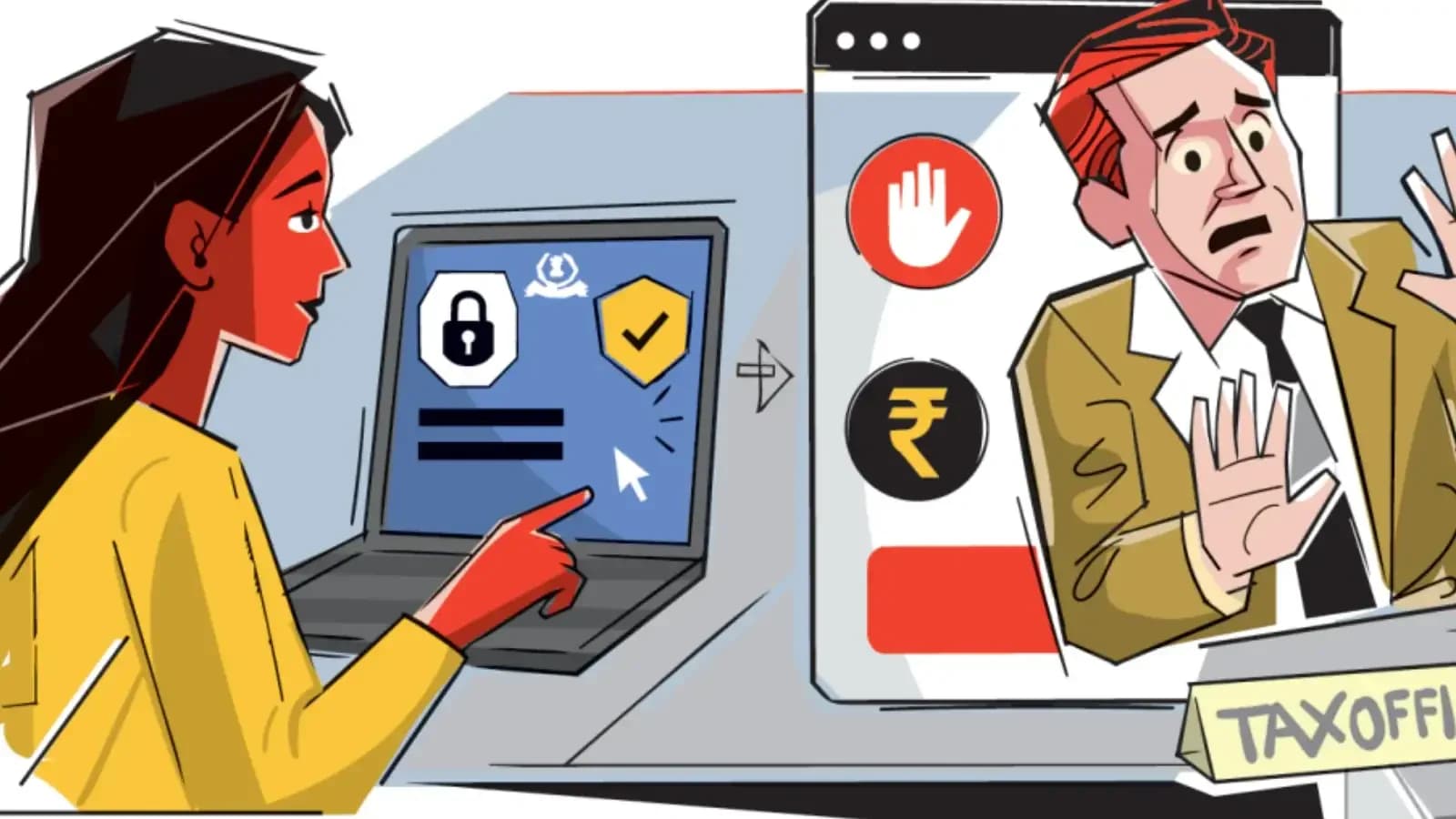
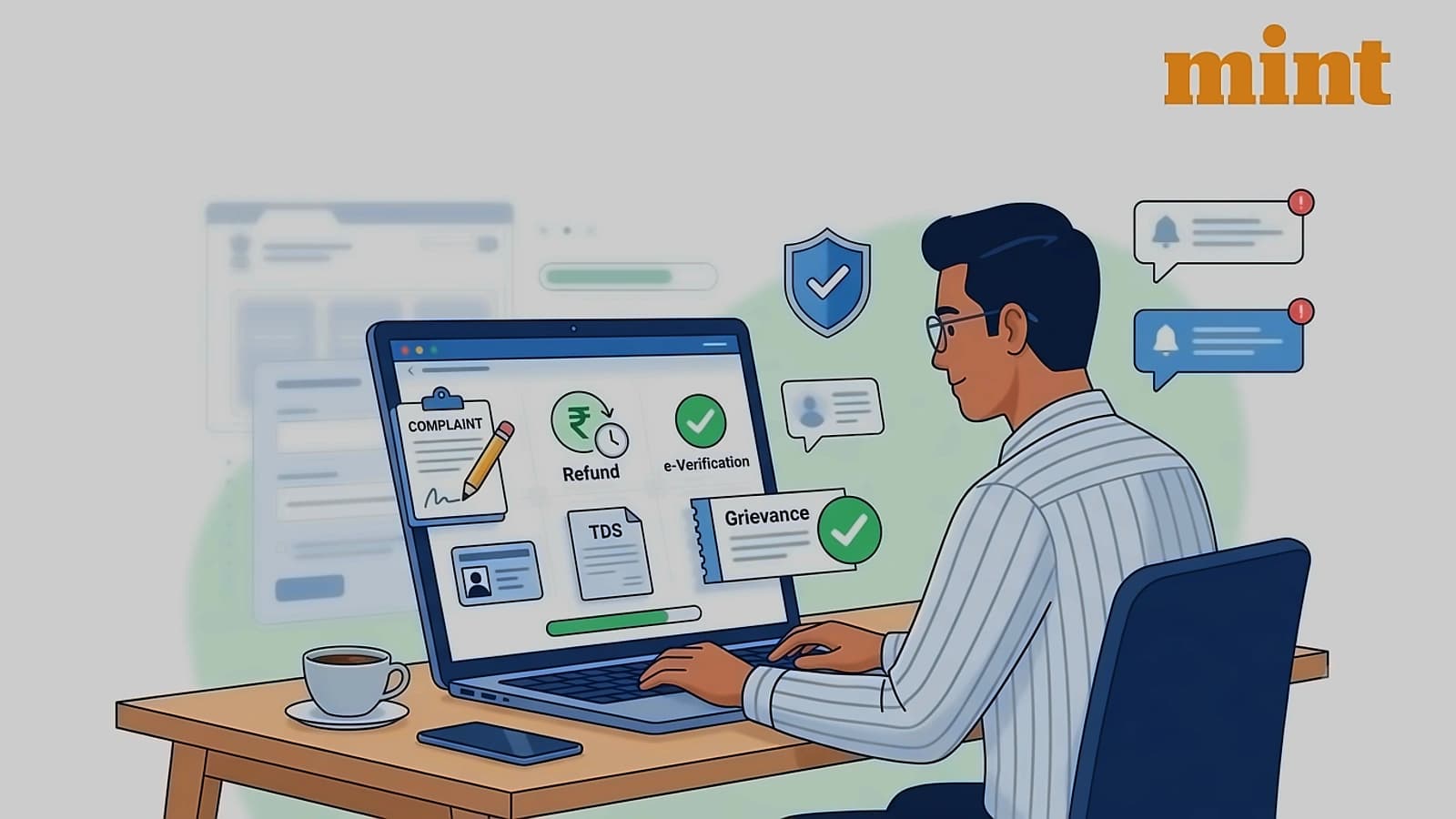
The Income Tax portal has introduced a dedicated tab enabling taxpayers to file complaints against officers for sexual harassment or bribery. According to The Economic Times, this digital channel offers a secure and confidential reporting mechanism that was previously unavailable through standard online channels. The system allows taxpayers to log in using their username and password, navigate to the 'Grievances' section, and select 'Submit Grievance' to access categories including 'Corruption' and 'Misbehaviour/Harassment/Sexual Harassment'. As reported by The Economic Times, this development addresses long-standing concerns about lack of digital reporting mechanisms for tax office misconduct, with the previous CPGRAMS or Centralised Public Grievance Redress and Monitoring System serving as the government's flagship digital grievance redressal platform.
As reported by The Economic Times, chartered accountant Ashish Karundia emphasized that the success of this initiative depends on effective execution and oversight. The real challenge lies not in digital filing but in how complaints are handled after submission. Karundia stressed the importance of complete clarity on who can access complaint information, particularly whether the officer complained against can access any part of the submission, and ensuring sufficient safeguards to prevent complainants from being victimized. According to The Economic Times, since the e-filing ecosystem contains highly sensitive financial and personal information, there should be complete clarity on who can access the complaint and the information submitted with it, particularly whether the officer complained against can access any part of it.
According to Priyanka Sinha, partner at law firm A&P Partners, as reported by The Economic Times, the true value of this grievance system will be determined by execution factors including who conducts inquiries, how promptly they are carried out, and whether complainants are protected from future assessment impacts. Sinha noted that in the absence of robust confidentiality safeguards, an independent oversight body separate from the department should be established to build taxpayer trust in the process. As reported by The Economic Times, many taxpayers may hesitate to place full trust in the process without such independent oversight, making it crucial for the system's success.
According to Rahul Garg, managing partner at Asire Consulting, as reported by The Economic Times, the new system represents a significant shift in tax administration power dynamics. "For years, an honest taxpayer had no secure route other than approaching the erring officer's superior who could choose to look the other way or navigate through the CVO's office. Embedding a channel into the e-filing portal collapses that distance. If the government now administers it centrally, similar to CPGRAMS, with the complainant's identity protected and every complaint given a tracking number and a time-bound resolution through some central division, it may do something rare in tax administration: shift a little power back to the ordinary assessee," Garg explained. This development addresses long-standing concerns about lack of digital reporting mechanisms for tax office misconduct, with the portal now allowing taxpayers to report misconduct through a dedicated complaint system that offers secure and confidential reporting mechanisms.