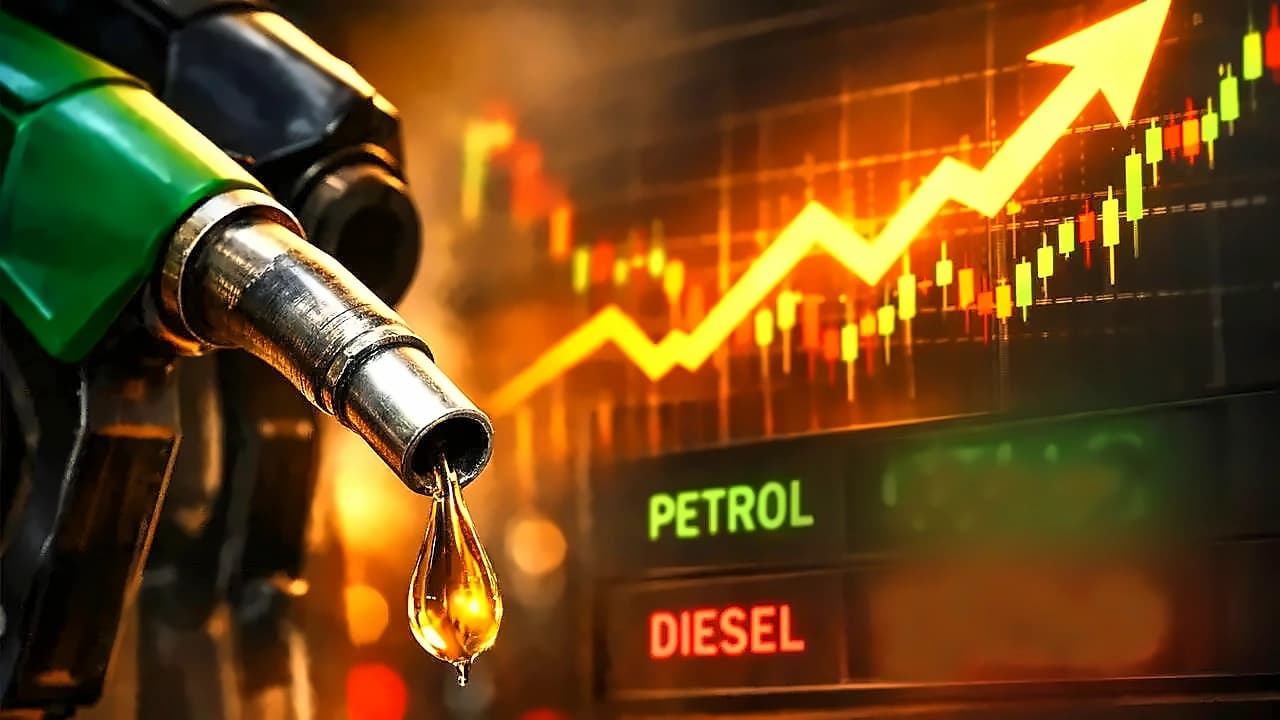
According to The Times of India, fuel prices have increased by approximately ₹5 per litre, but this represents only a small portion of the actual under-recovery faced by oil companies. The companies are currently losing ₹13 per litre on petrol and ₹38 per litre on diesel without factoring in taxes, creating significant financial pressure on the sector. As per The Times of India, this latest increase marks the third rise in fuel prices within less than 10 days, with petrol now crossing ₹100 per litre amid continuing volatility in global energy markets. The current central excise duty on petrol stands at ₹32.90 per litre, which accounts for a significant portion of the retail price, while petroleum product taxes frequently make up more than 50% of the retail price.
As reported by The Times of India, state VAT rates vary significantly across India, with some states imposing taxes as high as 30%. While states with the lowest VAT rates impose around 20% tax, others exceed this threshold through layered per-litre additions and infrastructure cesses. The Centre has already reduced excise duties, but the burden has shifted to consumers who are paying more to compensate for the reduced excise revenue. According to The Times of India, states with the highest pump prices include Tamil Nadu, Kerala and West Bengal, which maintain among the highest fuel taxes. Maharashtra is known for having a high VAT rate, which raises retail gas prices, while India consumed about 220 million metric tonnes of gasoline in 2023, demonstrating the country's high fuel demand. Petrol prices change daily at 6:00 AM under India's dynamic pricing model since June 2017, with Oil Marketing Companies (OMCs) modifying retail prices based on global crude oil prices and exchange rates.
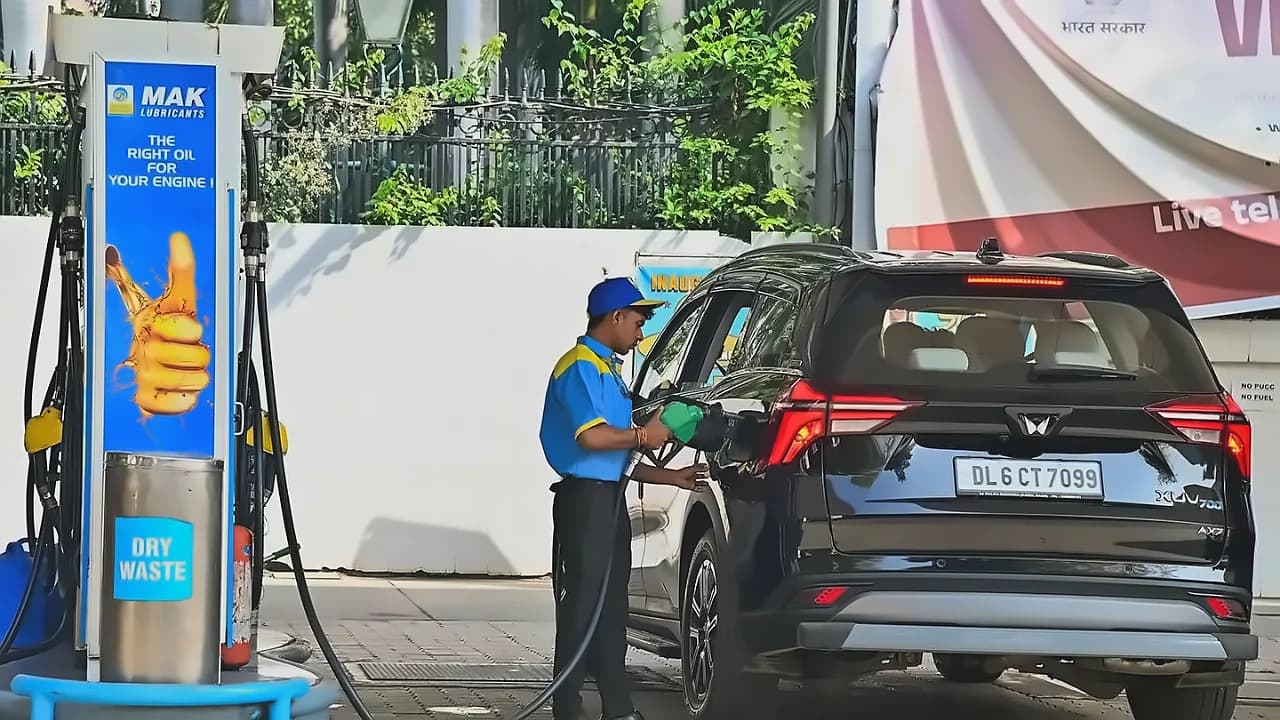
Senior Congress leader Ashok Gehlot has called on the Rajasthan government to immediately reduce VAT on petrol and diesel, along with road cess, to protect citizens from severe inflation. Speaking on Saturday, Gehlot accused the BJP-led government of benefiting from increased fuel prices while exploiting hardship faced by ordinary people. As per The Times of India, Gehlot noted that rising fuel costs boost the state's VAT revenue, stating that 'the Rajasthan government is benefiting from the rising prices of petrol-diesel; the BJP government should reduce its VAT to provide relief to the common people.' He emphasized that VAT remains much higher compared to neighbouring states Haryana and Gujarat, calling on the state government to forgo profits in the interest of common people.
Congress President Mallikarjun Kharge launched a strong attack on the BJP-led Central government, accusing it of 'looting the public's earnings in installments' following the latest fuel price hikes. Kharge provided examples of international governments that took action to support consumers during the recent West Asia energy crisis, noting that while the war disrupted maritime trade routes through the Strait of Hormuz, other countries provided relief to their citizens. As per The Times of India, Kharge cited examples including Italy cutting excise on fuel, Australia reducing excise duty by about ₹17 per litre, Germany lowering taxes on oil by ₹17-₹19 per litre, the UK providing £100 in oil aid, and Ireland's EUR250 million relief package that brought petrol prices down by about EUR0.15/liter and diesel by EUR0.20/liter. The government has also introduced a windfall gains tax of ₹3 per litre on petrol exports, with levies on diesel exports now at ₹16.5 per litre and aviation turbine fuel at ₹16 per litre, effective from May 16.