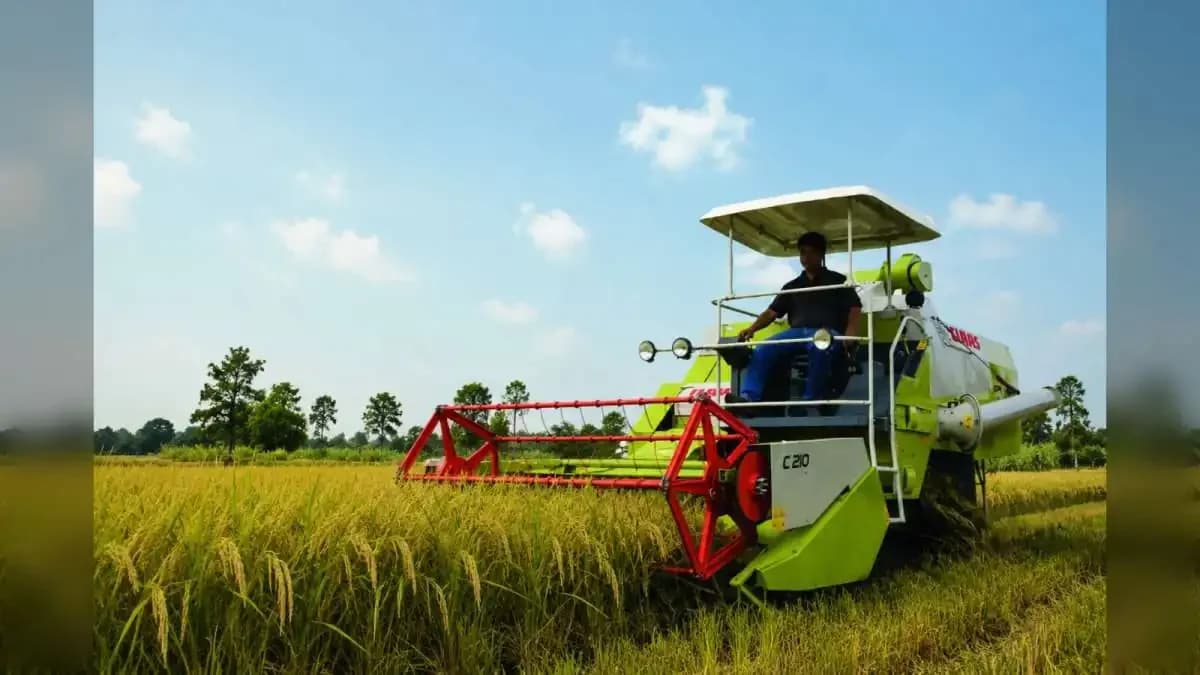
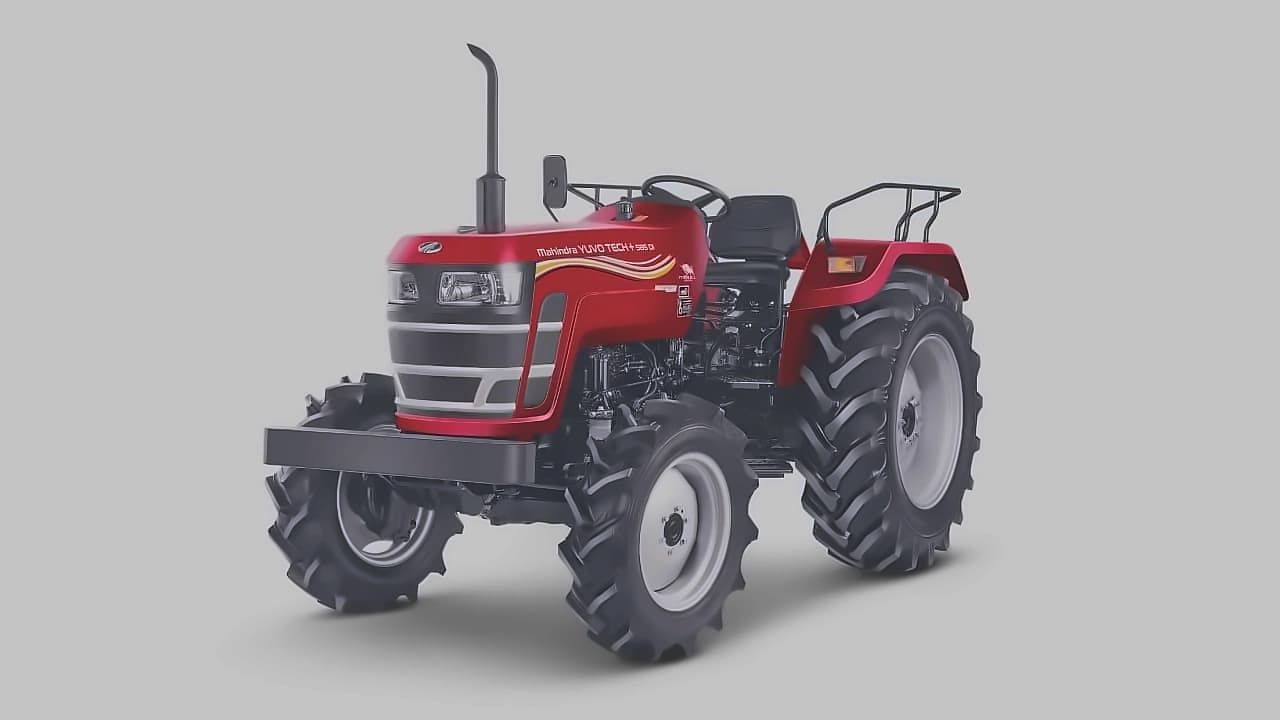
The government's Sub-Mission on Agricultural Mechanization (SMAM) has demonstrated significant progress in expanding agricultural mechanization access across India. According to reports from Business Standard, the scheme has provided central assistance of ₹9,404.47 crore from 2014-15 to 2025-26, supporting the distribution of 21.61 lakh machines to individual farmers nationwide. The program has established 27,554 Custom Hiring Centers, 646 Hi-tech Hubs, and 25,608 Farm Machinery Banks to enhance agricultural infrastructure.
The scheme has shown substantial growth in beneficiary coverage, with individual farm machinery ownership beneficiaries increasing from 2.07 lakh in 2020-21 to 2.32 lakh in 2024-25. As reported by Business Standard, SMAM has placed special emphasis on underserved and North-Eastern States to address regional disparities in access to farm machinery and technology. The program specifically targets small farmers, women, and disadvantaged groups through its mechanization support framework, with special focus on regions with low farm power availability and addressing structural constraints such as small landholdings and high capital costs through affordable rental services via Custom Hiring Centers.
Beyond direct machinery distribution, SMAM has established comprehensive agricultural infrastructure across the country. According to the report, the scheme promotes the establishment of Custom Hiring Centers (CHCs) - units comprising a set of farm machinery, implements, and equipment meant for hiring by farmers. SMAM supports the development of hubs for hi-tech and high-value agricultural equipment, and the distribution of farm machinery, while undertaking awareness generation through demonstrations and capacity-building initiatives. The program also supports the performance testing and certification of agricultural machinery and conducts Targeted Information, Education, and Communication (IEC) activities to enhance adoption among stakeholders.
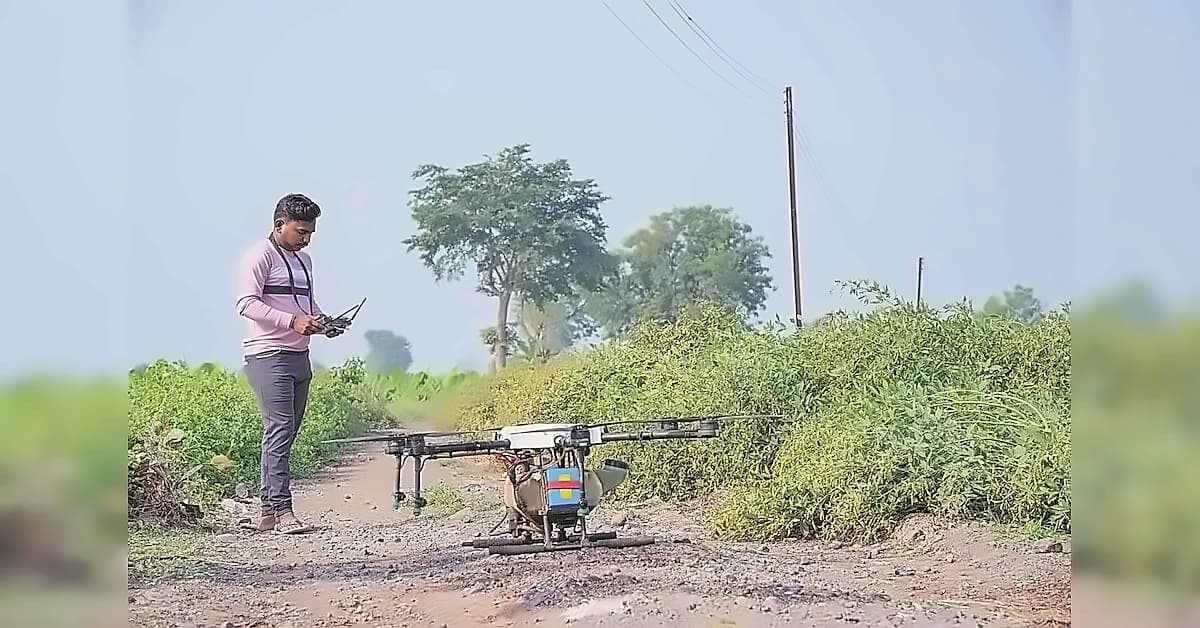
SMAM has significantly expanded precision agriculture adoption through drone demonstrations covering 40,918 hectares with ₹52.50 crore financial support. As reported by Business Standard, the Indian Council of Agricultural Research (ICAR) has promoted drone adoption through large-scale field demonstrations across the country, focusing on nutrient application, fertilizer distribution, and agro-chemical application according to prescribed standard operating procedures. The scheme provides 100 percent financial support of up to ₹10 lakh per drone for eligible institutions like ICAR institutes, KVKs, and State Agricultural Universities, while Farmer-Producer Organizations (FPOs) receive grant support of up to 75 percent and agencies using drones through service models get ₹6,000 per hectare contingency expenditure.