Tractor retail registrations demonstrated remarkable resilience during April-July 2026, rising 24.77% year-on-year to 386,648 units compared to 309,896 units in the corresponding period last year, according to data from the Federation of Automobile Dealers Associations (FADA). This growth occurred despite concerns over a below-normal southwest monsoon and El Niño conditions, which would ordinarily be expected to weigh on farm incomes and purchases of agricultural equipment. The India Meteorological Department (IMD) had initially forecast the 2026 southwest monsoon at 92% of the long-period average in April before lowering its forecast to 90% in May. However, tractor makers noted that agricultural conditions in important farming regions have been better than the headline national rainfall numbers suggest.
The agricultural equipment sector is experiencing a fundamental shift toward climate-resilient technologies as farmers face rising temperatures, droughts, and changing rainfall patterns. Major companies including John Deere, Mahindra & Mahindra, AGCO, CNH Industrial, and Bayer are developing precision agriculture solutions, smart irrigation systems, and sustainable farming practices to help farmers improve productivity while using resources more efficiently. According to industry reports, demand is increasing for climate-resilient seeds, smart irrigation technologies, precision agriculture, soil carbon management, and sustainable farming practices. The Asia Pacific region offers strong growth opportunities due to rising climate risks and agricultural demand, while North America benefits from advanced farming technologies and higher investment in climate-smart agriculture.
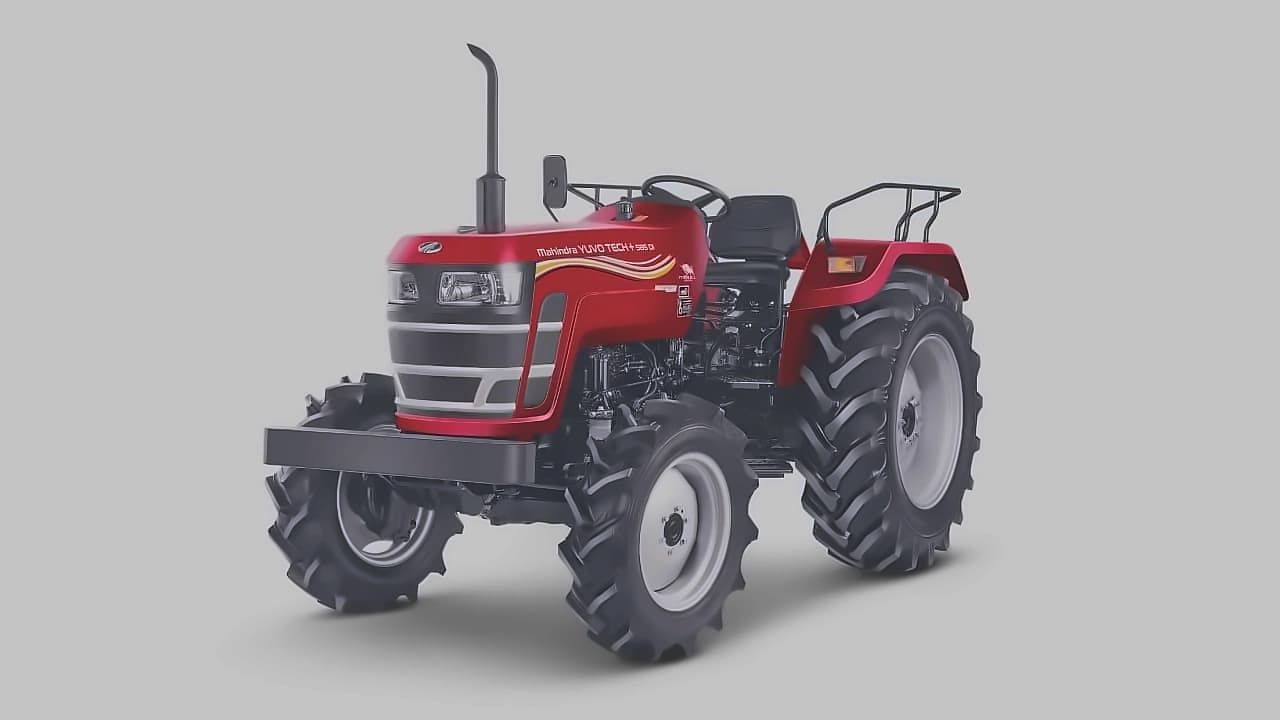
A structural shift in India's rural labour market is emerging as the primary driver of tractor demand growth. Farm workers are increasingly moving away from agriculture towards urban employment across logistics, gig work, quick commerce, co-living and other services. As reported by industry executives, workers who would earlier have depended on farm employment are finding alternative sources of income that provide employment for longer periods during the year. This trend is reducing labour availability for agricultural operations and increasing the need for tractors and other farm equipment. A TAFE spokesperson noted that despite steady cash flows and favourable policy frameworks, farmers continue to face persistent labour shortage which accelerates the fundamental need for farm mechanisation.
The mechanisation trend is expanding beyond traditionally saturated northern territories into growing markets across southern and eastern regions. According to Veejay Nakra, president of farm equipment business at Mahindra & Mahindra (M&M), the company recorded strong domestic volume growth during April-July. M&M, India's largest tractor manufacturer including its Swaraj brand, has benefited from significant recovery in rainfall, improved reservoir levels, accelerated kharif sowing aided by government support and healthy farm cashflows. The TAFE spokesperson highlighted that following an initial dry spell in June, monsoon's strong recovery revived kharif sowing to near last-year levels, with healthy reservoir storage across key agrarian states like Maharashtra, Gujarat, UP, MP and Punjab.