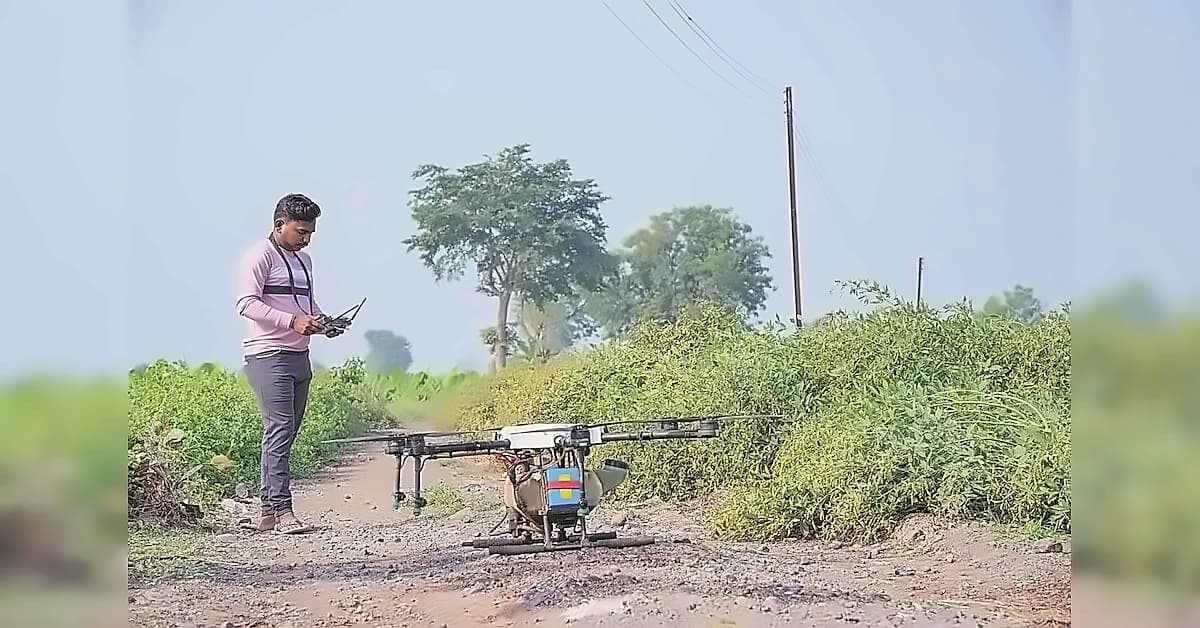
A precision-driven revolution is reshaping Indian agriculture, replacing heavy manual labour with technology-driven efficiency. According to reports from Business Standard, this transformation is powered by precision, artificial intelligence, and data-driven insights, with drones serving as the primary catalyst. The agricultural drone market is experiencing significant growth, with the global commercial drone market expanding at a 16-17% annual rate according to a PwC report. India's drone ecosystem now includes 38,500 registered drones and more than 39,890 certified pilots across 244 approved training organizations.
State governments are actively supporting this agricultural transformation through dedicated programs. As reported by Business Standard, Andhra Pradesh became the first state to allow farmers to book drone services online through its AP Drone Mart Portal, managed by the AP Drone Corporation in February. The Kisan Drone programme, initiated by the Indian Council of Agricultural Research and Indian Agricultural Research Institute in 2016, has provided crucial support to the agricultural sector. Additionally, the Namo Drone Didi programme has an outlay of ₹1,261 crore for FY24 to FY26 to provide 15,000 drones to women's SHGs.
Companies are developing comprehensive drone-as-a-service models that make agricultural technology accessible to farmers. According to Business Standard reports, Dhaksha Drones is integrating operations directly into a network of over 1,200 rural agri-retail stores run by its parent firm, Coromandel International. The company plans to station trained graduate drone pilots at each outlet to handle spraying and deliver comprehensive farm services. Marut Drones has 800 micro-entrepreneurs who purchased drones from the company, servicing approximately 2 million farmers annually with spending of ₹3,000-5,000 per year for various crop operations.
Drones offer significant operational advantages over traditional farming methods. As reported by Business Standard, an activity requiring eight hours of manual labour can be completed by drones in just 10 minutes. Drones also provide substantial water conservation benefits, slashing water consumption by 90% and using only 10 litres per acre compared to 100-200 litres required by conventional spraying methods. Despite these efficiency gains, drone rental costs remain affordable at ₹500-600 per acre.
Industry experts anticipate significant growth in the agricultural drone sector. According to Business Standard reports, Prem Kumar Vislawath, founder of Marut Drones, expects industry sales of around 500,000 drones within the next five years. The drone industry currently covers approximately 5% of total farmland in India, which represents a substantial opportunity given India's 444 million acres of agricultural land. The transformation aligns with India's goal to become a global drone manufacturing hub by 2030, which could boost gross domestic product by 1-1.5% and create at least 500,000 jobs.