The Central government increased retail prices of petrol and diesel for the first time in four years, with the hike effective from May 15. According to reports, petrol and diesel prices were increased by ₹3 per litre, while CNG prices rose by ₹2 per litre. Earlier, state-run oil companies such as Indian Oil Corporation, Bharat Petroleum Corporation Limited, and Hindustan Petroleum Corporation had increased rates of premium fuels but avoided raising regular retail prices. As reported, the companies were facing daily losses of nearly ₹1,600 crore as they continued purchasing crude oil at higher rates without passing the burden on to consumers.
Tamil Nadu Chief Minister C Joseph Vijay has strongly criticized the fuel price hike, demanding immediate withdrawal of the ₹3 increase in petrol and diesel prices. In a strongly worded letter to the Centre, Vijay accused oil companies of failing to reduce fuel prices when international crude oil rates fall, while continuing to make large profits. "When the price of crude oil in the international market falls, the oil companies do not reduce the prices of petrol and diesel accordingly. Instead, they only take the profit. This increase in the prices of petroleum products after the Assembly elections in five states is unacceptable," Vijay stated. Vijay warned that the fuel price rise would directly affect ordinary citizens, especially two-wheeler users and middle-class households already struggling with rising expenses, and cautioned that the increase would trigger a cascading effect on inflation, disproportionately affecting the state's poor and middle-class households.
The fuel price hike is creating significant economic ripple effects across multiple sectors, with higher CNG prices typically leading to higher auto fares and diesel prices raising overall transportation costs. As transportation costs rise, the impact filters through multiple sectors of the economy, including agriculture, which can push up food prices as well. According to Live Mint, the hike will worsen the already high middle-class debt trap, with families facing additional pressure on their fixed salaries. Even a small rise in fuel rates may impact financial planning, affecting EMIs, school fees, rent and medical expenses, forcing families to reduce outings, entertainment, or non-essential shopping to balance expenses.
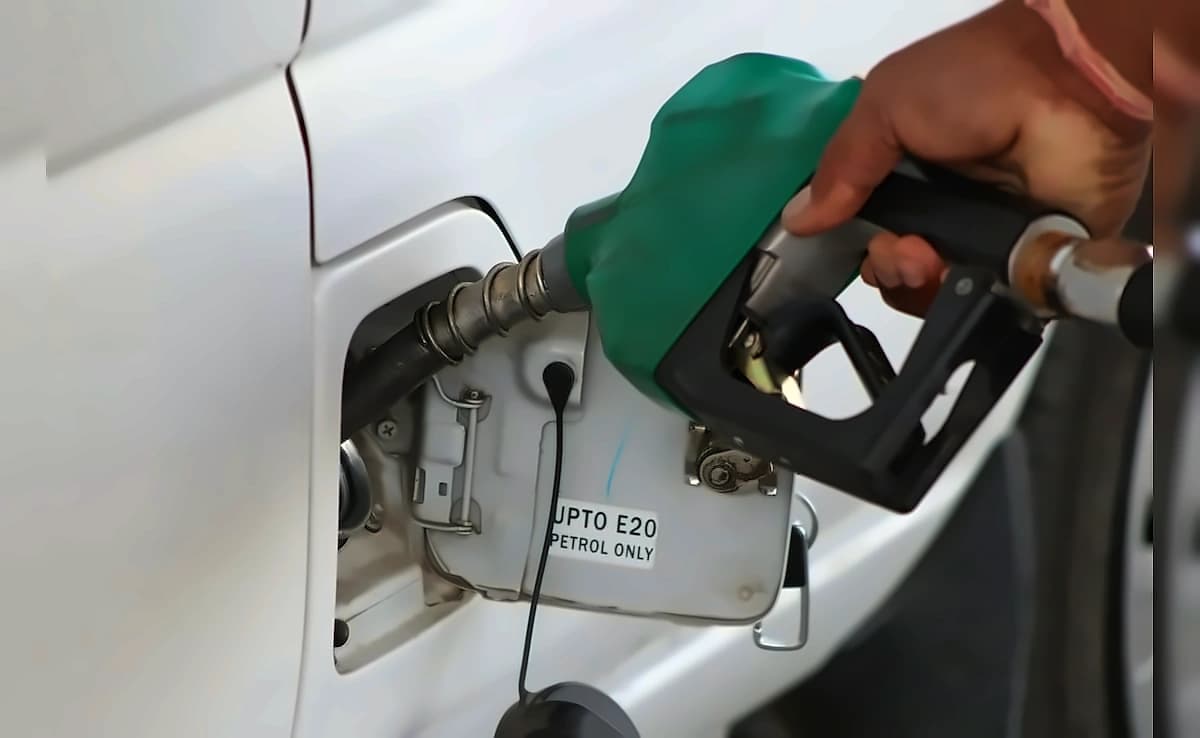
The fuel price hike is creating significant problems for middle-class, lower middle-class, and poor families across various regions. According to recent reports, the impact has been particularly severe in Kokrajhar town, where residents are experiencing the full brunt of the price increase. People are reporting that along with fuel prices, the cost of essential food items, cooking oil, vegetables, and other daily essentials may also rise, creating a compound burden on common citizens. Cab drivers repaying vehicle loans are facing additional financial pressure due to increased fuel costs, while residents travelling long distances are fearing the hike will strain monthly budgets further. Vijay specifically raised concerns about MSMEs facing a slowdown in market and exports due to increased production costs of their products.
With petrol prices rising from ₹94.73 to ₹97.55 per litre and diesel from ₹87.86 to ₹90.82 per litre, residents across income groups are expressing concerns about increased transport costs. College students like Mohd Habib from Burlington are planning to shift to cheaper modes of transport, stating that daily commute costs will become more expensive. IT student Tamreen Fatima noted she will prefer autos over using her scooty daily due to pocket money constraints. Residents travelling long distances are also fearing the hike will strain monthly budgets further, with Mohit Gupta from Aminabad noting that cab fares may also rise and there is no Metro connectivity near his house.