The Union Cabinet has approved the IndiaAI Mission with a total budget outlay of ₹10,371.92 crore to build a comprehensive AI ecosystem in the country. As per latest reports, this mission represents a significant government commitment to artificial intelligence development and is expected to be a key driver of data centre growth in India. The second phase of the Semicon India Programme (Semicon 2.0) was approved by the Union Cabinet on 15.07.2026 with an outlay of ₹1,27,500 crore under the India Semiconductor Mission (ISM). Additionally, the Electronics Components Manufacturing Scheme (ECMS) has received higher financial support with its allocation increased from ₹22,000 crore to ₹40,000 crore. The Government has also launched PLI Scheme 2.0 for IT Hardware to create a robust domestic manufacturing ecosystem and reduce import reliance.
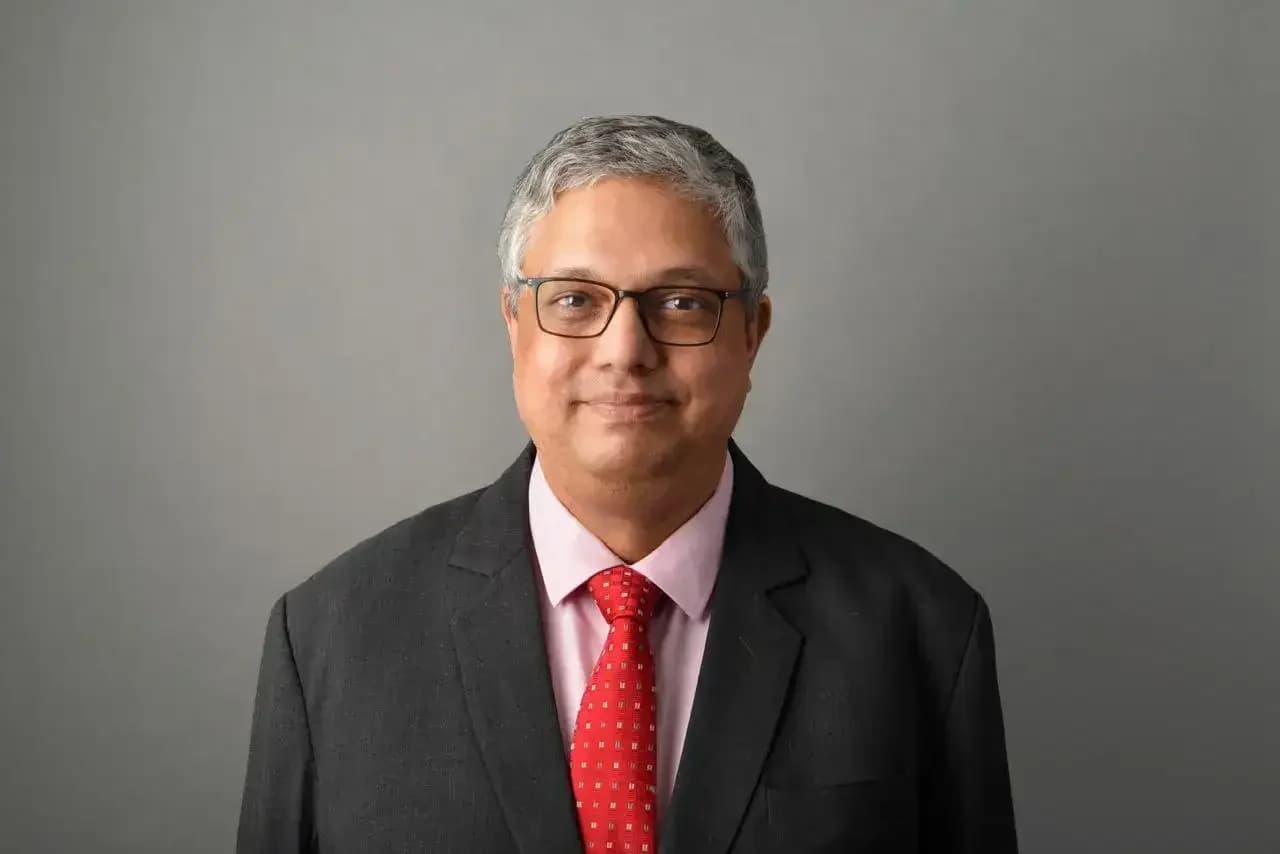
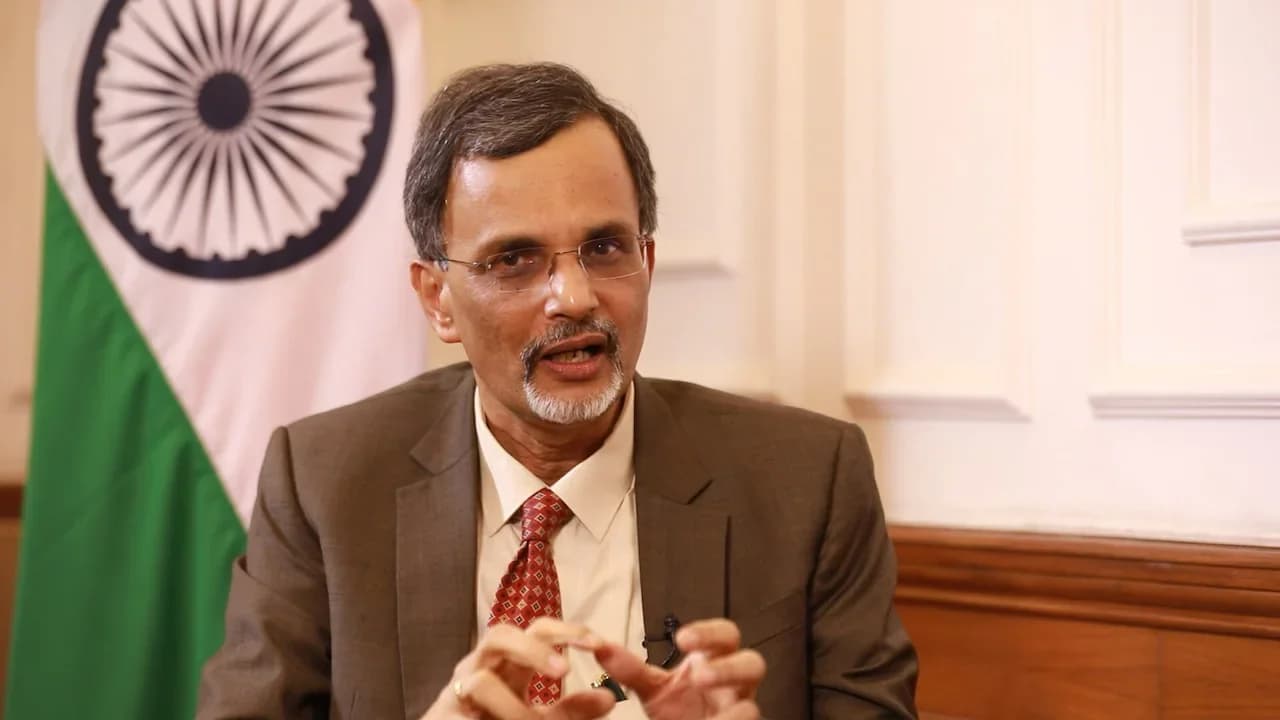
Chief Economic Advisor V Anantha Nageswaran has issued a dual message to India's youth and corporate sector amid evolving AI landscape. According to reports from NDTV Profit, speaking at an ASSOCHAM event, Nageswaran advised youngsters to seek skill training in light of the risks AI poses to reducing employment opportunities. He emphasized the need for skill training in AI-related areas to navigate the changing job market dynamics. In his latest assessment, Nageswaran urged young people to remain open to acquiring trade skills instead of limiting themselves to traditional educational routes, particularly as artificial intelligence begins to reshape employment. As reported by Times Now, he noted that the changing economic landscape would require households and individuals to pay greater attention to their mental, physical and emotional wellbeing.
The CEA has called upon the private sector to invest in hiring and good pay incentives to improve economic growth. As reported by NDTV Profit, Nageswaran noted that global uncertainties have made a comeback in the last five days, while expressing confidence that the fiscal deficit would be close to 4.3% of GDP by financial year 2027. He stated that official data indicates the economy retaining strong momentum, with India not expecting food price increases to persist throughout financial year 2027. Speaking at ASSOCHAM's Managing Committee Meeting, Nageswaran emphasized that the Indian economy is more likely to be resilient rather than becoming more vulnerable, pointing to healthy bank credit growth, strong Goods and Services Tax (GST) collections and robust balance sheets across the corporate and banking sectors.
India is emerging as a key test case for artificial intelligence's impact on employment, with AI-related hiring outpacing job losses so far, according to Nomura Holdings Inc. According to economists Sonal Varma and Si Ying Toh from Nomura, India recorded 83,100 AI-related hires during the period from 2022 through August 2026, compared with 31,921 layoffs and attrition. The country's large technology-services industry and role as a global back-office hub mean it is experiencing the largest absolute impact from AI across layoffs, hiring freezes and recruitment. As reported by Times Now, Nageswaran noted that the current economic environment represents more than a temporary period of volatility and could mark a structural turning point for India, requiring the country to raise its game in multiple respects.
Data centre capacity is expanding rapidly, making energy and resource efficiency increasingly important for sustainable growth. According to the Central Electricity Authority (CEA), Ministry of Power, demand could reach 17 GW by 2031–32. As the sector expands, the Government is promoting cleaner energy and efficient resource use to support sustainable sectoral growth. The AI ecosystem being fostered under the IndiaAI Mission is a key driver of data centre growth in India, highlighting the interconnected nature of AI development and infrastructure requirements. This growth trajectory underscores the critical importance of India's strategic investments in AI infrastructure and energy security for long-term economic competitiveness.