According to reports from Mint, hallmarking of silver jewellery is set to become mandatory from October 2026 to step up consumer protection and regulatory oversight. The decision brings silver jewellery closer to the regulatory framework governing mandatory gold hallmarking, which was made mandatory in June 2021 across 256 districts. Since then, mandatory gold hallmarking has expanded to about 400 of India's 782 districts through a phased rollout. In an update on 28 August, the Bureau of Indian Standards (BIS) reported that more than 77 lakh silver jewellery and artefacts have received a six-digit Hallmark Unique Identification (HUID) number since its introduction in September last year, as per PTI.
As reported by Mint, the Bureau of Indian Standards (BIS) currently operates 341 silver assaying and hallmarking centres across 102 districts, with 25,000 silver jewellers registered under the body. Silver hallmarking has been available on a voluntary basis since October 2005, allowing BIS-registered jewellers to get their pieces certified at recognized centres. However, since September 2025, any silver article undergoing hallmarking is required to carry a BIS-issued, six-digit alphanumeric HUID to assess industry readiness ahead of full nationwide rollout. According to the BIS, at 62%, south Indian states lead in terms of volume of silver hallmarking, followed by the western region at 18% and the central region at 10%.
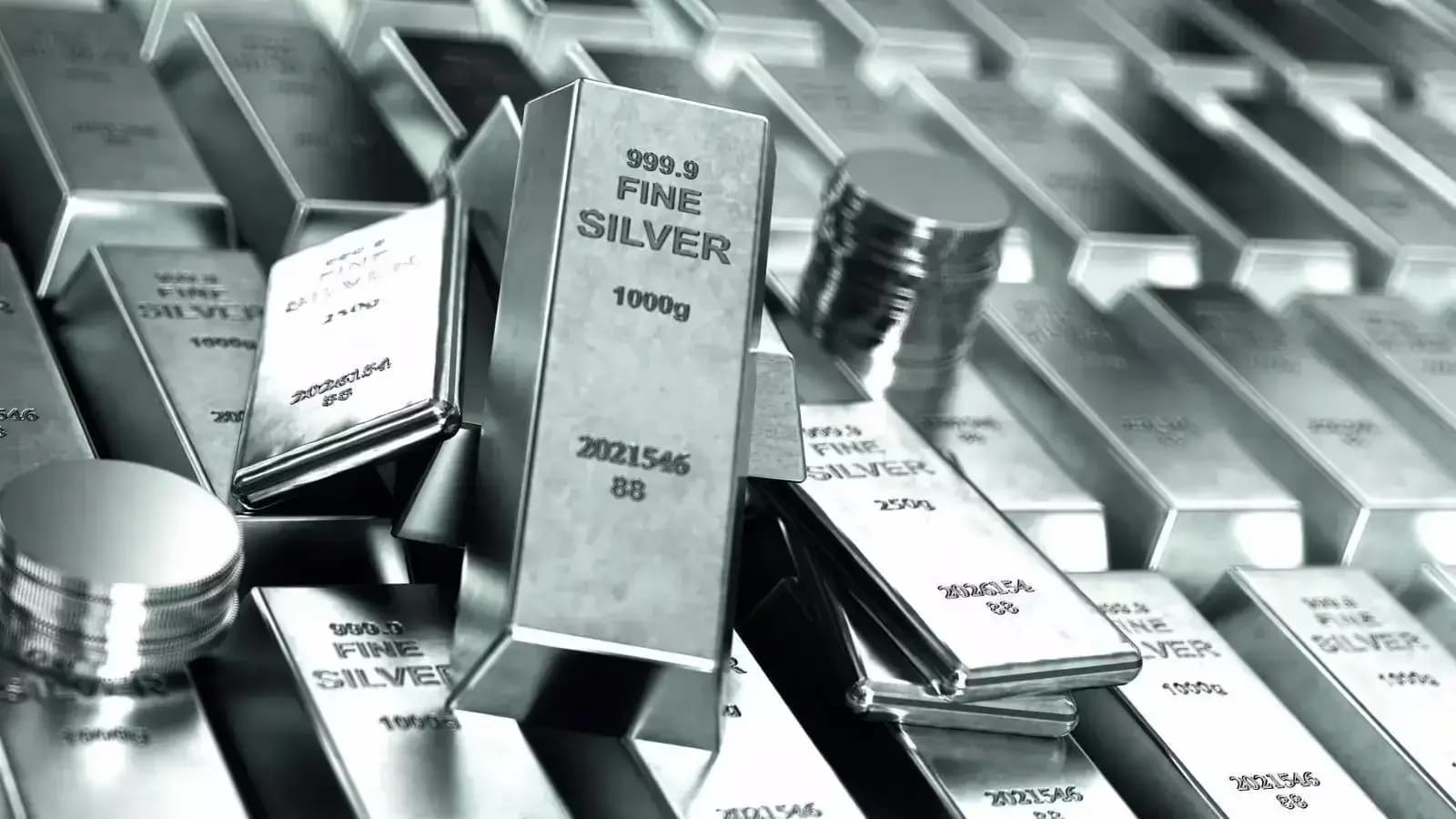
According to a BIS market survey showing 4,971 responses from 30 states and Union Territories across 345 districts, 10-25 gm and 25-50 gm silver articles enjoyed highest demand — accounting for 74% of the responses. For jewellery, the BIS survey found that anklets or payals, chains, toe rings, finger rings and bracelets are among the most commonly sold silver articles. In terms of grade preference, purity grades 925 and 800 account for nearly 95% of all hallmarked items and comprised the most sold silver hallmarked items. The BIS recognises seven fineness grades for silver jewellery, ranging from 800 to 999 parts per thousand, with standard specifications including 999 (99.9% purity), 925 (sterling silver), 900 (coin silver), 835 (German silver), and 800 (80% purity).
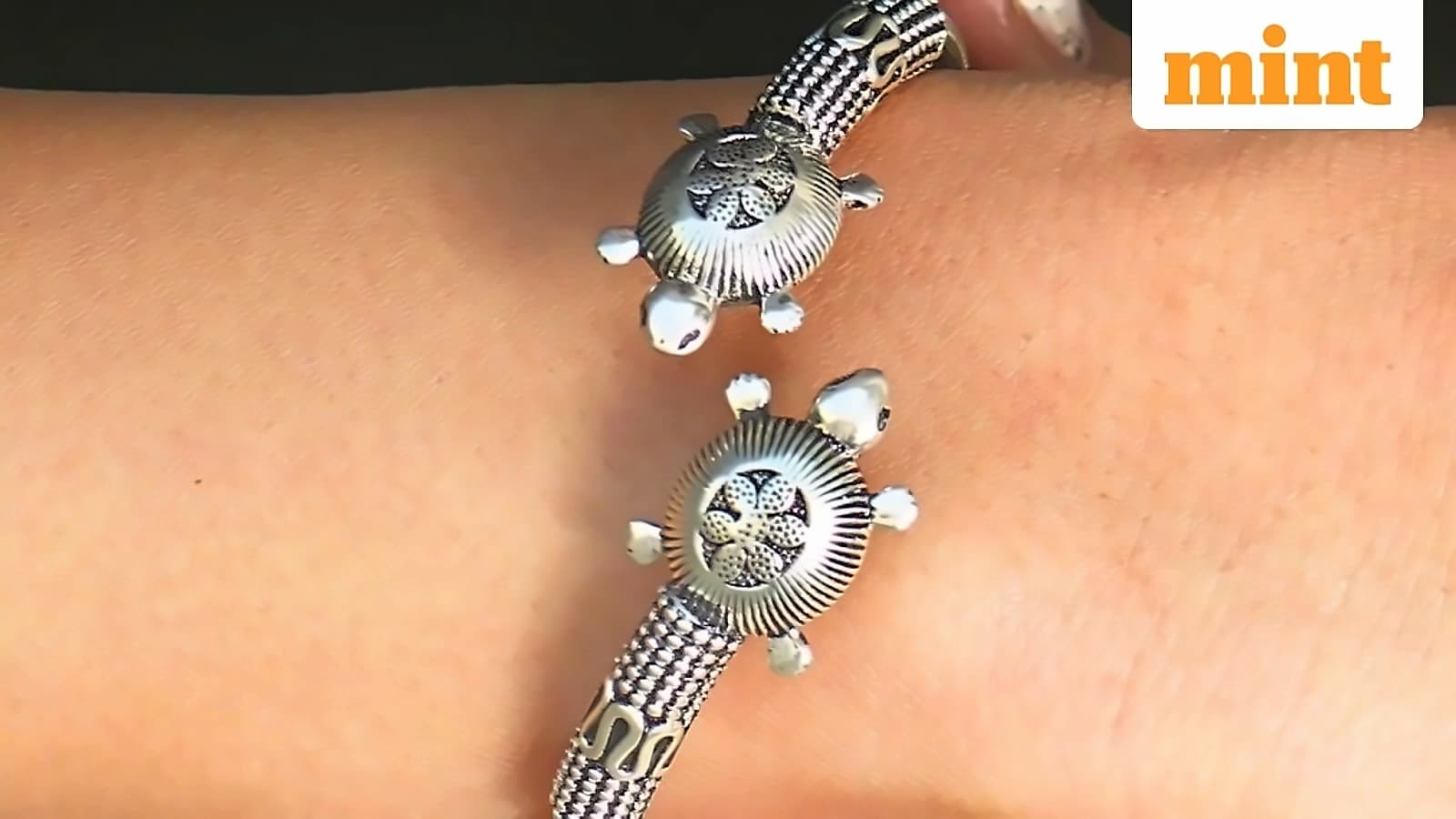
Every hallmarked silver jewellery displays the BIS Standard Mark, the word 'SILVER', the item's purity grade, and since September 2025, the laser-marked six-digit alphanumeric HUID. Under the hallmarking scheme, silver jewellers are granted a Certificate of Registration in accordance with Indian Standard, IS 2112 'Silver and Silver alloys Jewellery and Artefacts - Fineness and Marking' to sell hallmarked silver jewellery. The HUID can be used to track and verify the jewellery's details digitally on the BIS CARE app, providing consumers with third-party assurance of purity. Under Sections 14(6)/(8), 15, and 17 of the BIS Act 2016, non-compliant jewellers face up to one year in prison or a fine of at least ₹1 lakh, which may extend to five times the value of goods.
As reported by Mint, India's silver jewellery exports nearly doubled to $433.80 million in the first quarter of FY27, while imports fell over 90% to $21.87 million. This follows a major surge in silver jewellery trade during FY26, when imports surged 84.55% to $863.08 million and exports grew 66.59% to $1.64 billion. India consumes around 5,000-7,000 tonnes of silver annually, of which only 700-800 tonnes are mined domestically, with the remaining demand met through imports from the UK, UAE, Hong Kong and Russia. In FY25, 32 lakh silver jewellery articles were hallmarked, without HUID, demonstrating significant growth in adoption since the mandatory HUID requirement.