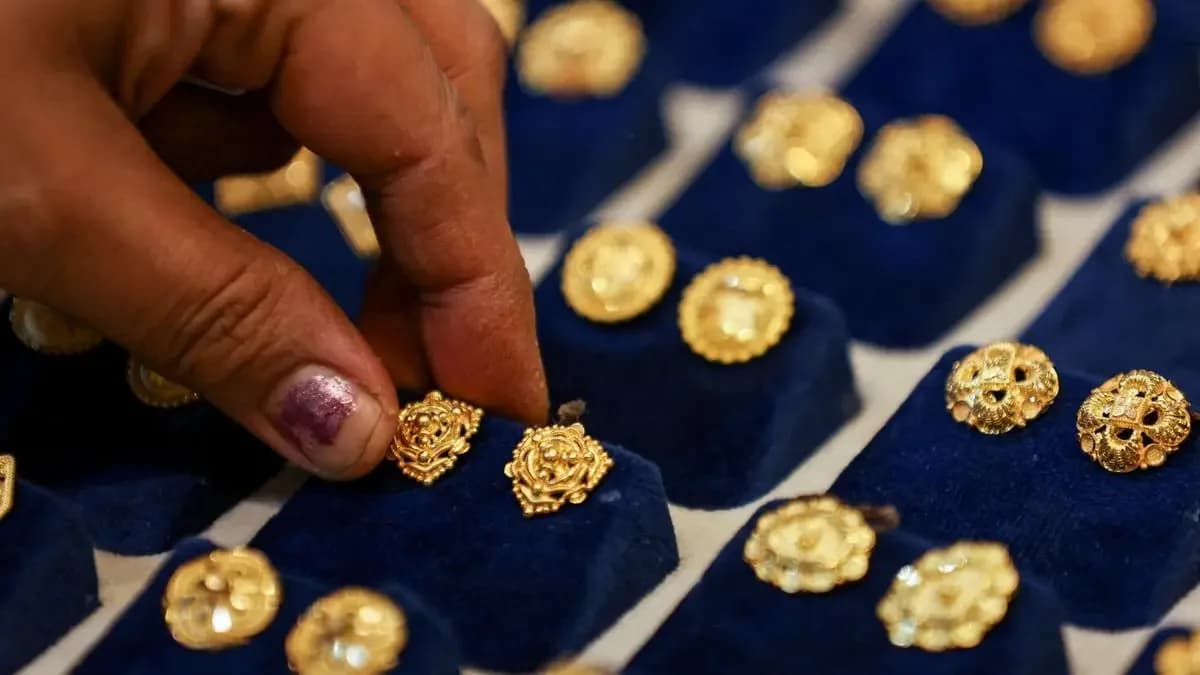
The Bureau of Indian Standards (BIS) has significantly expanded mandatory hallmarking for gold jewellery and artefacts, bringing the coverage to 392 districts across 26 states and Union territories. According to the Hallmarking of Gold Jewellery and Gold Artefacts (Third Amendment) Order, 2026 issued by the Ministry of Consumer Affairs on August 3, 12 new districts across nine states have been added to the framework. The expansion includes districts in Assam, Haryana, Madhya Pradesh, Maharashtra, Odisha, Rajasthan, Tamil Nadu, Uttarakhand and West Bengal, with Madhya Pradesh leading with the highest number of additions including Bhind, Khandwa and Vidisha.

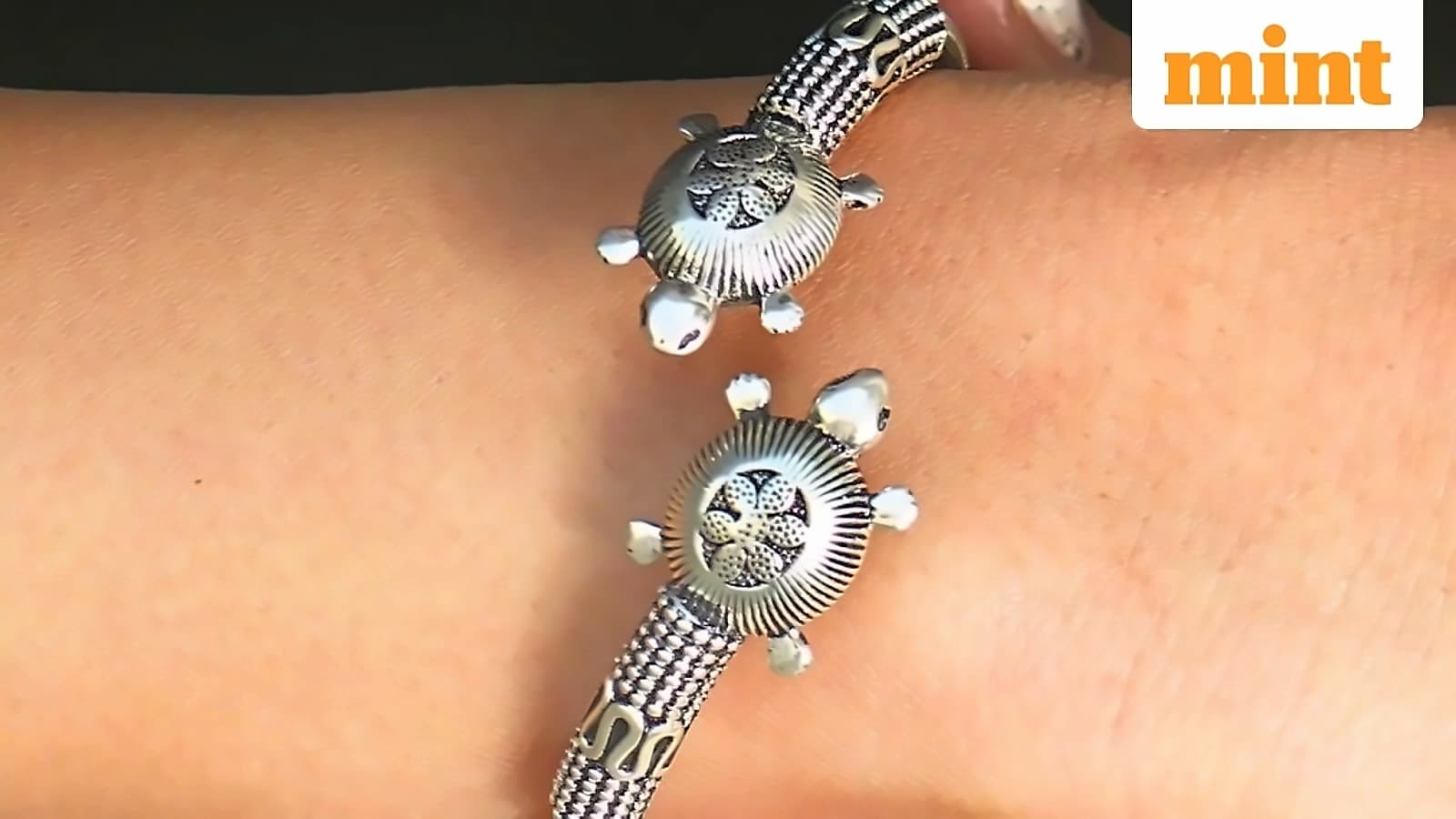
The Bureau of Indian Standards (BIS) is preparing to scale up testing of silver jewellery as demand shifts from gold amid a spike in prices. According to reports from The Hindu BusinessLine, BIS Deputy Director General (Laboratories) Nishat S Haque stated that the agency will be able to handle silver jewellery testing requirements within its own laboratories for roughly the next two years. The expansion will include setting up referral and assay laboratories across the country during this period. As per The Hindu BusinessLine, Haque emphasized that BIS is ready to take up silver jewellery testing in a big way in its laboratories, with the agency having taken stock of the requirements and prepared to handle the increased demand.
The number of silver jewellery articles hallmarked has shown significant growth, rising to 5.9 million in the 2025-26 fiscal year from 3.2 million in 2024-25, as reported by The Hindu BusinessLine. Silver hallmarking has been voluntary since 2005, and from September 2025 onwards, hallmarked silver articles carry a Hallmark Unique Identification (HUID) number, enabling buyers to verify purity. Currently, there are around 230 Assaying and Hallmarking Centres recognised by BIS for testing silver jewellery.
BIS has significantly expanded its laboratory infrastructure to meet rising certification demand. According to The Hindu BusinessLine, the agency tested nearly 270,000 product samples in the past year, with its laboratory network expanding to 440 recognised laboratories and 350 empanelled laboratories compared to only 147 recognised laboratories and 24 government laboratories in 2014. BIS now operates 10 of its own laboratories nationwide, backed by a wider network of recognised private and empanelled government labs. As per The Hindu BusinessLine, BIS has set close to 23,000 standards in total, of which about 700 are mandatory, with the laboratory network continuing to expand to match the growing load.
BIS operates a unique model for gold hallmarking surveillance, keeping all testing in-house rather than outsourcing to external laboratories. According to The Hindu BusinessLine, Haque described this as one of the regulator's biggest consumer-confidence successes, with BIS setting up referral and assay laboratories within its own laboratory setup. The agency does not outsource market surveillance activity of hallmarked jewellery to any outside lab, maintaining complete control over testing standards and quality assurance.
BIS is implementing artificial intelligence, machine learning and robotics to increase testing speed and reduce human error. As reported by The Hindu BusinessLine, the agency is piloting a pick-and-place robotic arm for cement testing this year and plans to expand robotic features across laboratories depending on results. BIS has also integrated test equipment directly with its Lab Information Management System (LIMS) to automatically capture and calculate readings, alongside CCTV monitoring of lab areas. The agency views these technologies as tools to increase testing speed, improve transparency and reduce human error in its certification processes.
BIS conducts regular surveillance of ISI-marked products and enforces mandatory-standard testing through government Quality Control Orders. According to The Hindu BusinessLine, consumers with complaints about BIS-certified products can file them through the BIS Care app, while manufacturers can check laboratory availability on the agency's Laboratory Information Management System portal. The agency also funds outside and government laboratories to build critical infrastructure, including organic food testing facilities to support exports. Haque emphasized the importance of BIS certification, urging manufacturers to seek certification through the BIS lab network and encouraging consumers to buy BIS certified products with confidence in the mark.