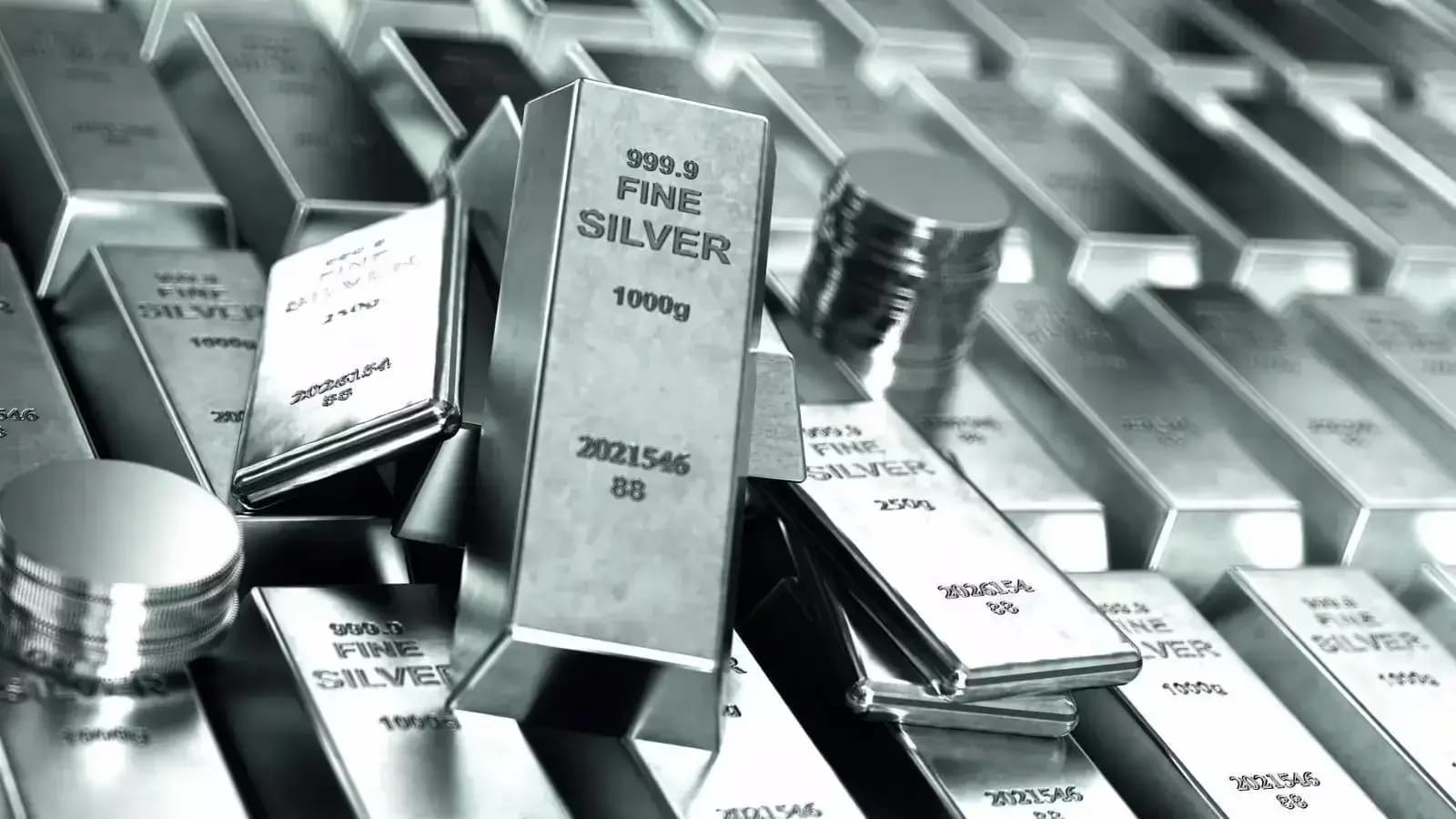
India has placed silver bars with 99.9% purity and all other semi-manufactured forms of silver under the 'restricted' category with immediate effect, as reported by The Economic Times. The government's decision comes as rising oil prices and the ongoing West Asia conflict put pressure on the country's foreign exchange reserves, prompting authorities to curb imports and reduce pressure on the rupee. The two restricted categories accounted for more than 90% of the country's silver imports in the last fiscal year, making these restrictions significant for global supply chains. According to Chirag Thakkar, chief executive of Amrapali Group Gujarat, a leading silver importer, "This move will reduce imports and tighten supplies in the local market. Silver had been trading at a discount after the government raised import duties, but it is likely to start trading at a premium in the coming weeks."
The latest restrictions have been further tightened with silver bars now requiring import through RBI-notified banks, DGFT-approved entities, and IFSCA-qualified jewellers via the India International Bullion Exchange only, as reported by kirtanshahcfp. This represents a significant shift from the previous system where silver imports were more accessible to various entities. The restrictions come after import duties were increased from 6% to 15% in just three days, demonstrating the government's rapid response to support the rupee. For the domestic market, these changes mean entry is now guarded rather than completely shut, with silver imports now channelled mainly through these approved channels, leading to higher premiums for Indian investors compared with global benchmark prices.
India imported a record $12 billion worth of silver during FY26, sharply higher than $4.8 billion in the previous financial year, according to trade ministry data reported by The Economic Times. In April alone, silver imports surged 157% year on year to $411 million. The government has now sharply hiked import duty on gold and silver to 15% from 6% effective May 13, with platinum duty raised to 15.4% from 6.4%. These measures came within days of Prime Minister Narendra Modi's clarion call for curbs on gold purchases, along with other austerity measures to reduce avoidable foreign exchange expenditure. Demand has increasingly shifted towards investment buying rather than traditional jewellery and silverware consumption, with silver exchange-traded funds witnessing record inflows as investors sought alternatives amid rising gold prices and broader market volatility.
Analysts say the MCX-LBMA spread, the difference between domestic silver prices on India's Multi Commodity Exchange and international London benchmark prices, will be key to tracking the impact of these restrictions, as reported by The Economic Times. "The MCX-LBMA spread is the number to watch, because that gap shows you exactly how much extra Indians are paying versus the world price," Trivedi explained. The restrictions could also affect domestic silver ETFs and listed refiners, as investors may increasingly turn to financial products when physical supply becomes harder or more expensive to access. With the enhanced restrictions and duty hikes, domestic premiums on silver are expected to increase significantly from Monday, according to market observers.
Trivedi noted that the impact on global silver prices may remain limited because India, despite being a major consumer, does not determine international benchmark pricing, as reported by The Economic Times. However, he warned that trade flows could shift regionally if import demand starts getting rerouted through channels such as the UAE Comprehensive Economic Partnership Agreement tariff quota mechanism. India imports most of its silver from the UAE, Britain and China, with silver also widely used in industrial applications including solar panels, electronics and electrical equipment. Lower demand from India, which meets more than 80% of its consumption through imports, could weigh on global prices as the country is the world's biggest consumer of the metal. The government has also imposed a 100 kg limit on gold imports under the Advance Authorisation scheme and tightened conditions for issuing advance authorisation for gold imports.