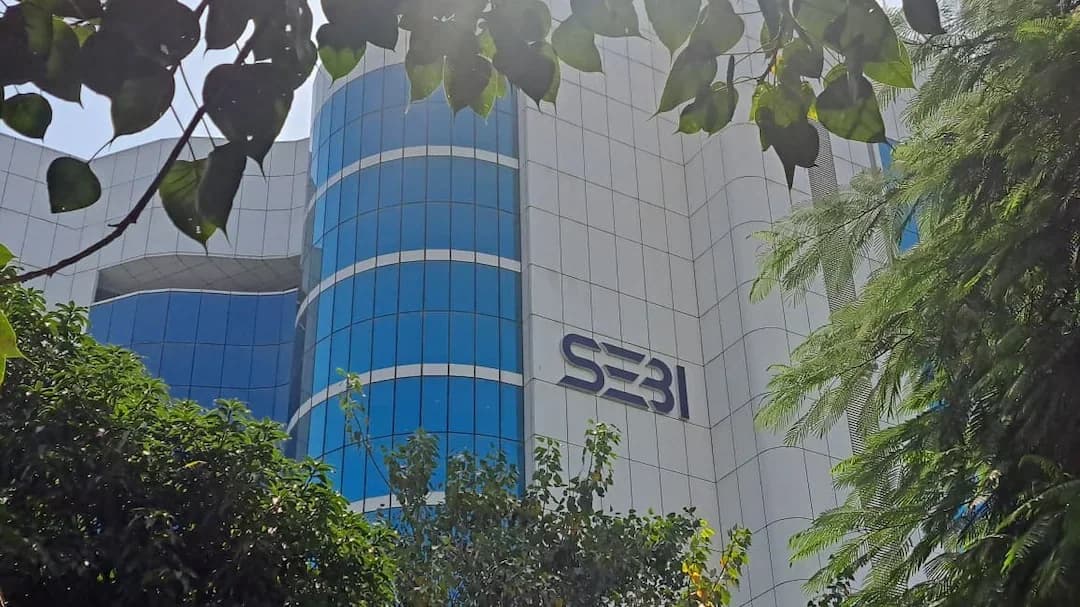
The Securities and Exchanges Board of India (SEBI) has introduced a one-day-a-week work-from-home policy for employees from Grade A to Grade C, according to sources reported by NDTV Profit. This policy represents a direct and temporary response to Prime Minister Narendra Modi's appeal for energy conservation amid the ongoing energy inflation crisis stemming from the Iran war. The move comes roughly a fortnight after PM Modi's push for remote work in an attempt to conserve energy resources. The market regulator is also considering postponing internal events as part of their broader energy conservation initiative.
As reported by NDTV Profit, SEBI is looking to reduce non-essential travel and hotel costs as part of their energy conservation strategy. The regulator is considering postponing internal events to align with the government's austerity appeal during the current energy crisis. This initiative comes as part of a broader corporate response to PM Modi's push for remote work to conserve energy resources, demonstrating the market regulator's commitment to supporting national energy conservation efforts.
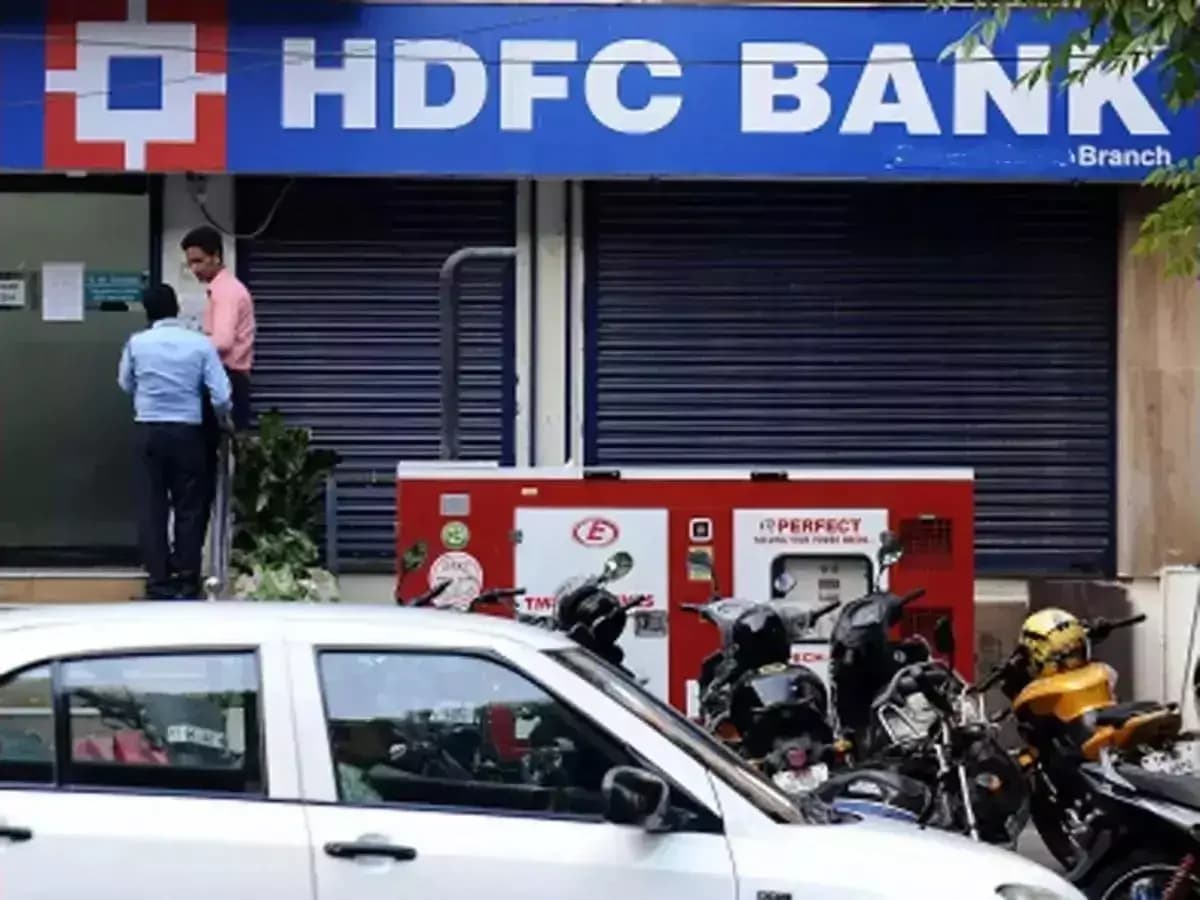
The policy follows similar measures by major financial institutions, with HDFC Bank allowing two days work-from-home for select staff, including critical operational divisions such as treasury operations, credit underwriting and risk, transaction banking, digital banking, and IT services, as reported by NDTV Profit. Similarly, HDFC Securities has also switched to a hybrid model in response to PM Modi's austerity appeal. These banking sector initiatives demonstrate widespread adoption of remote work policies across the financial services industry, with both institutions implementing flexible work arrangements for key operational divisions.
Goa Tourism and IT Minister Rohan Khaunte stated that the state is positioning itself as a leading work-from-home destination, aiming to move beyond its traditional image as merely a tourism hotspot, according to NDTV Profit. The minister highlighted that Goa is increasingly attracting professionals, content creators and digital nomads looking for a healthier work-life balance, reflecting the broader trend toward remote work adoption across various sectors. Highlighting the rise of remote work and digital lifestyles, the minister emphasized that Goa can also deliver on PM Modi's appeal, positioning the state as a destination for those seeking flexible work arrangements.
PM Modi's austerity appeal comes as India faces significant economic challenges from the US-Iran war, with Brent crude expected to average $90-95 per barrel in FY27, roughly 32% higher year-on-year according to Crisil Ratings. The Prime Minister urged citizens to conserve fuel, revive work-from-home practices, limit non-essential purchases and avoid overseas vacations to help India navigate economic challenges arising from the ongoing geopolitical tensions. Highlighting India's dependence on imported fuel, PM Modi stressed that reducing fuel consumption would help save valuable foreign exchange reserves at a time when global energy prices were rising sharply.