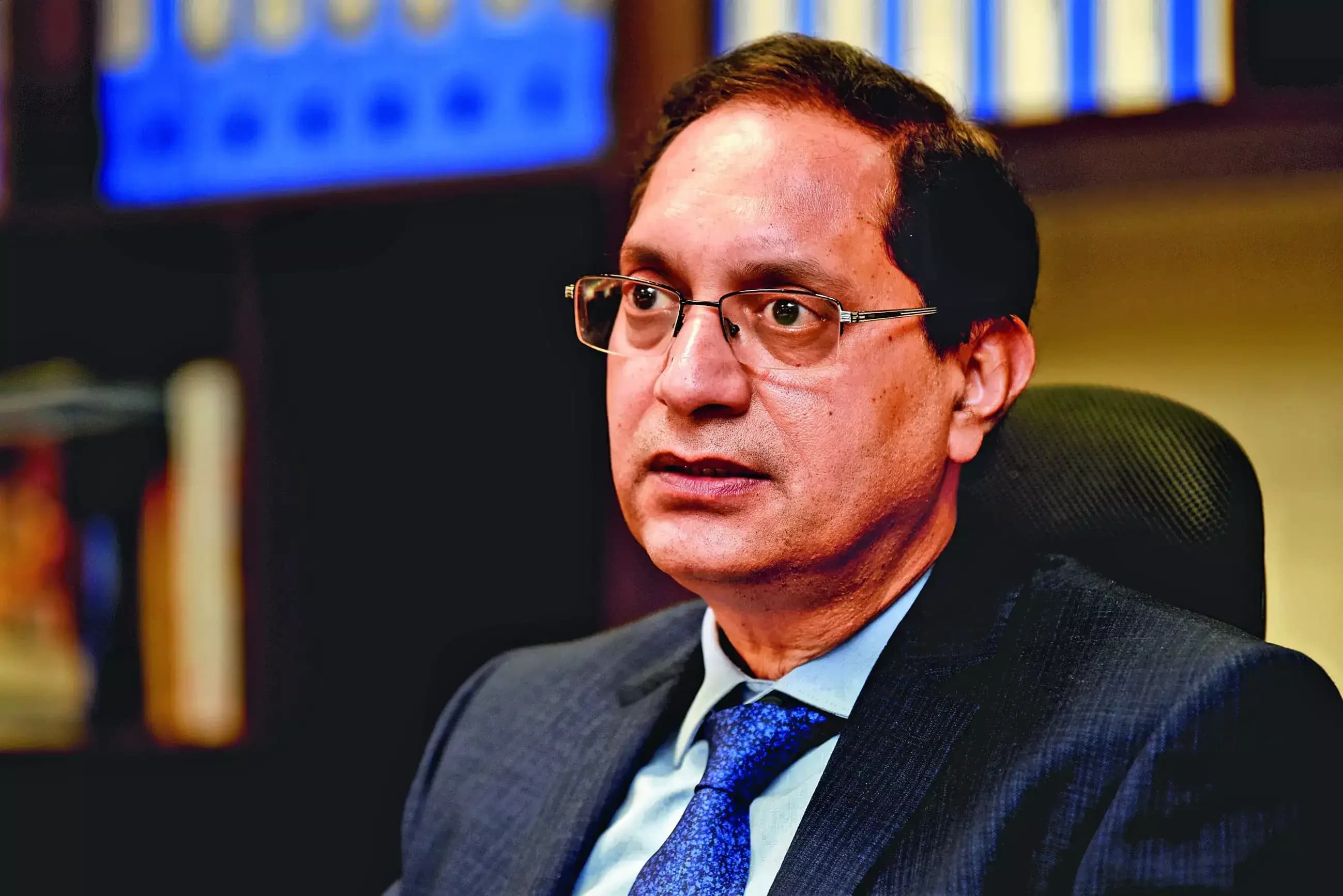
SEBI Chairman Tuhin Kanta Pandey announced comprehensive reforms to India's capital market regulations during the Financial Express Modern BFSI Summit 2026 in Mumbai. According to The Financial Express, the regulator is planning sweeping changes in the Listing Obligations and Disclosure Requirements (LODR) regulations to simplify compliance, improve transparency and strengthen investor protection. As reported by The Financial Express, Pandey stated that 'As a first step, we have proposed stronger monitoring of issue proceeds with greater transparency and accountability. Further proposals will follow, focusing on ease of doing business and simplified compliance without compromising investor protection'. The regulator is also considering third-party monitoring of funds raised through initial public offerings (IPOs) to ensure companies use proceeds for specified purposes, while continuing to review regulations to make compliance easier without weakening investor protection.
SEBI Chairman Tuhin Kanta Pandey has projected that India's mutual fund investor base could grow from the current 6.6 crore to 24-26 crore over the next decade, representing an annual growth rate of 13-15 percent. Speaking at the Samwaad India Open Finance Summit 2026 in Mumbai, Pandey said the growth projection was based on a compound annual growth rate of around 14-15 percent. As reported by The Hindu BusinessLine, he emphasized that 'I don't say it's heavy lifting. In my opinion, I consider it a basic job to make it easier for everyone—FPIs as well as domestic investors—to invest seamlessly'. The regulator has sent nearly 44 crore investor awareness messages in nine days using digital platforms to expand outreach, with the Project Jagruk initiative available in 13 languages to reach investors in remote areas including Ladakh, Kashmir and Arunachal Pradesh.
India's capital markets have experienced remarkable expansion over the past decade, with market capitalisation growing nearly fivefold to ₹472 lakh crore, as reported by The Financial Express. The country's unique investor base has crossed 15 crore, while mutual fund assets have reached around ₹83 lakh crore. According to the report, foreign portfolio investors hold around ₹74 lakh crore in Indian equities and debt, highlighting their significant role in the country's financial markets. Pandey emphasized that India's projected growth of 7% in each of the next two financial years against the International Monetary Fund's global growth projection of 3.1% in 2026 creates opportunities for both domestic and global investors. However, as reported by ANI, Pandey noted that only 36% of investors had moderate to high knowledge of securities markets according to SEBI's Investor Survey 2025, highlighting the need for improved investor awareness. As reported by The Financial Express, with markets expanding, regulation must keep pace without creating unnecessary complexity.
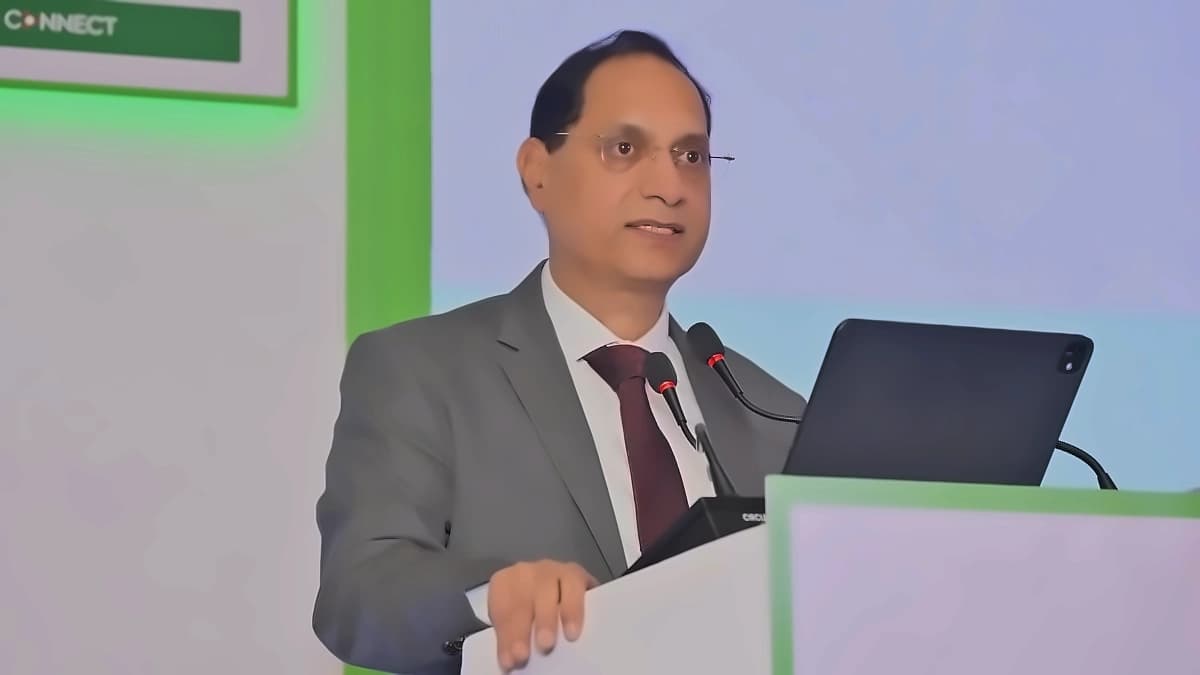
Addressing concerns over muted listing gains in recent IPOs, Pandey said SEBI had strengthened disclosure requirements, including the introduction of abridged prospectuses, to help investors better assess companies' business models and valuations. However, he cautioned that disclosures could only facilitate informed investment decisions, not guarantee listing gains. Speaking at the summit, Pandey emphasized that 'Our next priorities are simpler rules, deeper markets, responsible innovation and wider access' while retaining safeguards. The regulator is also proposing stronger monitoring of funds raised through public issues and is reviewing the small and medium enterprise (SME) initial public offering framework to help genuine businesses raise capital while protecting investors. As reported by The Financial Express, the proposed changes come at a time when India's capital markets have expanded sharply, bringing more retail investors and companies into the system.
On the futures and options (F&O) segment, Pandey said the regulator was seeking to strike a balance between making investors aware of the risks involved and ensuring that excessive regulation did not stifle market development. Addressing the sustained selling by foreign portfolio investors (FPIs) in India's secondary markets, Pandey described the outflows as cyclical, driven partly by relatively lower post-tax dollar returns in India compared with other markets. He said SEBI was engaging with foreign investors to address their key concerns and ease regulatory friction. While overseas investors were reallocating capital to markets offering better recent returns, they continued to have confidence in India's macroeconomic fundamentals and long-term growth prospects, according to The Financial Express.
SEBI is implementing an 'optimum regulation' approach where regulatory requirements match the nature of activities, their risks and investor sophistication levels, as reported by The Financial Express. According to the report, the regulator has reviewed regulations governing stock brokers, mutual funds, portfolio managers and settlement proceedings to simplify rules, remove ambiguities and provide greater flexibility. As reported by The Financial Express, SEBI has discontinued 52 overlapping mutual fund reports and notices and has simplified compliance reporting for stock brokers while rationalising penalties across exchanges. The regulator has also proposed stronger monitoring of funds raised through public issues and is reviewing the small and medium enterprise (SME) initial public offering framework to help genuine businesses raise capital while protecting investors. SEBI is also using AI-based tools for market surveillance to identify potential compliance gaps and suspicious financial promotions at early stages, while encouraging market infrastructure institutions to invest in technology and strengthen security systems to ensure investor safety.
SEBI plans to take further steps to deepen the cash and corporate bond markets through comprehensive reforms, as reported by The Financial Express. The regulator is developing a market-making framework for corporate bonds to improve liquidity in secondary-market trading, while also working on a framework for Fixed Income Channel Partners to widen retail access through regulated online bond platforms. SEBI has also proposed fixed-income channel partners to widen retail investor access through regulated online bond platforms and has proposed net settlement of funds for mutual fund schemes to reduce funding costs. According to the report, the regulator is working on improving bond market functioning and has proposed measures to simplify access for global investors, including non-resident Indians (NRIs). The second phase of its Demat 2.0 pilot will enable secondary-market trading of tokenised corporate bonds. SEBI is also reviewing several other frameworks, including the stock lending and borrowing mechanism and the SME IPO regulations, as part of its broader efforts to improve market efficiency and ease compliance.