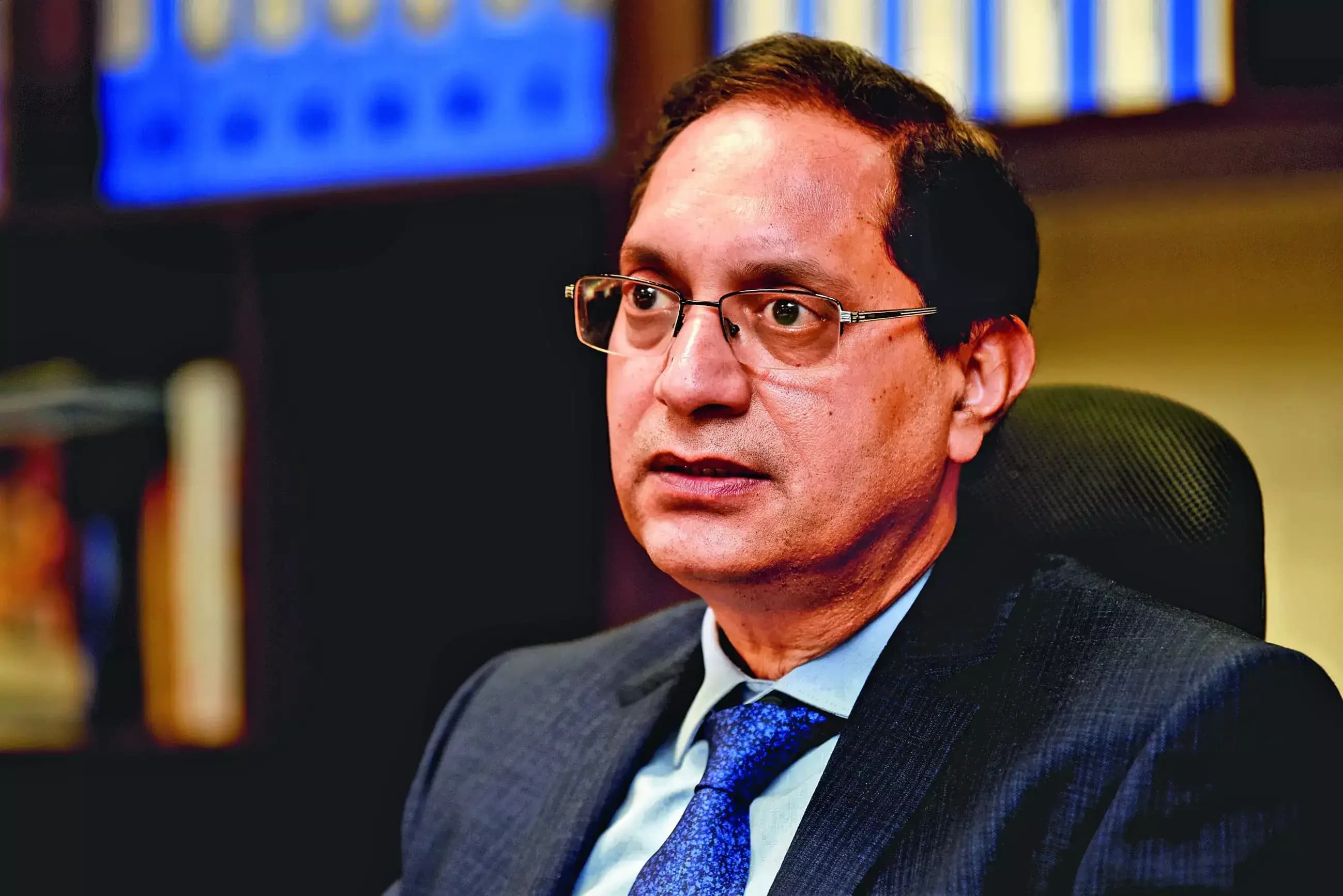
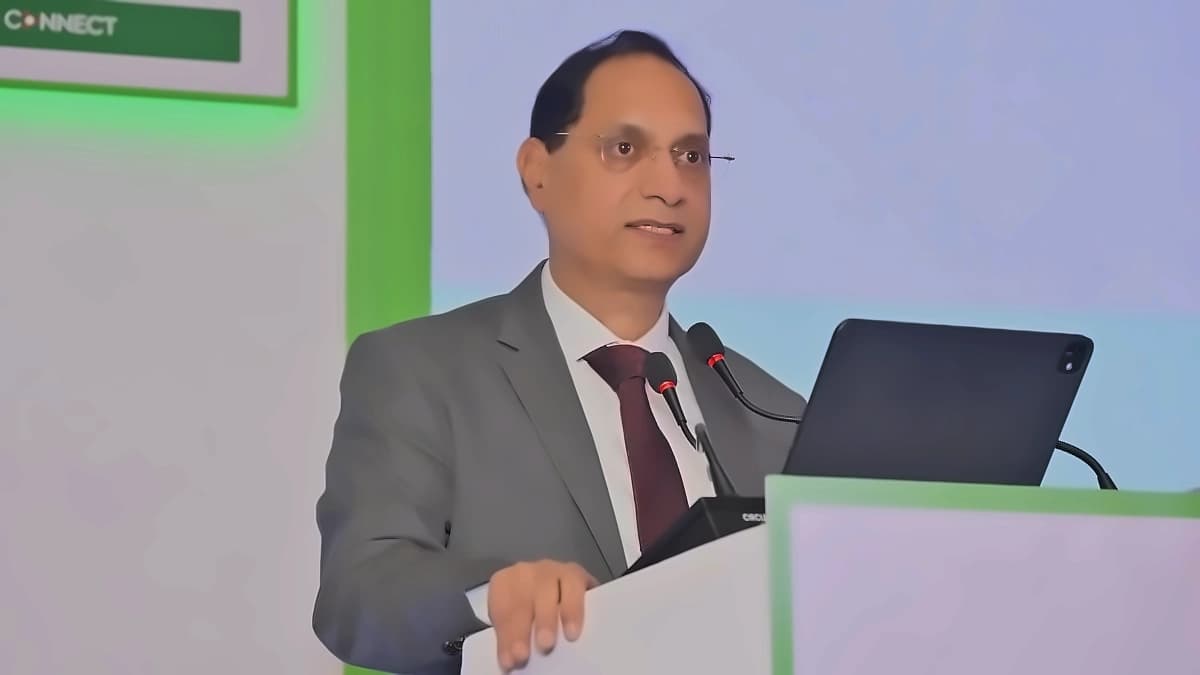
Sebi Chairman Tuhin Kanta Pandey emphasized that corporate governance reforms will remain a key pillar of SEBI's agenda as India's capital markets continue to evolve. Speaking at the ET Now Market Summit 2026, Pandey highlighted the critical role of independent directors in strengthening corporate governance standards and protecting investor interests. "Their role is not limited to asking difficult questions of governance. They must contribute in board discussions on how best to address emerging challenges such as AI, cybersecurity, ESG, R&D and rapid technological change," he stated. According to Pandey, independent directors must also play a central role in protecting minority shareholders and supporting long-term value creation. "We will work with all stakeholders to build a robust, scalable network for capacity building of independent directors," he announced, recognizing the growing responsibilities of board members in the rapidly changing market environment.
Sebi Chairman Tuhin Kanta Pandey outlined a comprehensive roadmap to further deepen India's domestic capital markets at the ET Now Market Summit on Friday. As reported by Business Standard, the regulator's focus will be on lowering market friction, deepening market participation, and ensuring responsible growth amid heightened global volatility. The comprehensive review includes short-selling norms, securities lending and borrowing (SLB) framework, bond index derivatives, and responsible AI usage guidelines - representing the most extensive regulatory overhaul in recent years. Pandey's latest comments at the summit emphasize that "Clearer processes move capital faster. Sharper disclosures reduce uncertainty. Easier access improves confidence," reinforcing the regulator's commitment to improving ease of doing business while maintaining high standards of governance, transparency and investor protection.
The LODR framework is currently under review to make it more responsive to emerging governance and disclosure requirements, Pandey announced at the ET Now Market Summit 2026. The SEBI chief also indicated that the regulator will further review the delisting framework as part of efforts to improve market efficiency and investor confidence. "A well-developed capital market must provide fair entry and fair exit," he emphasized, highlighting the importance of balanced market dynamics. The regulator has already introduced significant reforms in this area, including permitting delisting via fixed-price route in 2024, where shareholders are offered a pre-set exit price as an alternative to reverse book-building. Additionally, SEBI approved a voluntary delisting framework last year for public sector companies where controlling shareholders owned more than 90%. Beyond corporate governance, the regulator is also reviewing regulations related to municipal debt markets and portfolio management services to address practical challenges faced by market participants and ensure the frameworks continue to support market development.
Indian capital markets have demonstrated remarkable resilience despite facing multiple global challenges, with Sebi Chairman Tuhin Kanta Pandey highlighting that Indian markets helped raise more than ₹1.5 lakh crore during April and May of FY27. According to The Economic Times, this includes around ₹70,000 crore through equity issuances and ₹86,000 crore through corporate bonds. Pandey noted that "IPO activity has remained relatively subdued during these two months, but the IPO pipeline of around ₹1.5 lakh crore remains robust for the coming months." The regulator emphasized that India's capital markets have developed a stronger domestic investor base that provides support even when global sentiment weakens. Systematic Investment Plan (SIP) assets now account for nearly 21% of the mutual fund industry's assets as of May 2026, with the SIP stoppage ratio declining to 95% after remaining above 100% for two consecutive months, reflecting investors' willingness to continue long-term investment approaches despite market volatility.
As part of efforts to deepen cash markets, Sebi is comprehensively reviewing the SLB and short-selling framework to strengthen the linkage between cash and derivatives markets and improve liquidity. The regulator is also examining ways to expand the equity derivatives market through longer-tenure futures and options contracts. In commodity derivatives, Sebi is considering measures such as extending early pay-in benefits to options contracts, a phased shift towards physical settlement in select agricultural commodities, and a review of position limits. Speaking at the ET Now Market Summit, Pandey confirmed that "We will also be looking to bring in, along with RBI, derivatives on bond indices" as part of the comprehensive market development strategy. The regulator is also considering measures to align REITs and InvITs listing timelines more closely with equity markets to enhance infrastructure financing and capital recycling.
Sebi Chairman Tuhin Kanta Pandey announced that the regulator will issue detailed guidelines on the responsible use of AI in capital markets. The framework will seek to balance the benefits of AI in surveillance, fraud detection, and investor servicing with risks related to transparency, bias, cybersecurity, and accountability. As reported by The Economic Times, Sebi is reviewing the Innovators Growth Platform (IGP) to facilitate fundraising by companies operating in strategic sectors such as artificial intelligence, semiconductors, clean energy, biotechnology, advanced materials and defence technology. The regulator is also working on a market-making framework for corporate bonds, measures to deepen the municipal bond market, and the tokenisation of corporate bonds. Pandey cautioned that "AI brings risks related to transparency, data protection, cybersecurity and accountability," emphasizing that "We will keep our markets prepared for shocks, open to innovation, and anchored in trust."