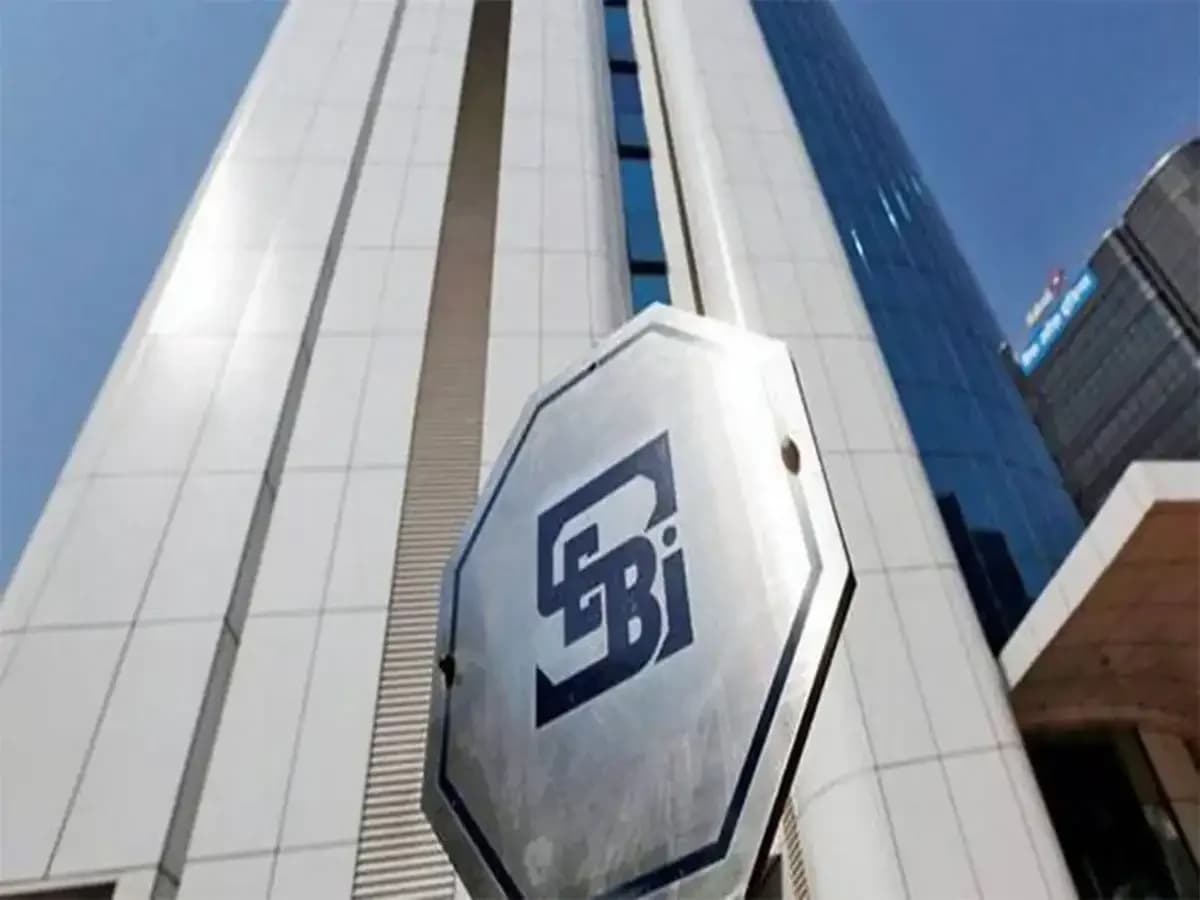
Sebi chairman Tuhin Kanta Pandey announced on Wednesday that the regulator is developing a framework to support global fund-management activity from India. According to reports from The Times of India, this initiative represents part of Sebi's broader market reform agenda aimed at enhancing India's position in international financial services. The framework will enable portfolio managers to invest client funds in foreign securities, marking a significant step toward internationalizing India's fund management capabilities. As reported by ANI, several changes have already been made in tax laws, while certain issues related to portfolio management services (PMS) regulations remain. Sebi has proposed changes in its consultation paper that could ease some of these requirements and encourage global fund management activity from India.
Sebi is examining a proposal to allow mutual fund schemes to settle equity trades on a net basis, a move that could help asset management companies manage liquidity more efficiently and reduce their reliance on intraday borrowings. According to CNBC TV18, SEBI Chairman Tuhin Kanta Pandey announced this consideration at the annual general meeting of the Association of Mutual Funds in India (AMFI) on Friday. Under net settlement, an investor's obligations from multiple buy and sell transactions are settled on a net basis rather than separately on a gross basis, potentially reducing the amount of liquidity mutual funds need to arrange during the trading and settlement cycle. AMCs have sought a framework similar to the one already available to foreign portfolio investors (FPIs), saying it would help ease cash management requirements. The proposal follows SEBI's decision in April to allow FPIs to settle funds obligations with their custodians on a net basis, after representations from FPIs and custodians that gross settlement was creating liquidity pressures and higher funding costs.
India's market regulator is set to introduce substantial rule amendments aimed at lowering collateral requirements in cash equities and encouraging longer-dated derivatives to boost foreign investments. According to Business Standard, the planned reforms come as foreign investment in Indian stocks has hit a seventeen-year low, with foreigners' selling of Indian equities crossing $50 billion from October 2024 until June 2026. The regulator plans to roll out the changes in nine months after consultation with industry and giving market participants time to adjust existing systems. The reforms include cutting collateral requirements for trades in highly liquid stocks by 15% to 20%, as reported by The Hindu BusinessLine, addressing feedback from overseas asset managers who say the existing system favors weekly derivatives contracts and discourages longer hedging strategies. India's weighting in the MSCI emerging markets index has fallen below 12%, from a peak of 21% in September 2024, highlighting the urgency of these reforms. As per Business Standard, the measures will add to plans to boost the cash equities market by making shorting of stocks easier and nearly doubling the number of shares eligible for lending and borrowing.
The Securities and Exchange Board of India (SEBI) is preparing a comprehensive review of the rules governing small and medium enterprise (SME) listings after identifying significant problems with the existing framework. Speaking at the 23rd FICCI Capital Markets Conference 2026 in Mumbai, Pandey highlighted that the existing framework could be restricting the growth of companies listed on the SME platform. The regulator will issue a consultation paper as part of a broader reform exercise to address these challenges. According to The Times of India, the existing framework has created odd lots that have made it difficult for investors to trade SME shares, with the regulator having increased trading lot and application size to limit retail participation but achieving the opposite effect.
Sebi is developing comprehensive AI and machine learning rules with human oversight and safety mechanisms. Speaking at the 23rd FICCI Capital Markets Conference 2026 in Mumbai, Pandey announced that the regulator will shortly issue guidelines for responsible use of AI/ML in markets. The proposed framework will take a tiered approach with clear accountability and governance controls, requiring kill-switch and humans-in-the-loop controls along with data controls. According to ANI, Pandey emphasized that AI can strengthen market surveillance, risk assessment, fraud detection and investor servicing capabilities, but also creates risks around opacity, bias, cybersecurity, data protection and accountability. The Chairman noted that AI implementation requires careful management to preserve trust while enabling responsible market operations.

Sebi is simultaneously reviewing key market mechanisms to deepen liquidity and efficiency. As reported by The Times of India, the Securities Lending & Borrowing Mechanism (SLBM) and short selling frameworks are being restructured to enhance cash market operations. In debt markets, the regulator is proposing greater ISIN flexibility and support for ESG debt instruments, along with technology-driven changes in the corporate bond market. According to Business Standard, the regulator is considering nearly doubling the number of shares eligible for lending and borrowing in cash equities markets. The reforms include lower upfront collateral requirements for derivatives contracts expiring after a year, with regulatory sources noting that liquidity tends to be higher in short-tenure contracts across markets, but in India's case longer contracts face near-zero liquidity. The push to deepen institutional participation follows a two-year effort by SEBI to curb speculative retail derivatives trading activity as they incurred losses five years in a row. Regulatory sources say the watchdog would like the composition of derivative markets, in terms of retail and institutional participation, to more closely reflect developed markets.