SEBI has granted a no-objection certificate to the National Stock Exchange (NSE) to launch futures contracts linked to a corporate bond index, marking a significant milestone in India's fixed-income derivatives market development. According to LiveMint, the launch is subject to approval from the Reserve Bank of India, with the proposed contracts designed to provide investors with an exchange-traded instrument to hedge exposure to corporate bonds and manage portfolio risk. The corporate bond index futures are expected to offer an additional avenue for risk management, portfolio hedging and price discovery, with the product potentially supporting market making by allowing participants to manage risks arising from their corporate bond portfolios. As reported by LiveMint, NSE Chief Business Development Officer Sriram Krishnan emphasized that "This initiative reflects NSE's continued commitment to building deeper, more liquid and resilient debt markets in India."
The corporate bond derivatives initiative comes as total outstanding corporate bonds stood at ₹61.05 trillion ($636.07 billion) as of August 2026, according to a recent SEBI bulletin, highlighting the growing demand for hedging tools in the secondary market. As reported by LiveMint, India's bond market has expanded steadily over the years, with Indian companies raising a record ₹4.07 trillion through bonds in the first four months of FY26, underscoring the growing importance of the corporate bond market as a source of funding. The proposed contracts would provide investors an exchange-traded instrument to hedge exposure to corporate bonds and manage portfolio risk, addressing the growing sophistication of India's fixed-income market participants who require more sophisticated risk management tools. The current secondary-market liquidity underscores the demand for better hedging tools as the corporate bond market continues to expand driven by corporate funding needs.
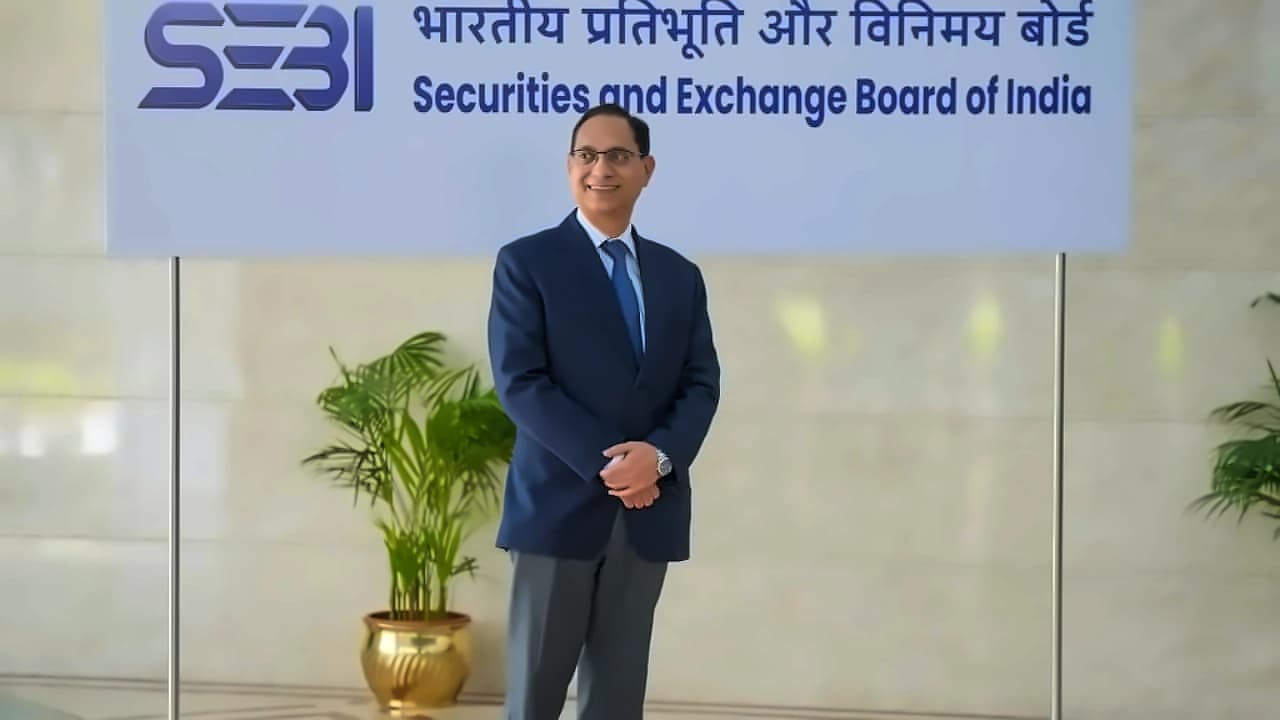
SEBI Chairman Tuhin Kanta Pandey announced that coordination between India's banking and securities regulators has increased significantly, leading to better norms for foreign portfolio investors and the bond market. Speaking at an event, Pandey emphasized that "there is much more active interregulatory coordination… say for RBI and Sebi. We have been working very closely and we've been able to sort out many issues." The enhanced collaboration has resulted in "very fast onboarding of FPIs" through active engagement between the two regulators, with Pandey discussing how foreign banks can be used in the process and a common application form could help address some of the issues. The SEBI Chairman also highlighted PRIM as an interesting development, emphasizing that "regulation should be understandable to the people who have to comply with it."
The market regulator is aiming to slash FPI onboarding times to just five days, down from the current timeline that can stretch past a month. According to LiveMint, "For example, on FPI onboarding, Sebi and RBI are currently engaged very actively on ironing out many issues so that we are able to see very fast onboarding of FPIs." The launch of the India Market Access portal in September 2025 marked a significant step forward, enabling the onboarding process to be faster, seamless and digital. Prior to this portal, FPIs had to coordinate with multiple regulators including Sebi, RBI and Central Board of Direct Taxes, as well as depositories, custodians, exchanges, clearing corporations, banks and legal advisers. With no single source of information, the process made accessing India's markets cumbersome, particularly for first-time foreign investors. The framework is being rolled out in phases, with the first phase covering regulated public funds including mutual funds and unit trusts from the US, Ireland and Luxembourg.
SEBI is encouraging digital onboarding, allowing documents to be submitted with digital signatures instead of physical signatures that earlier required apostillisation or notarisation. As reported by LiveMint, "As part of the digital push, SEBI has also moved towards digital signatures, e-Power of Attorney, a common application portal and tracking mechanisms, reducing reliance on physical documents, notarisation and apostille requirements." The SEBI Chairman noted that RBI has allowed corresponding branches of foreign commercial banks to certify documents, while RBI is also examining whether the SWIFT process could be used for uploading registration documents. These digital initiatives represent a significant shift toward "fast, seamless and digital" FPI registration processes, with the measures part of a broader effort to reduce the time and paperwork involved in bringing foreign capital into Indian markets.
SEBI's board approved the SEBI (Portfolio Managers) Regulations, 2026 on September 24, which permit discretionary and non-discretionary portfolio managers to invest in specified overseas securities. The new framework introduces the Portfolio Managers Route for Investing in Mutual Fund Units (PRIM), allowing portfolio managers to deploy clients' funds into direct plans of mutual funds, including ETFs, index funds and Specialised Investment Funds (SIFs) offered by Indian asset management companies (AMCs). As reported by LiveMint, the framework also introduces Independent Fund Managers and sets a minimum ticket size of ₹25 lakh. The permission is subject to FEMA and the RBI's LRS framework, with Pandey noting that SEBI did not elaborate on how the limits would apply to PMS clients' overseas allocations, deferring to the RBI on that matter. The SEBI Chairman said the new PMS framework has four objectives: developing a strong industry, easing compliance, consolidating and strengthening the remaining framework, and removing redundant provisions.
According to LiveMint, portfolio managers' assets under management, excluding PF and EPFO assets, had grown to about ₹9.2 lakh crore by August 2026 from ₹1.4 lakh crore at the end of FY16, a growth rate of around 20 per cent annually. The number of registered portfolio managers has crossed 530, while discretionary PMS clients have risen to around 2.2 lakh. Pandey emphasized that "the growth of the PMS industry also brings greater responsibility for portfolio managers." He stressed that PMS clients may meet the prescribed investment threshold, but eligibility and suitability were not the same, noting that portfolio managers, given their greater understanding of a strategy's concentration, liquidity, volatility and downside risks, must understand investors equally well. The SEBI Chairman also stressed that performance should be presented with context, including the risks taken, appropriate benchmarks, portfolio concentration and drawdowns. SEBI's focus will increasingly be on simplifying regulation while expanding investment options, with the next phase requiring greater use of technology while maintaining accountability for investment decisions with identifiable human decision-makers.