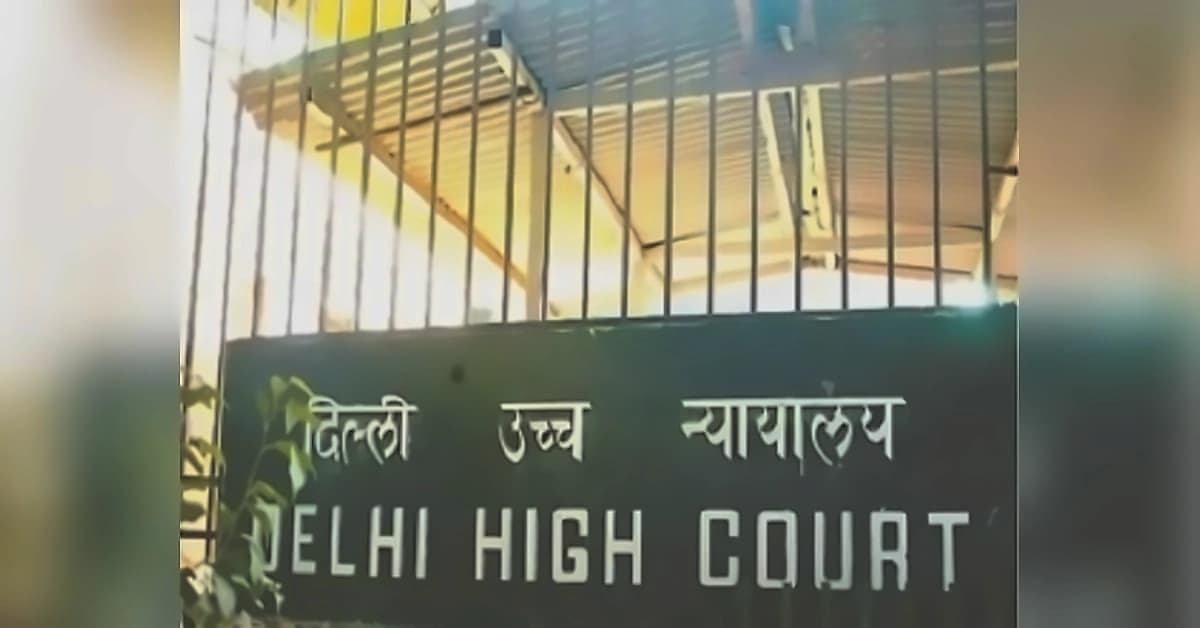
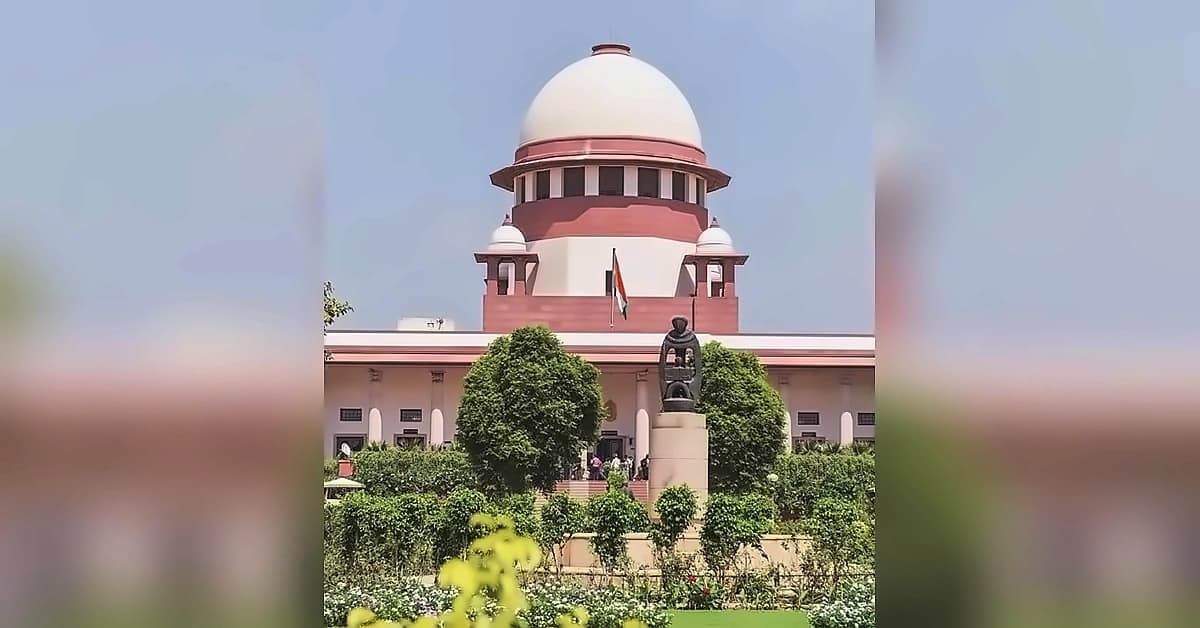
The Supreme Court on Tuesday sought response of the Centre and States on a plea alleging misuse of the Unique Identification Authority of India-issued Aadhaar cards as proof of citizenship, domicile and residential address. A bench of Chief Justice Surya Kant and Justice V Mohana issued notices to the Centre and all the states and UTs on a plea filed by advocate Ashwini Kumar Upadhyay and tagged it with the pending similar matters. The petition, filed through advocate Ashwani Dubey, seeks directions to restrict Aadhaar use strictly for identity verification rather than citizenship, domicile, address and date of birth. The court had earlier issued notice in the matter and tagged the plea with other similar PIL pending adjudication. While referring to a similar filed matter, the Chief Justice said, "This is similar to the plea you have earlier filed. There is overlapping, but at the same time there is connectivity...both may be heard together." The petition seeks comprehensive directions to ensure that Aadhaar is accepted solely as proof of identity and not as evidence of citizenship, domicile, residence or date of birth.
The petition, filed through advocate Ashwani Kumar Dubey, seeks directions to restrict Aadhaar use strictly for identity verification rather than citizenship, domicile, address and date of birth. As reported by Business Standard, the plea contends that Section 9 of the Aadhaar Act, 2016 expressly states that 'Aadhaar is not the evidence of citizenship or domicile'. The petition also references the Unique Identification Authority of India notification dated August 22, 2023 which clearly states that 'Aadhaar is proof of identity, not of citizenship, address or date of birth'. The petition specifically seeks directions that the use of Aadhaar as proof of date of birth and residence in the application form for new voter registration be considered against Section 9 of the Aadhaar Act, 2016, Section 23(4) of the RPA, 1950 and Article 14 of the Constitution. The petition seeks directions to the Centre, state governments and the Election Commission to ensure that Aadhaar is accepted solely as proof of identity and not as evidence of citizenship, domicile, residence or date of birth.
According to the plea filed by advocate Ashwini Kumar Upadhyay, Aadhaar is being used as proof of age, citizenship and domicile for school admission, property purchase and obtaining birth certificates, ration cards, driving licenses. As reported by Business Standard, the petition specifically highlights that Aadhaar is also being used in the application form for new voter registration (Form-6) as proof of date of birth and proof of residence. The petition argues that this misuse allows infiltrators and illegal immigrants to obtain various documents using Aadhaar, despite the clear statutory provisions that Aadhaar is not evidence of citizenship or domicile. The petition further points out that Aadhaar is being accepted in the application process for new voter registration as proof of both date of birth and residence, enabling illegal immigrants and infiltrators to obtain multiple official documents using Aadhaar as the foundational document. The petitioner contends that weak and easily manipulable verification processes enabled illegal immigrants and infiltrators to surreptitiously procure Aadhaar cards, which they subsequently use to obtain other statutory proofs such as birth certificates, ration cards, driving licences, and voter identity cards.
The petitioner has argued that the uncontrolled influx of illegal immigrants and systemic failure to detect, detain, and deport them directly violated constitutional mandates enshrined under Articles 326 (Universal Adult Suffrage), 327 (Power of Parliament to legislate on elections), and 355 (Duty of the Union to protect States) of the Constitution of India. According to the plea, the continuous residency of illegal entities subverts the fundamental rights guaranteed to genuine Indian citizens under Articles 14 (Equality before Law), 19 (Protection of Certain Rights), and 21 (Protection of Life and Personal Liberty). The petitioner contends that such surreptitious entry and settlement constitute punishable offences under the provisions of the Bharatiya Nyaya Sanhita (BNS), specifically referencing Sections 111 (Organised Crime), 113, 147, and 152 (Acts Endangering Sovereignty, Unity, and Integrity of India). The petitioner particularly challenged the inclusion of Aadhaar in the Application Form for New Voter Registration (Form-6) as a valid proof of date of birth and residence, arguing that such inclusion ran counter to Section 23(4) of the Representation of the People Act, 1950, statutory notifications, and settled judicial precedents, thereby violating Articles 14, 19, 21, and 29 of the Constitution of India.
The petition contends that the existing verification mechanism under Form-6 is inadequate and might allow individuals without proper supporting documents to be included in the electoral database. According to Business Standard, the plea seeks a comprehensive overhaul of the verification framework used in electoral processes and proposes the establishment of a high-powered monitoring committee comprising a retired Supreme Court judge along with cybersecurity and forensic experts to oversee reforms in electoral processes. The petitioner has argued that acceptance of AADHAAR alone, without accompanying proof of place of birth & other eligibility criteria, dilutes the Form-6, which requires furnishing of prescribed documents. The petitioner contends that the inclusion of AADHAAR in Form-6 as proof of date of birth and residence, in effect, permits an applicant to seek inclusion in electoral roll merely based on establishing identity, whereas declaration prescribed under Form-6 envisages not only proof of identity but also supporting evidence of eligibility, including place of birth/residence. The petitioner particularly challenged that such inclusion runs counter to Section 23(4) of the Representation of the People Act, 1950, statutory notifications, and settled judicial precedents, thereby violating Articles 14, 19, 21, and 29 of the Constitution of India.