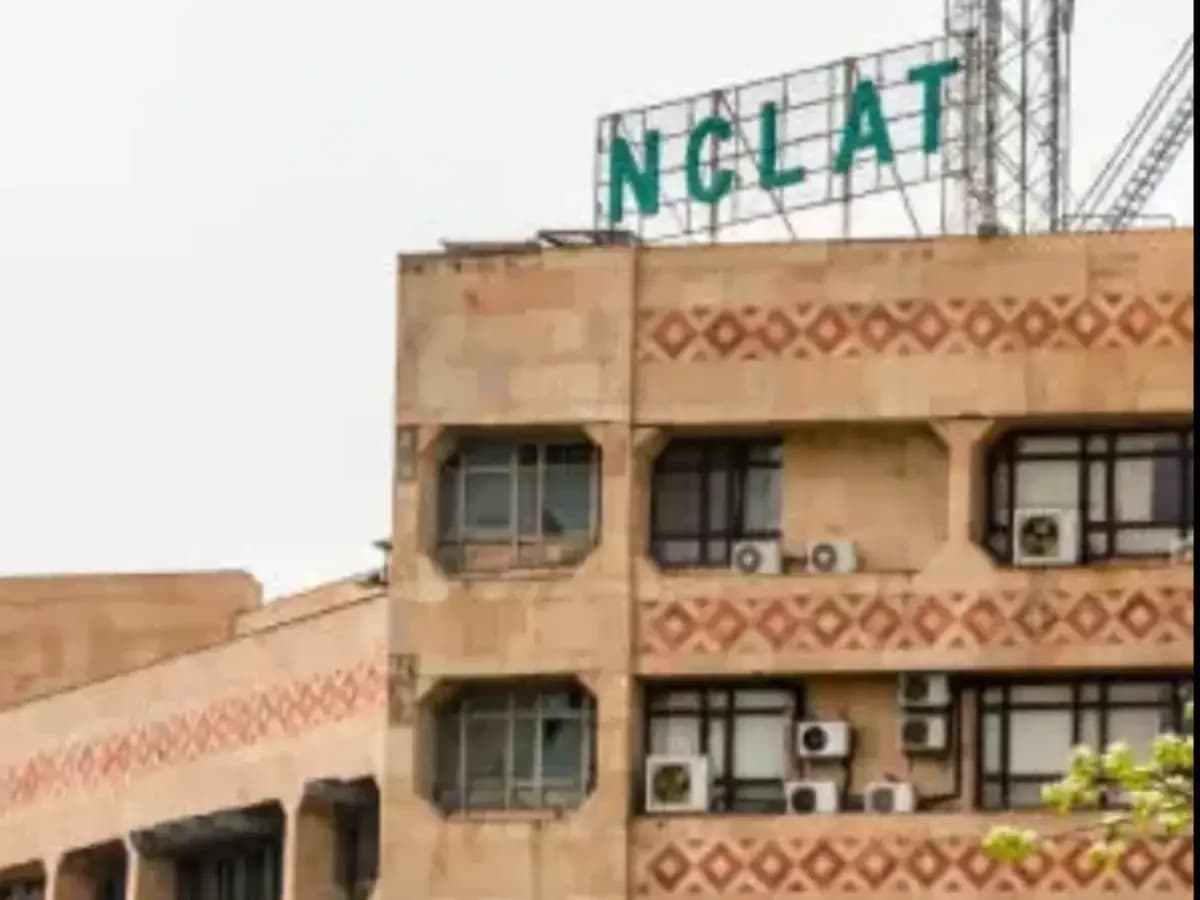
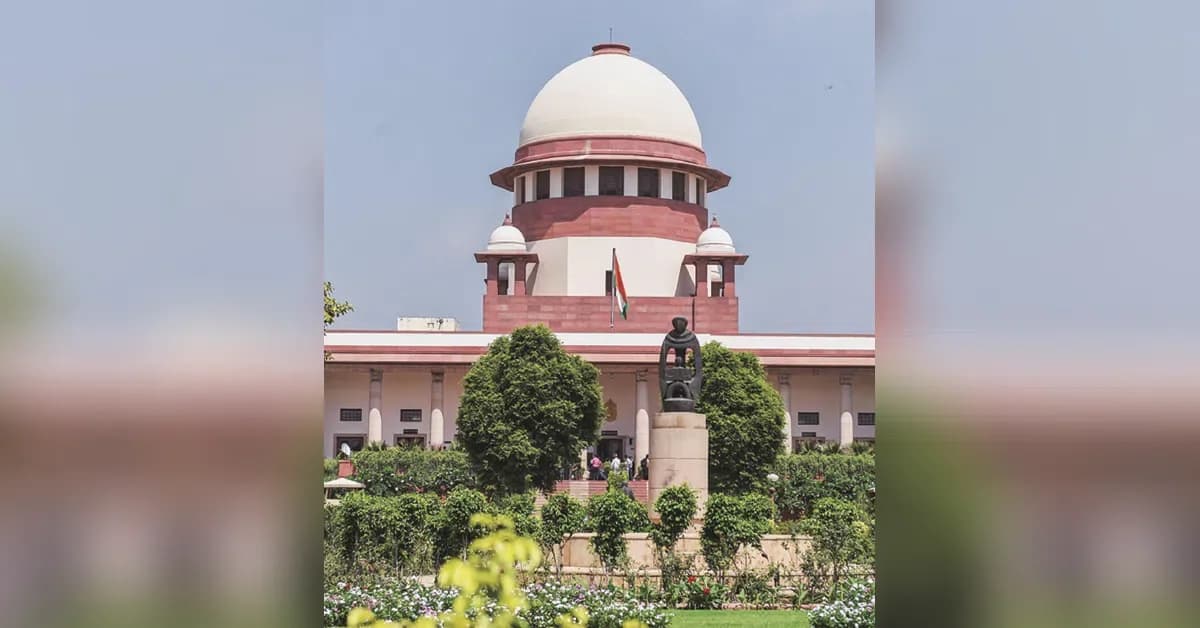
The Supreme Court expressed disappointment on Monday that the National Testing Agency (NTA) has not learned from previous NEET paper leak incidents. According to reports from Business Standard, a bench of Justices PS Narasimha and Alok Aradhe directed that the copy of petitions be served to Solicitor General Tushar Mehta and other parties. The court asked NTA to file an affidavit within three days on compliance of directions issued by the court in 2024. As per the latest court observations, the bench noted that the examination body appeared to have ignored lessons from past controversies. The court stated it was 'sad that they have not learnt their lessons' and emphasized that the matter had previously travelled to the court with a committee making recommendations that were accepted.
The Supreme Court issued notice on a plea filed by the Federation of All India Medical Association (FAIMA) through lawyer Tanvi Dubey, as reported by Business Standard. The top court is tagging all similar matters together and has directed the Centre-appointed committee led by former Indian Space Research Organisation (ISRO) chief K Radhakrishnan for overhaul of NTA functioning to detail steps taken for compliance of its directions. The court has asked petitioners to make available copies of their petitions to Solicitor General Tushar Mehta, while asking the NTA to file an affidavit within three days stating steps taken in view of last year's NEET exam paper leak controversy. Additionally, the court has directed NTA to file an affidavit indicating the position regarding the monitoring committee constituted on November 14. The latest directions came on petitions, including those filed by the Federation of All India Medical Association (FAIMA) and the United Doctors Front, seeking accountability and systemic reforms in the conduct of the NEET-UG examination.
The undergraduate-level National Eligibility cum Entrance Test (NEET) held on May 3 by NTA for admissions to medical education programmes was cancelled on May 12 amid allegations of paper leak, according to Business Standard. These allegations are now being probed by the CBI. The medical body has urged the top court for direct restructuring or replacement of NTA with a robust and autonomous system to conduct NEET-UG, citing a 'direct assault' on the fundamental rights of over 22.7 lakh students through recurring paper leaks. The NEET-UG 2026 examination has been re-scheduled for June 21 following the cancellation, with the matter now listed for hearing on Friday, May 29, 2026. The controversy has once again triggered nationwide debate over the credibility, transparency, and security of India's largest medical entrance examination system.
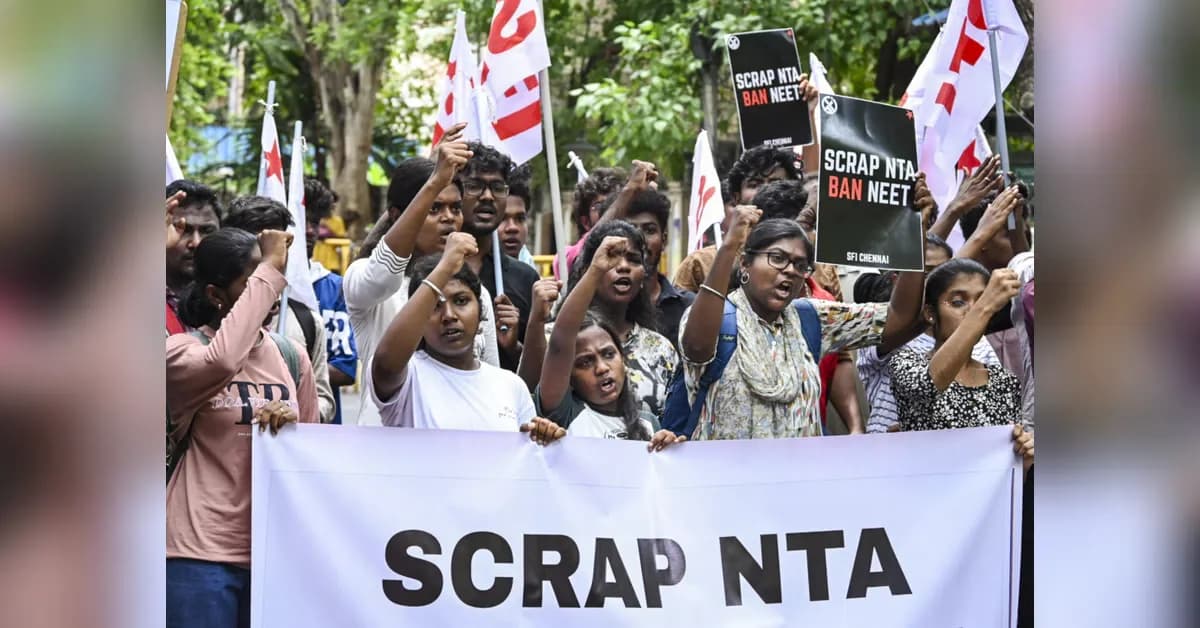
One of the petitions sought immediate transition of NEET-UG to a fully computer-based test mode, contending that the existing pen-and-paper framework involving physical printing, transportation and storage of confidential examination material remained 'inherently vulnerable'. The plea argued that despite recommendations made after the NEET-UG 2024 controversy, the examination continued under 'substantially the same pen-and-paper framework'. It contended that the Union government had already publicly announced that NEET-UG would transition to CBT mode from 2027, which itself amounted to an acknowledgement that 'technological reform and secure digital examination architecture are necessary'. The petition further sought replacement of the NTA with a 'new independent, transparent and professionally regulated National Examination Authority having statutory accountability, judicial oversight and advanced technological safeguards'. Another plea challenged the 'systemic failure' of the NTA and sought dissolution of the agency in its present form as a society registered under the Societies Registration Act, 1860.
FAIMA has sought a direction to appoint a high-powered monitoring committee until a fresh body is formally constituted to oversee the re-examination, as reported by Business Standard. The proposed panel would include a retired Supreme Court judge as chair, along with a cybersecurity expert and a forensic scientist, to ensure that no further leaks occur. The association emphasized that such measures were necessary to prevent future examination leaks and restore public confidence in the medical entrance examination system. FAIMA argued that repeated paper leaks and exam-related irregularities amounted to a 'direct assault' on the rights of more than 22.7 lakh medical aspirants across the country. The latest developments show that investigators found evidence suggesting that a so-called 'guess paper' had been circulated among aspirants weeks before the exam. The petitions have also sought the constitution of a court-monitored committee to oversee reforms in national examinations and implementation of encrypted digital paper transmission systems, biometric verification, AI-based surveillance and stricter cybersecurity protocols.