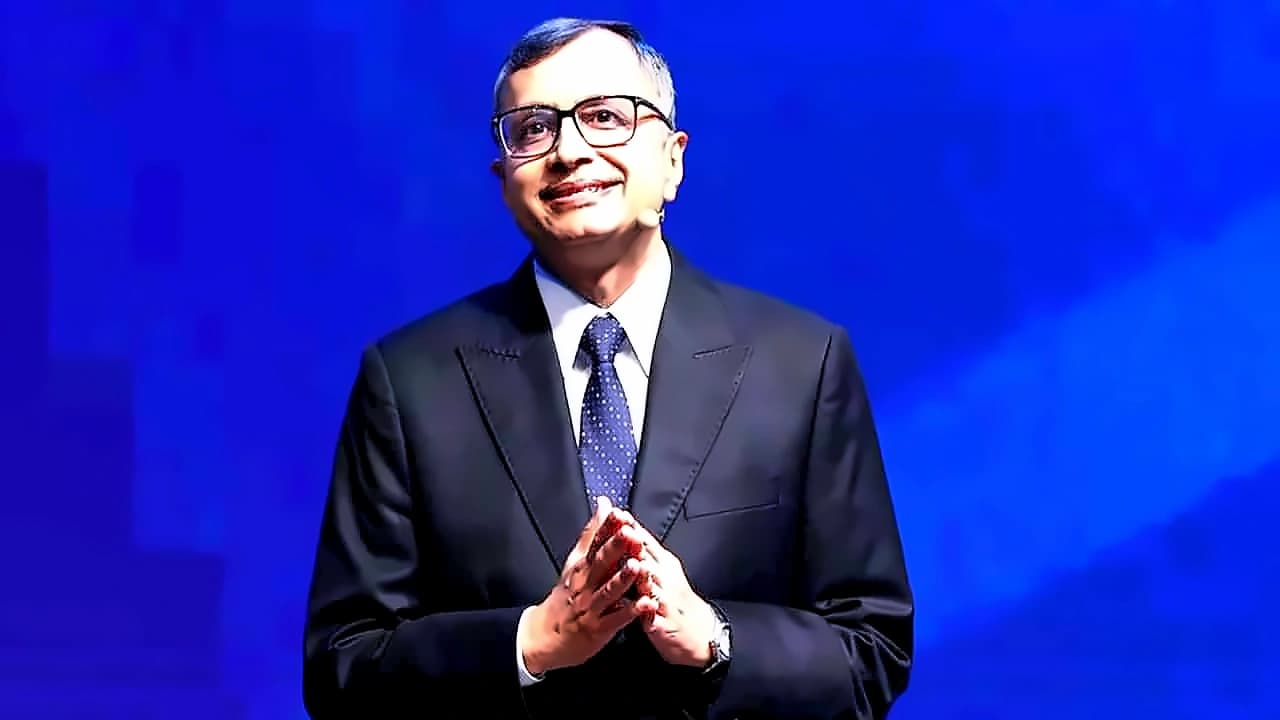
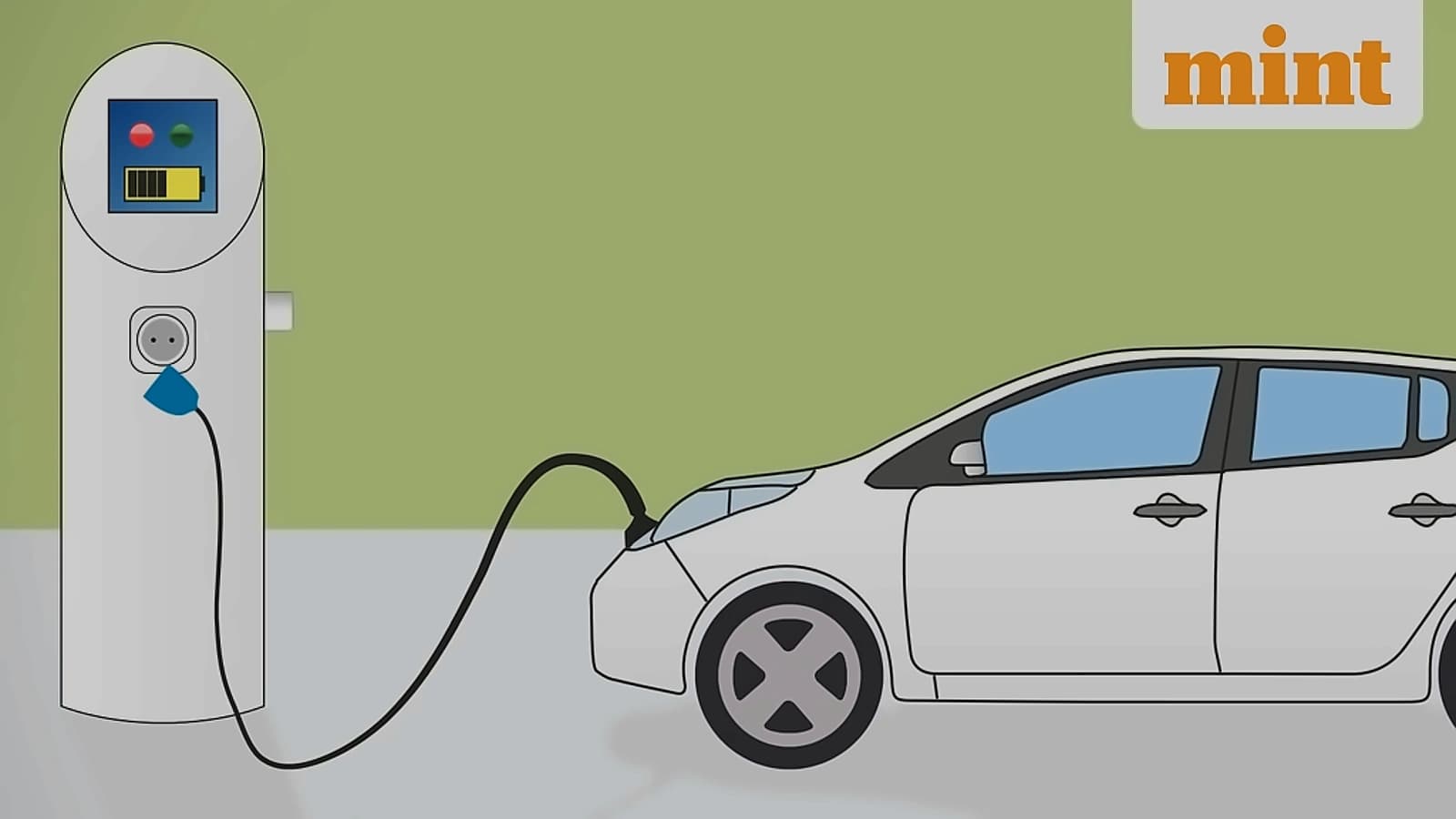
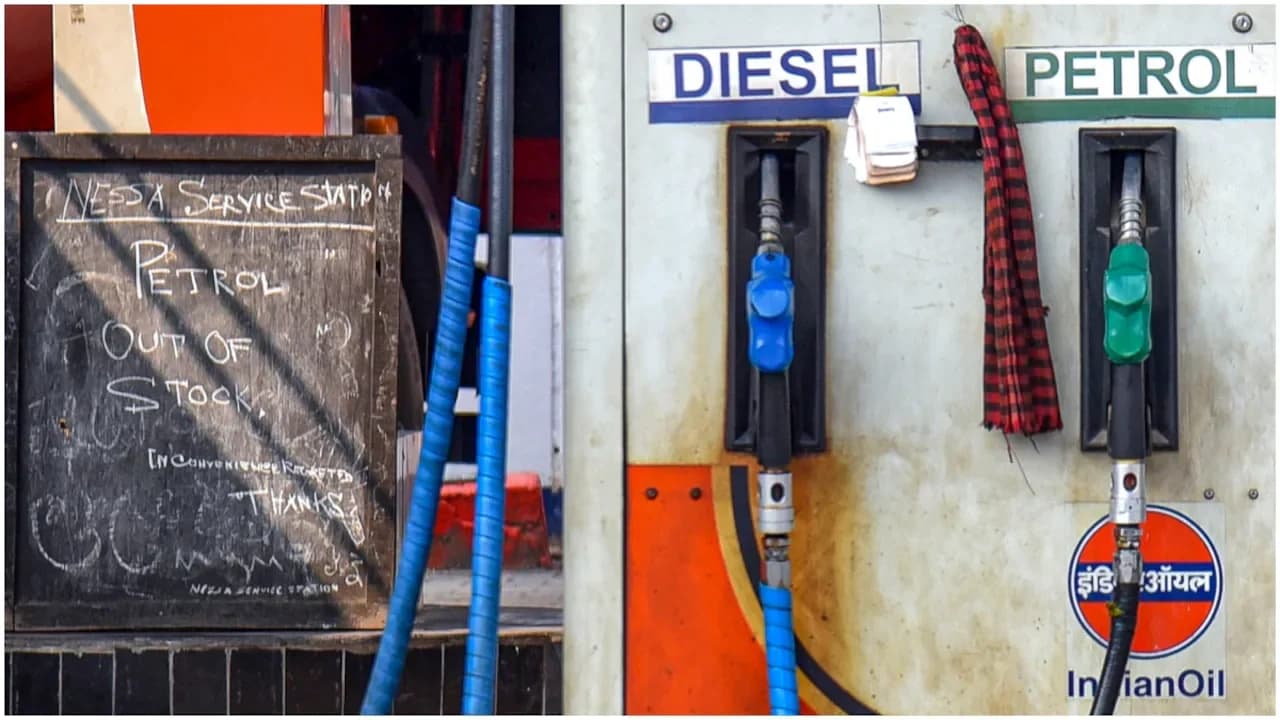
Tarun Kapoor, Advisor to the Prime Minister of India, declared that electric mobility adoption has become the 'most essential task' for India following the West Asia crisis. Speaking at a conference on 'Building India an electric mobility hub for Viksit Bharat' organised by industry body Assocham, Kapoor emphasized that the country has become 'so vulnerable to the external forces as far as energy is concerned'. He noted that 'getting into electric mobility has become the most essential task, which we all collectively have to accomplish' as the crisis has highlighted India's energy vulnerability. According to Rediff Moneynews, Kapoor stated that 'the topic has become even more relevant after the West Asia crisis. Probably, I would say that for our country now getting into electric mobility has become the most essential task, which we all collectively have to accomplish'.
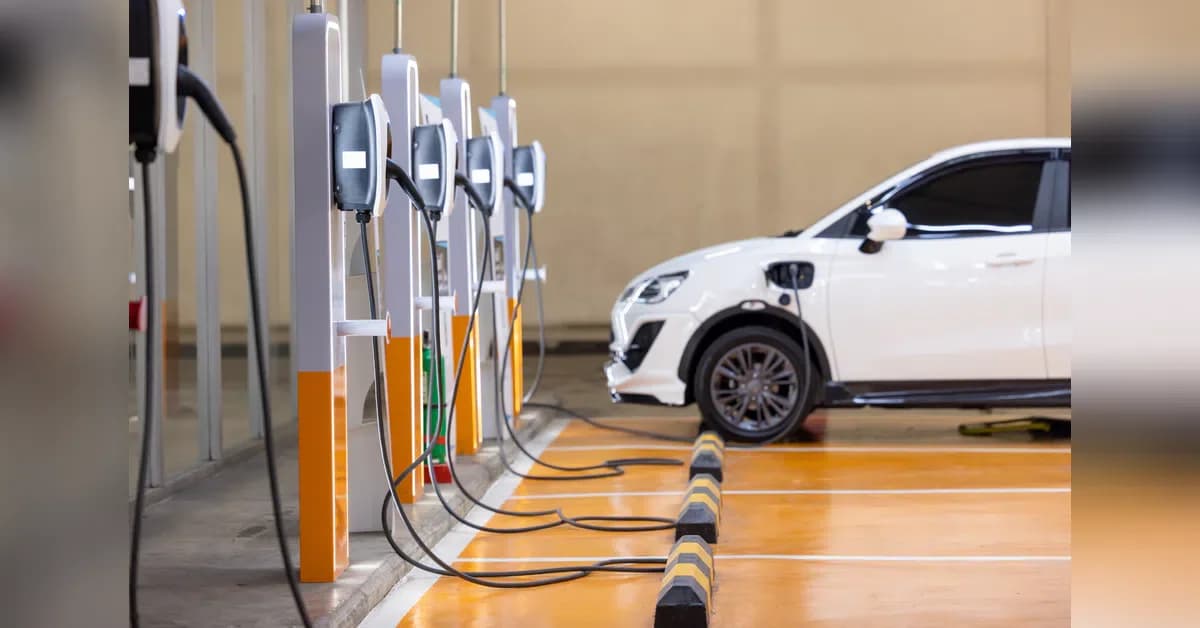
Kapoor outlined significant economic advantages of reducing crude oil imports, stating that 'if India's crude oil imports dropped, it would give a lot more strength to the economy and help the rupee to appreciate'. He acknowledged that 'at least some control, some reduction would certainly help' and emphasized that 'even a 5 per cent reduction would make a huge difference' through rapid transition to electric mobility. Reflecting on market behavior during the crisis, Kapoor said 'We have become so vulnerable to the external forces as far as energy is concerned, which really is something we all have to think about. So now it has become like a mission for all of us'. The advisor stressed the need for 'self-reliance while adopting electric mobility' and called for 'reducing imports from China for critical parts' while pushing for electric mobility adoption.
According to Kapoor's assessment, India has gradually adopted electric mobility with two- and three-wheeler segments showing significant traction. He highlighted that '60 per cent petrol is used by two-wheelers' and emphasized that 'getting (electric mobility) into two-wheelers very fast, bringing about that transition is important'. The advisor noted that 'in four-wheelers we still have a long way to go' but praised the recently announced Delhi EV policy as a step in the right direction. He stressed that 'the largest segment for us, as far as petrol is concerned, 60 per cent petrol is used by two-wheelers' making this transition particularly crucial. As per Rediff Moneynews, Kapoor added that 'the recently announced Delhi EV policy is a step in the right direction'.
Kapoor emphasized the need for 'domestic production so that the industry does not suffer when China restricts exports' of critical components and minerals. He assured 'government's support to the industry in order to achieve the goals of self sufficiency' while calling for 'accelerating adoption of EVs with a very fast targeted approach'. The advisor set ambitious targets, stating that 'we have to set very strong targets, and we have to achieve them... it has to be several times the current capacities and several times the current production'. He projected that 'within the next five years, we should see that on the roads the visibility of electric vehicles becomes so significant that the world notices that at least in India something great has happened'. He also urged the industry to 'scale up investments in the sector' to support this rapid transformation.