Prime Minister Narendra Modi chaired the 11th Governing Council meeting of NITI Aayog on Thursday, June 11, 2026 at the Rashtrapati Bhavan Cultural Centre in New Delhi. The day-long meeting, scheduled from 9:15 AM to 5:00 PM, came at a crucial juncture as India navigates emerging global uncertainties, particularly the ongoing crisis in West Asia, which has triggered concerns over energy security, supply chains and overall economic stability. This year's Governing Council meeting brought together chief ministers and lieutenant governors to discuss the 'Inclusive Human Development Framework', anchored around four core pillars. According to latest reports, this meeting focused on the 'Inclusive Human Development for Viksit Bharat @2047' theme, which emphasizes the well-being and development of every Indian, regardless of age, region, gender, or socio-economic background, in line with the Prime Minister's vision of 'Team India' for a Viksit Bharat. The Governing Council of NITI Aayog will also focus on the recommendations of the 5th National Conference of Chief Secretaries held from December 26 to 28, 2025, with the meeting attended by Chief Ministers of states and UTs, Lit Governors/Administrators of Union Territories, Union Ministers as Ex-officio Members and Special Invitees, and the Vice Chairman, Members and the CEO of NITI Aayog. As per NITI Aayog, this was the first time when CMs of all 28 states participated in the meeting, marking a significant milestone in Centre-state coordination.
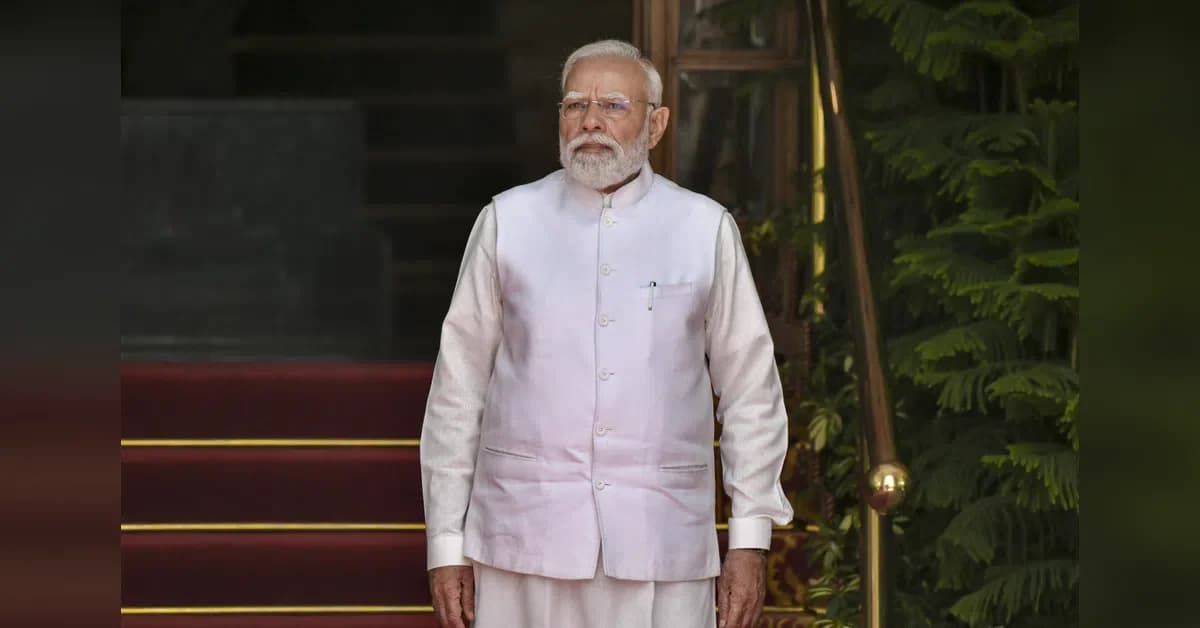
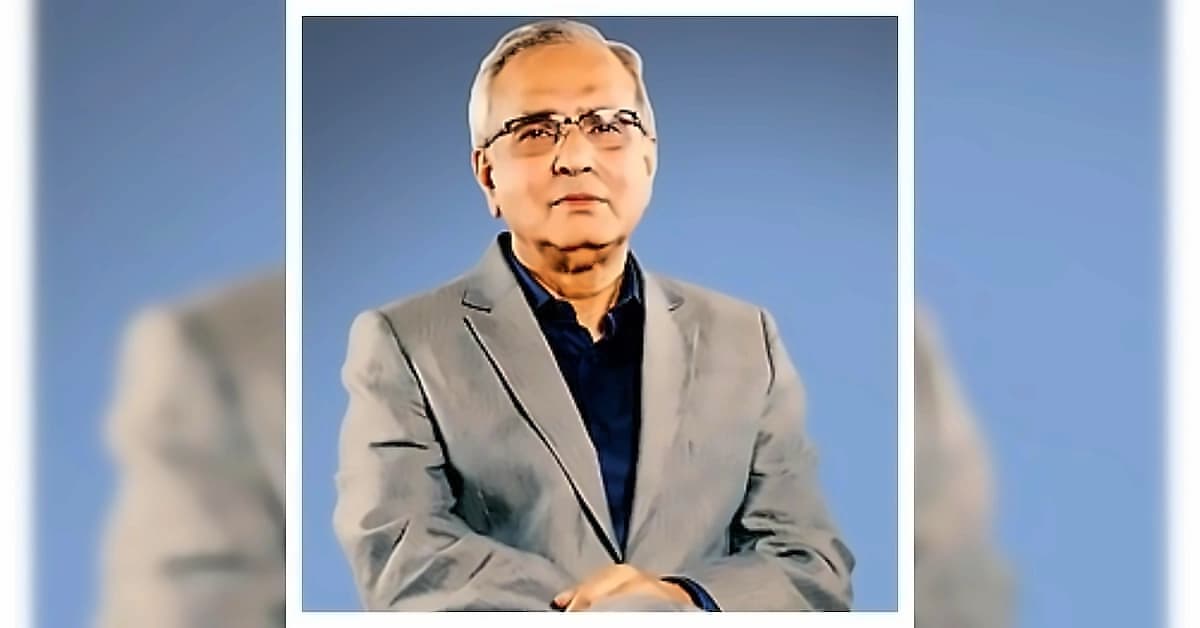
At the meeting, Prime Minister Modi urged states to set 100-day and long-term targets for Viksit Bharat 2047, emphasizing the need for a structured approach to achieve the national vision. According to NITI Aayog, Modi highlighted that "The states have a paramount role in realising the dream of a Viksit Bharat. In this context, highlighted the need for a monitoring framework and the states to set targeted 100-day, five-year, 10-year goals that will help achieve the vision of Viksit Bharat." The PM stressed that cooperation, dialogue, and sharing should guide interactions among the States, with NITI Aayog playing an important role as a platform for collaboration to enable states to exchange ideas and work together towards the vision of Viksit Bharat. Modi emphasized that the vision of Viksit Bharat should become the collective resolve of every state, district, block and village, ensuring accountability and measurable impact in achieving inclusive human development objectives. NITI Aayog Vice Chairman Ashok Kumar Lahiri confirmed that no chief minister asked for any specific assistance to deal with the situation created due to the West Asia crisis, as reported by PTI.
Energy security and competitive power pricing emerged as key priorities at the meeting, with policymakers stressing that India must remain focused on its growth agenda despite the ongoing crisis in West Asia and other geopolitical uncertainties. Addressing reporters after the meeting, NITI Aayog Vice Chairman Ashok Kumar Lahiri said India was playing its role amid the West Asia tensions but "cannot be paralysed" by the crisis, underlining the need to maintain momentum on economic growth and development priorities. The high-level meeting, attended by Chief Ministers of all 28 states, Union Ministers and senior policymakers, devoted significant attention to energy affordability, manufacturing and human development. Lahiri said several Chief Ministers, along with PM Modi, discussed ways to make energy prices more competitive to support economic growth and industrial expansion. Participants also deliberated on expanding rooftop solar installations across schools, hospitals and public institutions, while addressing subsidy-related challenges to ensure long-term sustainability. Nuclear energy figured prominently in discussions as India looks to diversify its energy mix and meet rising power demand, with NITI Aayog Member Abhay Karandikar highlighting the growing role of private sector participation in the nuclear ecosystem following recent policy initiatives. According to Lahiri, "Members (CMs) also said nuclear energy is now safe. We don't have to worry about Japan (the 2011 Fukushima nuclear disaster) or Chernobyl (nuclear disaster of 1986 in Ukraine)."
Addressing emerging sectors, Modi urged states to focus on emerging sectors such as data centres and artificial intelligence, emphasising that AI should be viewed as an opportunity rather than a challenge. Highlighting the importance of good governance, transparency, and infrastructure for attracting investment, Modi urged states to focus on branding, ease of doing business, and emerging opportunities in sectors such as data centres and artificial intelligence. According to NITI Aayog, Modi called for greater efforts to equip people with the skills required for the future economy and emphasized that "Creating the right ecosystem for our youth through quality education, demand-driven skilling and employment opportunities must remain a priority. Empowered youth will be the driving force behind our journey towards #ViksitBharat." The PM also advised states to prioritise education, skilling, safety and empowerment of women to unlock their full potential and drive India's development journey. He called upon states to work towards increasing the number of Lakhpati Didis from three crore to six crore and stressed the importance of ensuring a safe and secure environment for Nari Shakti. NITI Aayog Vice Chairman Ashok Kumar Lahiri noted that "The PM also stressed on how grievance disposal needs to be quick and ease of doing business must be ensured. Decriminalisation at the city level for ease of doing business was discussed."
Modi drew attention to concerns arising from El Niño conditions and appealed to states to promote water conservation and encourage natural and organic farming practices. He noted that the purchase of 1.1 million tonnes (MT) of organic manure by farmers during the current Kharif season reflected growing confidence in sustainable agriculture. On the lines of aspirational districts, Modi said 100 districts should be identified in the field of agriculture to bring positive results, urging states to take the lead on this so that a phenomenal change can be achieved through the aspirational approach. NITI Aayog Vice Chairman Ashok Kumar Lahiri revealed that Tamil Nadu CM Vijay told the council that the state aims to become a $1.5 trillion economy by 2035. The NITI Aayog stressed the need for more participation by industry on skilling, with Lahiri stating that "Industrialists complain about skill sets not being available. As new technology comes, we have to adapt. The other thing that was emphasised was participation of industry. We must know from the industry what skill sets they want."
The discussions focused on collectively charting an implementation roadmap that leverages key enablers, including governance, digital public infrastructure (DPI), convergence, partnerships, and data-driven systems, alongside a structured mechanism to track short, medium, and long-term outcomes. According to NITI Aayog member KV Raju*, "The PM said all states should double up GDP (gross domestic product) estimation at the district level and Uttar Pradesh has been doing it for six years. That (district estimates) will come up in the coming months and years." As reported by Business Standard, measures to promote entrepreneurship, enhance skilling, and create sustainable employment opportunities across the country will also be deliberated upon in the meeting. NITI Aayog member Rajiv Gauba added that quality of life in cities was also a major theme during the discussions, with the PM stressing "all states should double up GDP (gross domestic product) estimation at the district level" and noting that 20 states have developed their Viksit (Developed) State by 2047 documents, in line with the Centre's own Viksit Bharat 2047 vision, and 10 more state visions are expected.