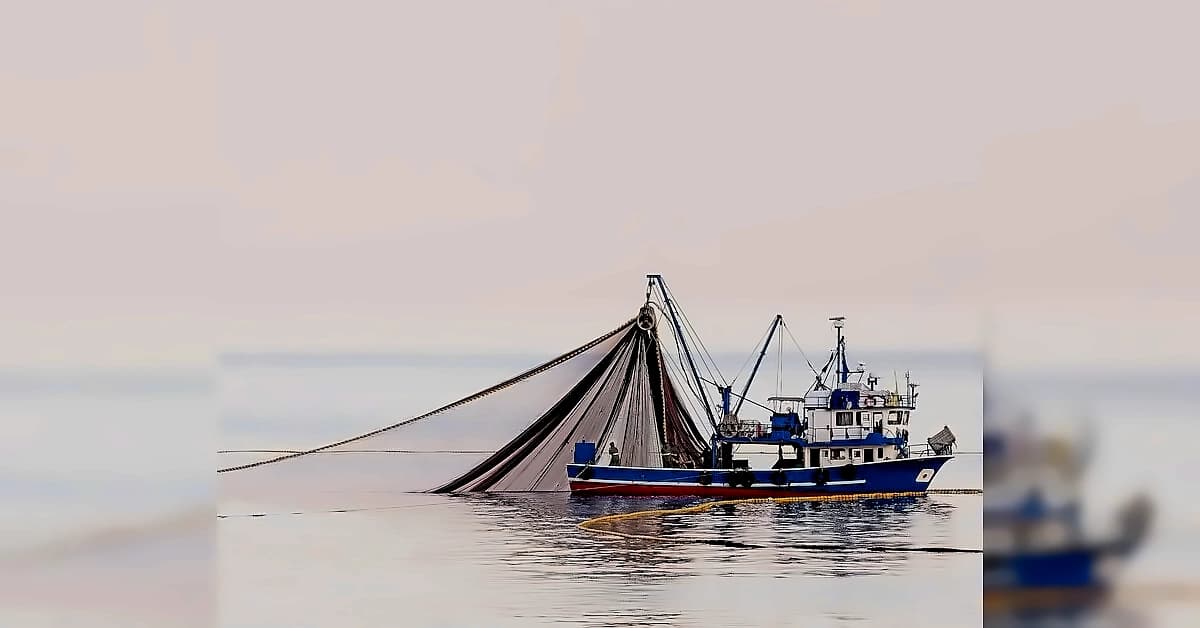
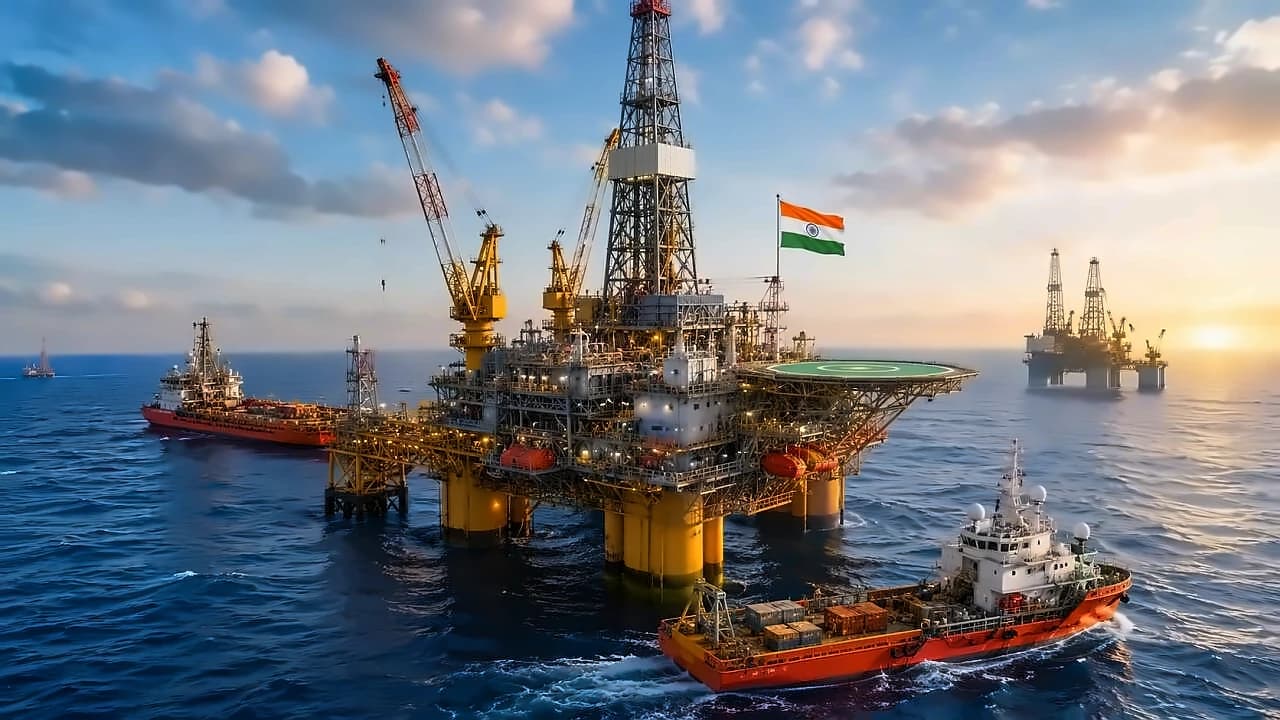
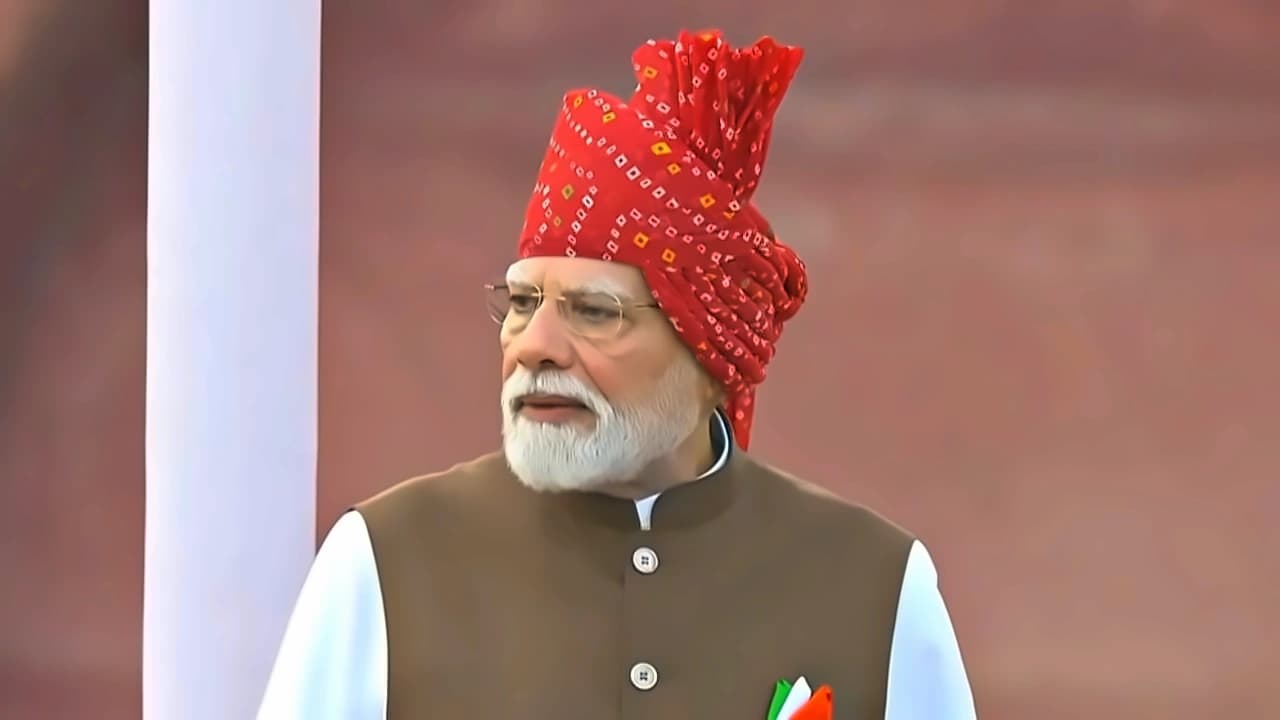
Prime Minister Narendra Modi announced during his Independence Day speech that India has opened up almost its entire coastal waters for exploration as part of efforts to identify new mineral reserves. Addressing the nation from the ramparts of the Red Fort during the 80th Independence Day celebrations in New Delhi, PM Modi described this as a significant policy reversal, stating that nearly 99% of India's coastal waters had earlier been classified as 'no-go areas,' effectively ruling out offshore exploration. He described this as a 'poverty of thought' and said the government had decided to change that approach, converting areas once designated as 'no-go zones' into 'go-ahead areas' for active exploration. As per The Times of India, PM Modi emphasized that most of these coastal areas have now been opened for exploration under the 'Samudra Manthan' initiative.
To accelerate offshore exploration, the government approved Samudra Manthan – the National Offshore Exploration Scheme on July 31, 2026. The scheme has been allocated ₹85,000 crore for Phase I, covering the period up to FY2030-31, with the objective of accelerating hydrocarbon exploration and production across the country. PM Modi announced that last year, we announced the 'Samudra Manthan' initiative to advance this effort, and recently, we decided to accelerate the work by allocating ₹85,000 crore for this purpose. The Prime Minister stated that we have now opened up those areas--previously off-limits--as 'go-ahead areas,' and the country is actively pursuing exploration and discovery of new reserves beneath the sea.
India currently ranks as the world's third-largest consumer of crude oil, with an annual import bill of nearly $144 billion, equivalent to around ₹13 lakh crore. Recent geopolitical conflicts that disrupted global oil and gas supplies have underscored the importance of increasing domestic production to meet the needs of the country's fast-growing economy. PM Modi emphasized that India must focus on both alternative energy sources and more efficient use of energy to ensure long-term energy security.
India's offshore sedimentary basins are believed to contain substantial untapped hydrocarbon reserves. These basins are natural geological depressions where oil and gas accumulate over time, and unlocking these resources will require advanced exploration technologies, dependable geological data, modern drilling infrastructure and a robust domestic supply chain. The Central government estimates that a significant portion of India's future oil and gas reserves is expected to come from offshore regions, with the country's eastern and western offshore basins including deepwater and ultra-deepwater zones extending to depths of nearly 3,000 metres. Together, these offshore areas are estimated to hold more than 5,600 MMTOE (Million Metric Tonnes of Oil Equivalent) of hydrocarbon resources.