India has introduced the Letter of Authorisation (LoA) under the Guidelines for Sustainable Harnessing of Fisheries in the High Seas by Indian-Flagged Fishing Vessels, 2025. According to reports from Business Standard, this vessel-specific, non-transferable digital authorisation enables Indian-flagged vessels to venture into deeper waters beyond the country's Exclusive Economic Zone (EEZ) of 200 nautical miles from the coastline. The framework requires formal legal authorisation for fishing in international waters governed by Regional Fisheries Management Organisations (RFMOs), unlike conventional fishing licences issued by coastal states.
The new authorisation opens access to tuna and other high-value species in the deep ocean. As reported by Business Standard, globally, tuna represents one of the most valuable commercial fishes with annual production of over seven million tonnes and an international market valued at around $47 billion. India has an oceanic resource potential of 270,000 tonnes and an estimated marine fisheries potential of 5.86 million tonnes, yet actual harvest remains well below these levels due to lack of specialised vessels. The country has invested more than ₹39,000 crore in fisheries in the past decade, resulting in over 100% growth in fish production and record seafood exports of ₹73,890.46 crore in 2025-26.
According to Business Standard, India has 224,985 registered fishing vessels comprising 64,727 mechanised vessels, 121,005 motorised vessels, 39,111 non-motorised vessels and 142 deep-sea vessels across 13 coastal states and UTs. The government has issued 9,650 access passes and 14 LoAs, of which 10 recipients are members of cooperative societies. Union Minister Rajiv Ranjan Singh described the LoA as a historic milestone that could create new avenues for fisherfolk and strengthen seafood exports while reinforcing India's ambitions of becoming a major Blue Economy power.
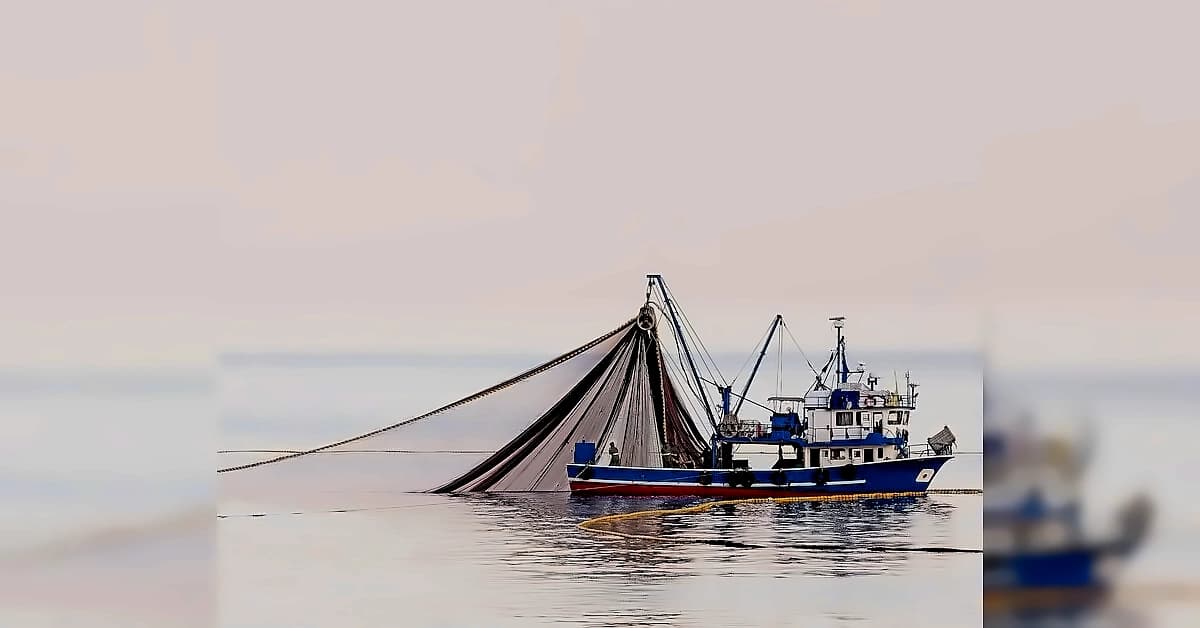
The framework addresses international market requirements for certified seafood sourced from fisheries complying with international conservation standards. As reported by Business Standard, the online application process allows vessel owners to submit applications, monitor approvals and renew authorisations without cumbersome paperwork. However, successful implementation requires substantial investment, with deep-sea fishing vessels costing ₹80 lakh to ₹1.80 crore. Industry experts believe government-backed credit support, interest subsidies and capacity-building programmes will be necessary to ensure smooth transition, as inadequate harbour, landing, insurance and risk-management issues remain major constraints.