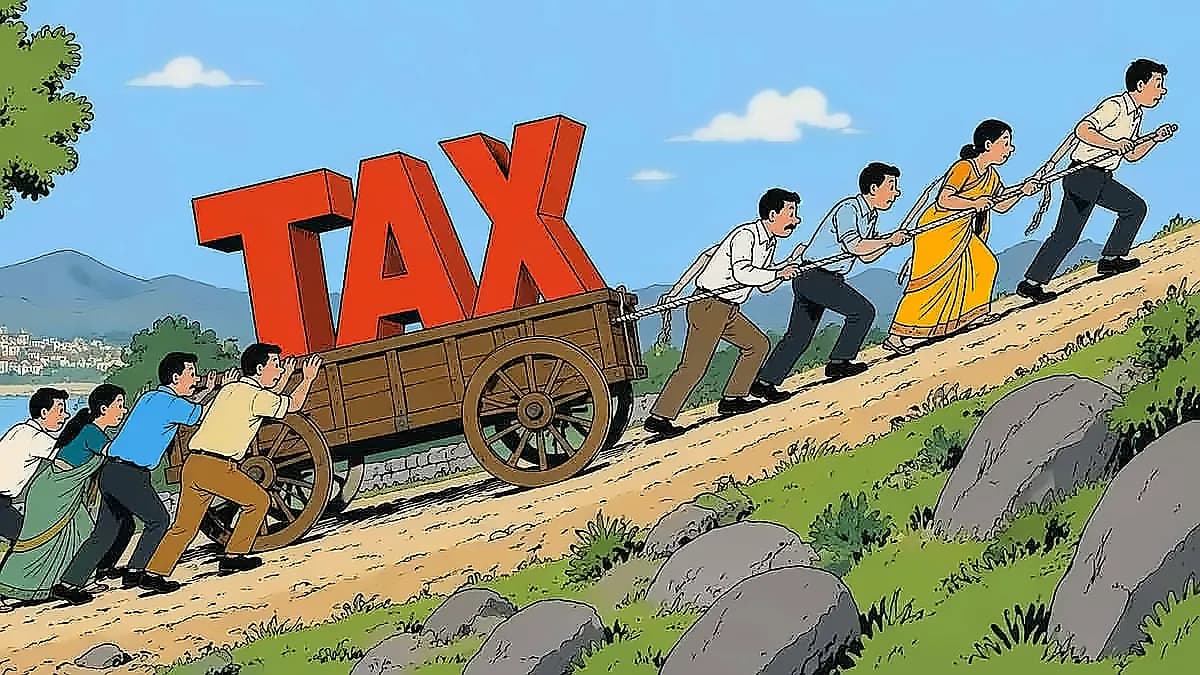
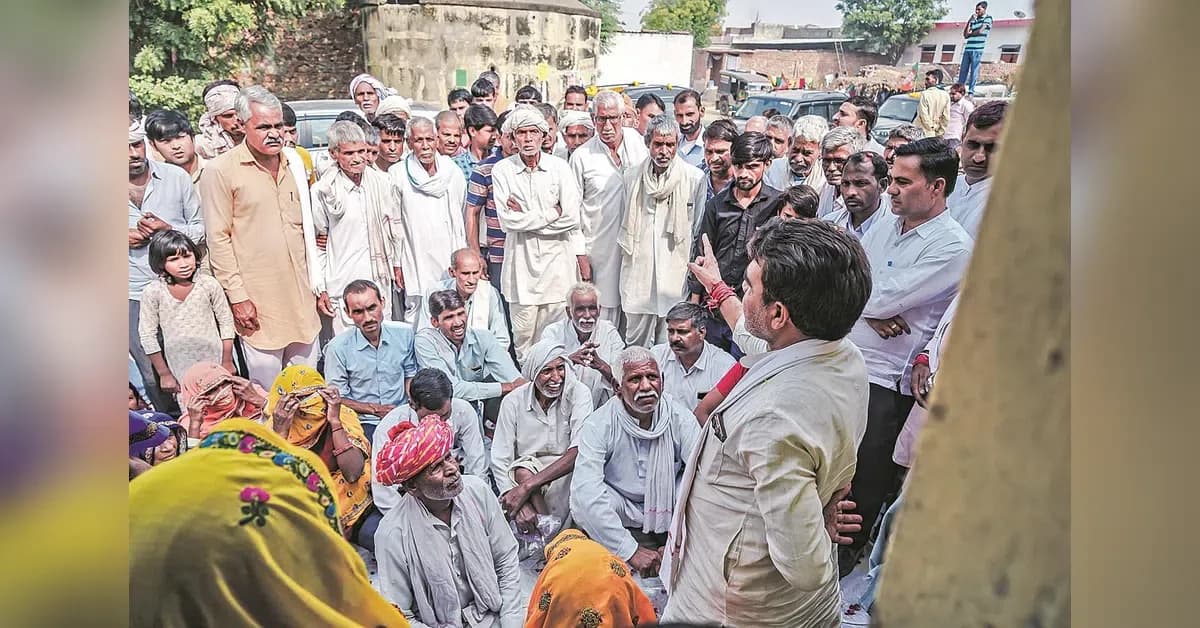
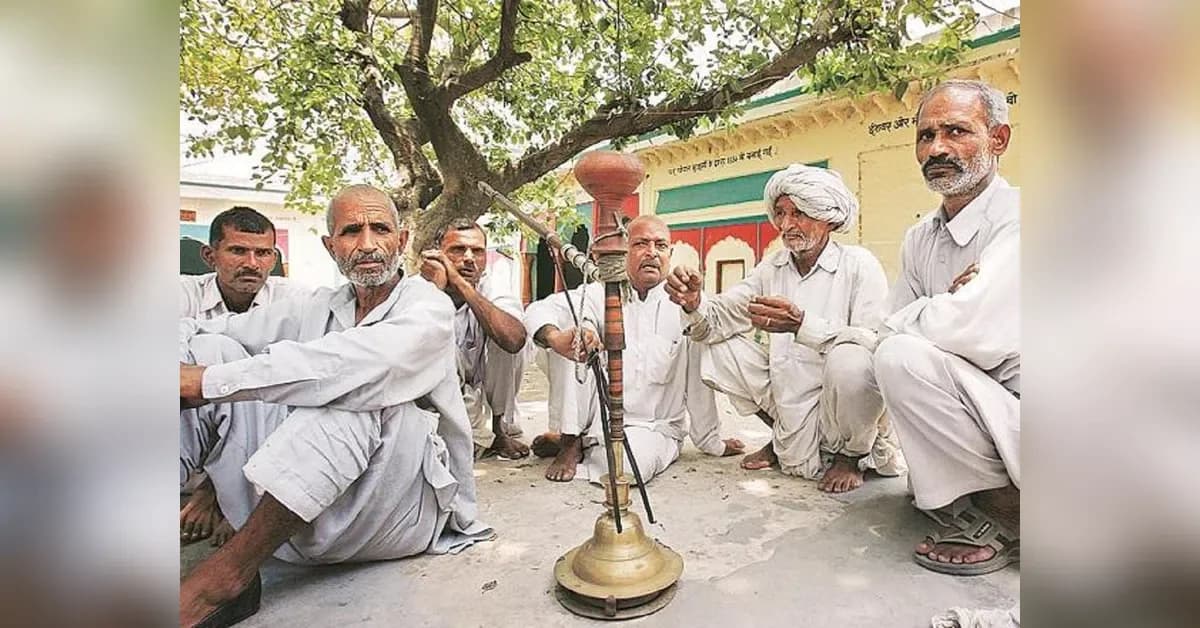
Panchayats across India generate minimal revenue despite their mandate to deliver basic services and implement development programmes. According to data from the Ministry of Panchayati Raj, panchayats collected ₹25,595 crore as OSR (Own Source Revenue) between 2017-18 and 2021-22, amounting to just ₹59 per capita annually across 30 states and Union Territories. The data reveals significant disparities, with about 42% of gram panchayats collecting less than ₹1 lakh as OSR in FY22, while the average annual OSR of gram panchayats was around ₹2.3 lakh. The revenue collection varies dramatically across states, with OSR accounting for just 1% of gram panchayat receipts in Uttar Pradesh compared to 40% in Andhra Pradesh.
The revenue shortfall stems not only from limited sources but also weak capacity to utilise existing powers. Many states have empowered panchayats to levy taxes, fees and user charges, but collection remains negligible. According to a study by the National Institute of Public Finance and Policy (NIPFP), property tax accounts for around 40% of OSR among local bodies worldwide, highlighting its potential as a stable revenue source. However, property tax remains underdeveloped due to weak property records, outdated assessment systems, and poor enforcement mechanisms. Revenue mobilisation is closely linked to village economic conditions, with panchayats having larger populations, greater commercial activity, and higher incomes showing stronger tax bases.
The performance gap reflects both economic conditions and administrative systems. Panchayats closer to towns perform better due to greater economic activity and higher property values, explaining why southern and western states have generally outperformed northern states. This trend is aided not only by stronger economies but also by clearer rules and better administrative systems. The economic environment of villages significantly influences revenue generation capabilities, with panchayats in economically stronger regions having access to more diverse revenue sources and better administrative infrastructure.
While financial self-reliance requires greater decentralisation and improved fiscal powers, grants remain essential for ensuring equity. Poorer villages with limited economic activities cannot generate revenues comparable to economically stronger panchayats. The government's proposed OSR guidelines and performance-linked grants under the Sixteenth Finance Commission represent steps in the right direction. However, fiscal empowerment requires more than standardised rules, including trained personnel, digital systems for tax administration, better management of common assets such as ponds and markets, and greater autonomy in deciding local priorities. Overall, there is a strong case for empowering panchayats with greater decentralisation, improved fiscal powers, and comprehensive capacity building.