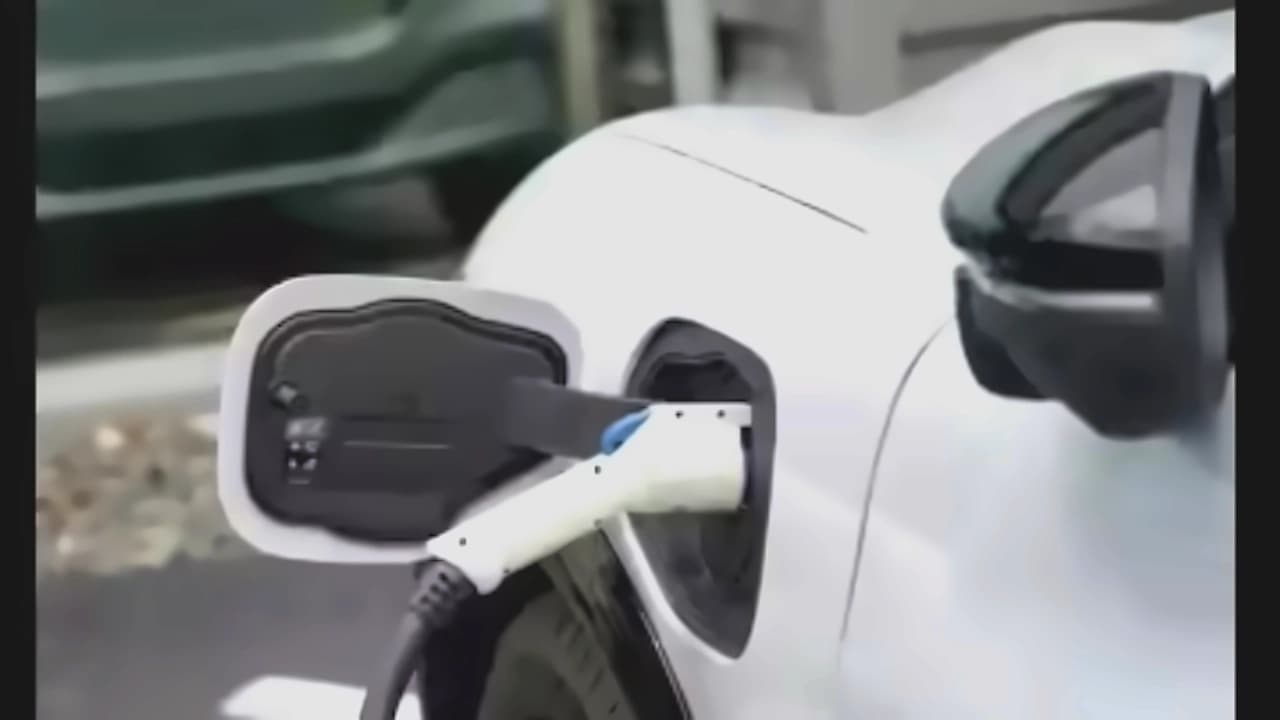
Odisha has established a tiered procurement ceiling system for official electric vehicles, with the maximum cost fixed at ₹30 lakh for senior officials including the Governor, Chief Minister, Chief Justice, and ministers. According to the Finance Department office memorandum, ₹25 lakh has been set for Chief Secretary, Development Commissioner, Agriculture Production Commissioner, additional chief secretaries, principal secretaries, commissioner-cum-secretaries and officers of equivalent rank, while ₹20 lakh applies to district collectors, superintendents of police, and district judges. The prices exclude taxes and statutory dues, with procurement requiring prior departmental concurrence and replacement only after existing vehicles complete their lifespan.
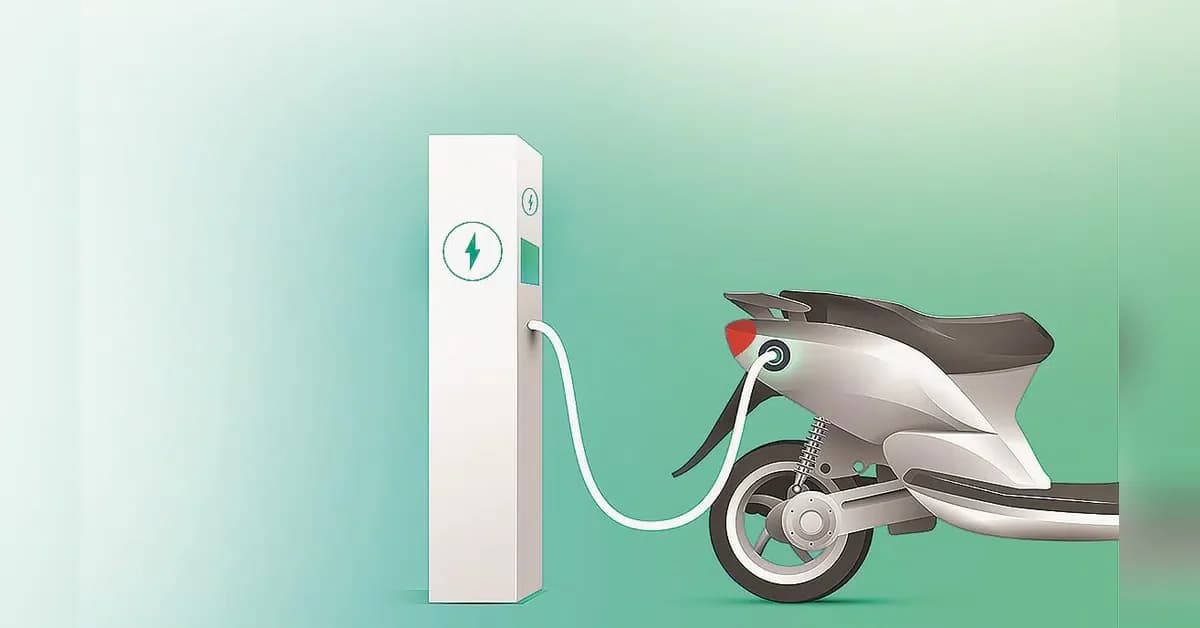
The mandatory EV procurement policy applies to all departments, public sector undertakings, institutions, universities, and societies under the state government from June 1, 2026. Only vehicles manufactured by Tata Motors, Mahindra, and Maruti Suzuki will be eligible for procurement, with the 'one-officer, one-vehicle' principle strictly enforced to prevent excess deployment. The decision addresses fuel expenditure concerns and energy security while supporting the state's clean mobility agenda amid the West Asia crisis and rising fuel costs. While the order makes EV procurement the norm, purchase of petrol or diesel vehicles will be permitted only under exceptional circumstances from June 1 onwards.
Odisha currently maintains 6,241 government vehicles that are more than 15 years old and scheduled for scrapping under the vehicle scrappage policy. The mandatory EV procurement policy is expected to ensure substantial portion of the replacement fleet transitions to electric mobility. The state is undertaking large-scale replacement of its ageing government fleet while implementing stricter vehicle management protocols to improve operational efficiency as part of broader efforts to reform official vehicle management.
The Centre for Modernising Government Initiative (CMGI) has recommended the formulation of an Odisha Centralised Contractual Vehicle Management Policy (OCCVMP) to address current inefficiencies. The proposal, sent by Governance Advisor Chaudhuri Amit Kabi to Chief Secretary Anu Garg, notes that more than 40 government departments currently procure contractual vehicles independently, resulting in higher costs, duplication, and weak accountability. The CMGI recommends establishing a Centralised Vehicle Procurement Cell (CVPC) to handle contractual vehicle hiring, with at least 50% of contractual vehicles initially being EVs, increasing by 25 percentage points annually to achieve 100% electric fleet by 2029. A centralised procurement mechanism would enable economies of scale, reduce corruption risks and improve transparency in vehicle deployment.
The CMGI proposal includes deployment of the 'e-Odisha Vahana Tracker' platform featuring GPS-based digital monitoring with tamper-proof devices. According to the proposal, this system could reduce contractual vehicle expenditure by 15-20% through bulk procurement and improved oversight. The digital platform would provide real-time tracking, route history, fuel consumption data, and automated digital logbooks while integrating with the Finance Department for app-verified vendor payments, enabling departments to focus on core governance functions rather than vehicle management.