NITI Aayog will undertake a comprehensive assessment of 49 national missions to evaluate their relevance and effectiveness, according to latest reports. The exercise will examine whether the missions should continue in their existing form, undergo restructuring, be consolidated, or merged where necessary. The assessment will also seek to identify operational, institutional, financial, and coordination-related bottlenecks affecting their implementation, with recommendations on continuation, restructuring, consolidation or merger to be submitted to ministries by the end of FY27.
The missions under review include the National Critical Mission, National Energy Mission, National Health Mission, Ayushman Bharat Digital Mission, India Semiconductor Mission, Skill India Mission, National Food Security Mission and Swachh Bharat Mission, among others. As reported by Economic Times, the missions have been divided into five thematic groups to facilitate the assessment. The first group covering urban development, water and sanitation comprises 10 missions, while the agriculture, allied activities, and rural development category has 13 missions. The third and fourth group each have 8 missions, and the fifth group comprises 10 missions.
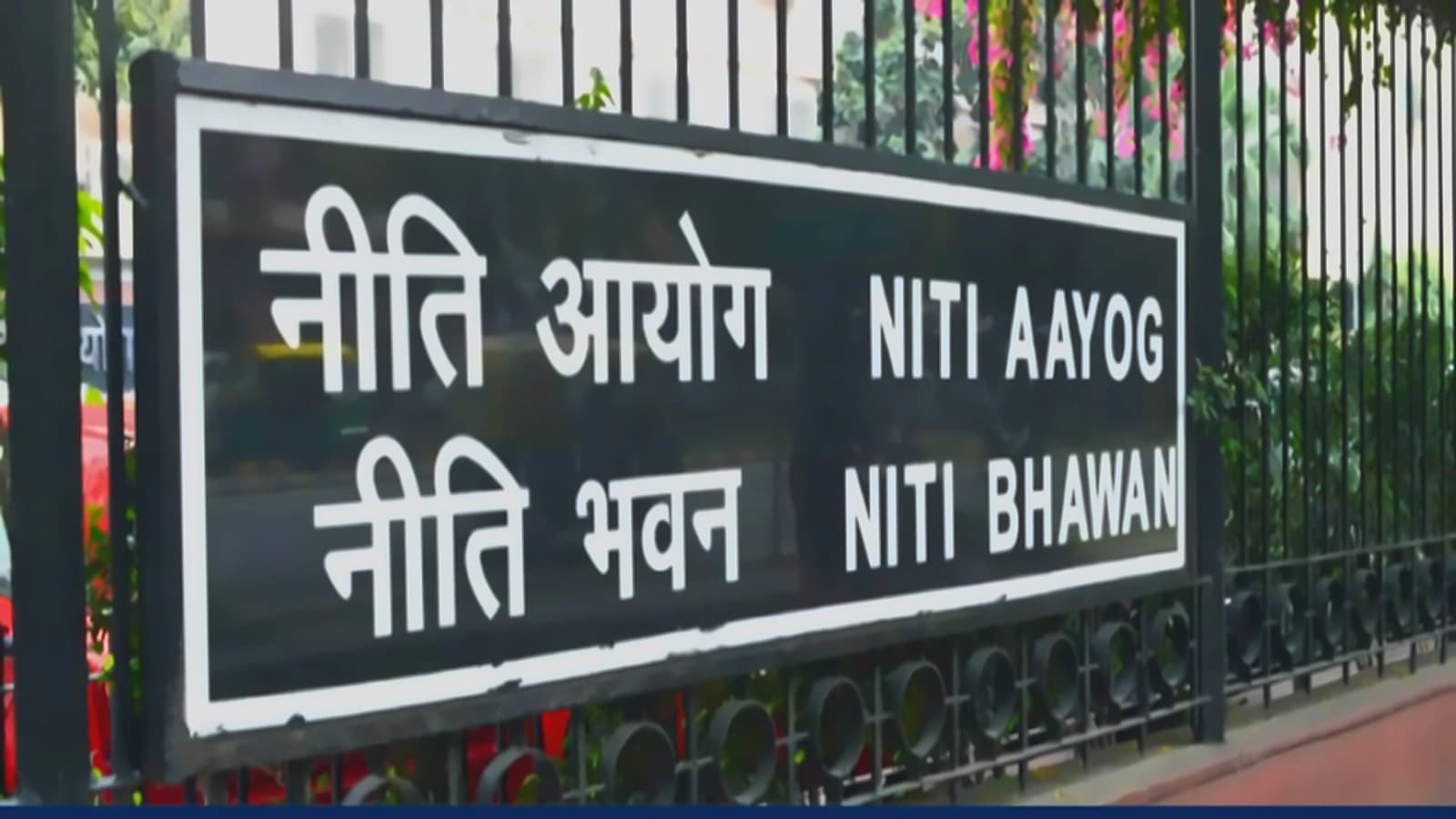
According to a senior government official quoted by Economic Times, the missions have been organized into five thematic groups covering urban development, water, sanitation and environment; agriculture, allied activities and rural development; digital technology, innovation, education and skills; health, biotechnology, AYUSH and culture; and energy, strategic resources, science and emerging industries. The assessment will help the government identify gaps in implementation and introduce corrective measures, including changes to implementation frameworks and measures to address ground-level constraints. The proposed exercise aims to undertake an evidence-based assessment to identify opportunities for course correction and optimise public expenditure.
NITI Aayog will soon invite bids to conduct the assessment and plans to submit its recommendations to the respective ministries by the end of the current financial year, as reported by Economic Times. The proposed exercise aims to enable evidence-based decisions on the future of the missions, optimise public expenditure and eliminate duplication. It will also examine overlapping mandates and identify opportunities for convergence between programmes to improve administrative efficiency and effectiveness. The government views this critical analysis as important to help establish accountability and facilitate informed policy decisions while identifying operational, institutional, financial and coordination-related bottlenecks to enable appropriate corrective measures.