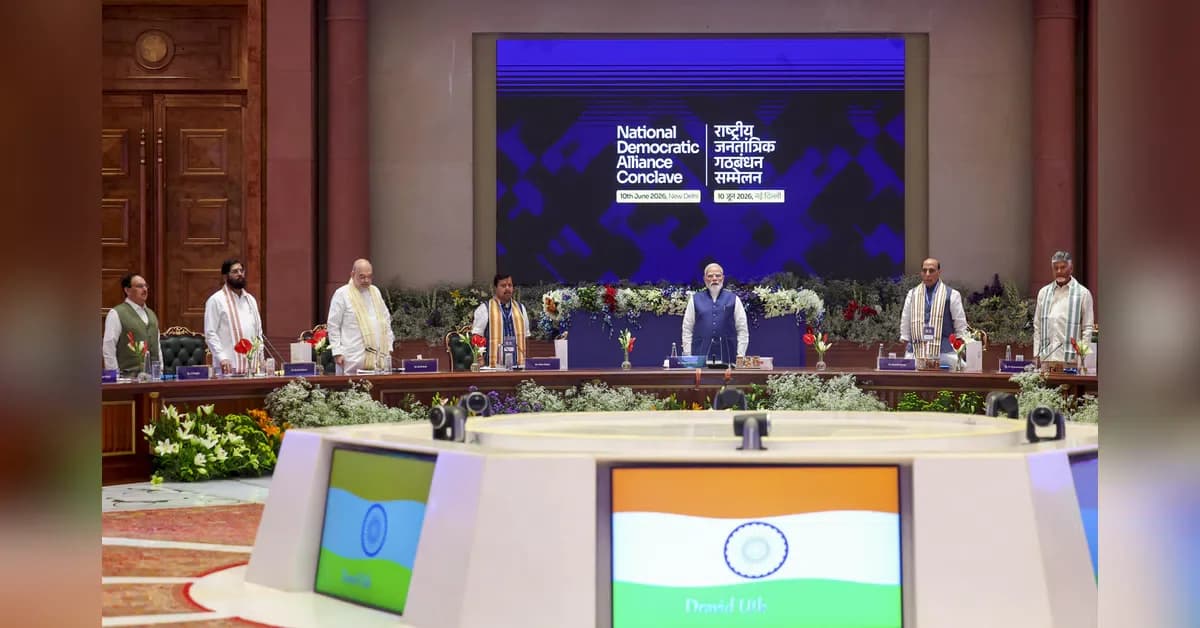
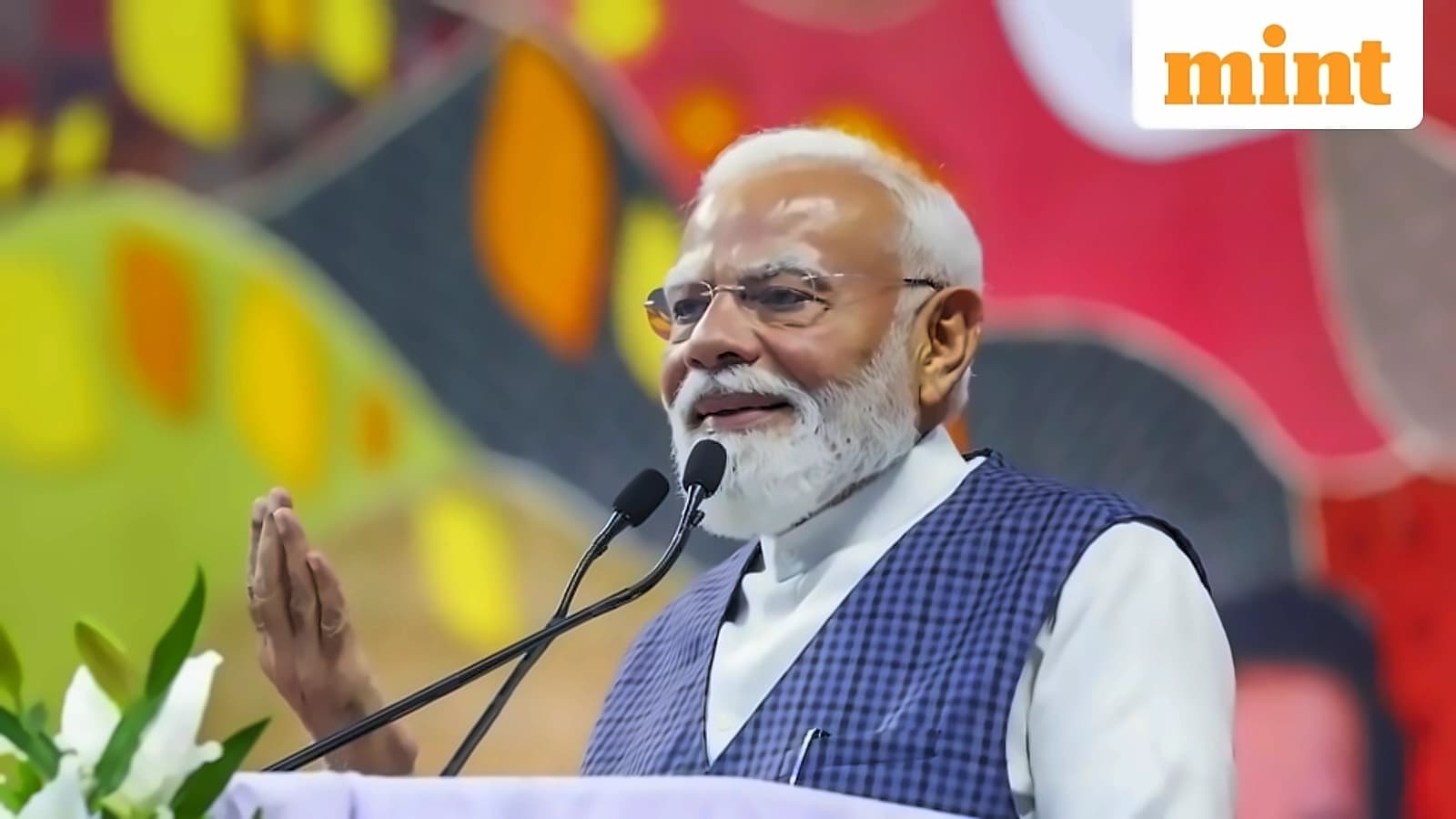
Prime Minister Narendra Modi achieved a historic milestone on June 10, 2026, completing 4,399 consecutive days in office and becoming India's longest-continuously serving elected Prime Minister. According to reports from Mint, this surpasses the previous record of 4,398 days held by former PM Jawaharlal Nehru. The milestone coincides with 12 years since the formation of the National Democratic Alliance (NDA) government, marking a significant period of political continuity in India's governance. Speaking at the occasion, PM Modi emphasized that this 12-year tenure will take India's direction, position and prominence on the global stage to new heights, citing achievements in infrastructure, civil aviation, and railway development. As Business Standard opinion pieces note, with almost three full terms behind him, Modi's record now provides its own benchmark, and future success will depend on adaptation rather than historical contrast.
India's business landscape has undergone a fundamental transformation over the past decade through systematic reforms aimed at simplifying regulations, digitising governance, and reducing compliance burdens. According to latest reports, India's ranking in the World Bank's Doing Business Report improved dramatically from 142 in 2014 to 63 in 2019, representing a jump of 79 places in just five years. The country's standing in the IMD World Competitiveness Ranking also improved from 43rd position in 2021 to 41st in 2025. India has achieved a high overall score in the UN's E-Government Survey and secured a very high score in the Online Services Index, alongside strong performances in telecommunication infrastructure and human capital indices. The government has eliminated or simplified more than 47,000 compliance requirements across sectors and consolidated thousands of circulars into streamlined master directions to improve regulatory clarity.
Under PM Modi's leadership, India's taxation laws have undergone comprehensive restructuring to adopt a digital-first and simplified strategy. As reported by Mint, the Finance Ministry notified new Income-Tax Rules, 2026, which significantly streamlined the system. The updates include reduction in tax rules from 399 to 190 and tax forms reduced from 511 to 333. All forms now feature standardized design with auto-filled data capabilities, making the taxation system easier for businesses and taxpayers to navigate. The introduction of faceless assessments and the new Income Tax e-filing portal has further reduced taxpayer interactions with officials while improving processing efficiency and transparency.
The government has significantly expanded credit access for Micro, Small and Medium Enterprises through multiple initiatives. The Credit Guarantee Scheme for Micro and Small Enterprises has approved guarantees worth over ₹9.34 lakh crore, while the Emergency Credit Line Guarantee Scheme support has helped businesses weather economic disruptions, with more than ₹3.68 lakh crore sanctioned. The Pradhan Mantri Mudra Yojana has disbursed loans worth over ₹40 lakh crore through more than 57 crore accounts since its launch in 2015, with a significant share of beneficiaries including women, first-time entrepreneurs and members of socially disadvantaged communities. The Udyam Registration Portal has witnessed rapid adoption, with registrations increasing from around 10,000 in October 2020 to more than 8.58 lakh by June 2026.
India's digital public infrastructure has become a cornerstone of business transformation, with the Unified Payments Interface (UPI) growing from just two crore transactions in 2016-17 to more than 24,000 crore transactions in 2025-26. Transaction value surged from ₹0.07 lakh crore to approximately ₹314 lakh crore during the same period. The Government e-Marketplace (GeM) has recorded a cumulative transaction value exceeding ₹18.4 lakh crore and crossed ₹5 lakh crore in procurement during the 2025-26 financial year alone. Since the launch of the Startup India initiative in January 2016, the number of recognised startups has increased from just 502 to more than 2.23 lakh by March 2026, generating over 23.3 lakh direct jobs. Nearly 48% of recognised startups now have at least one woman director or partner, indicating growing diversity within the entrepreneurial ecosystem.