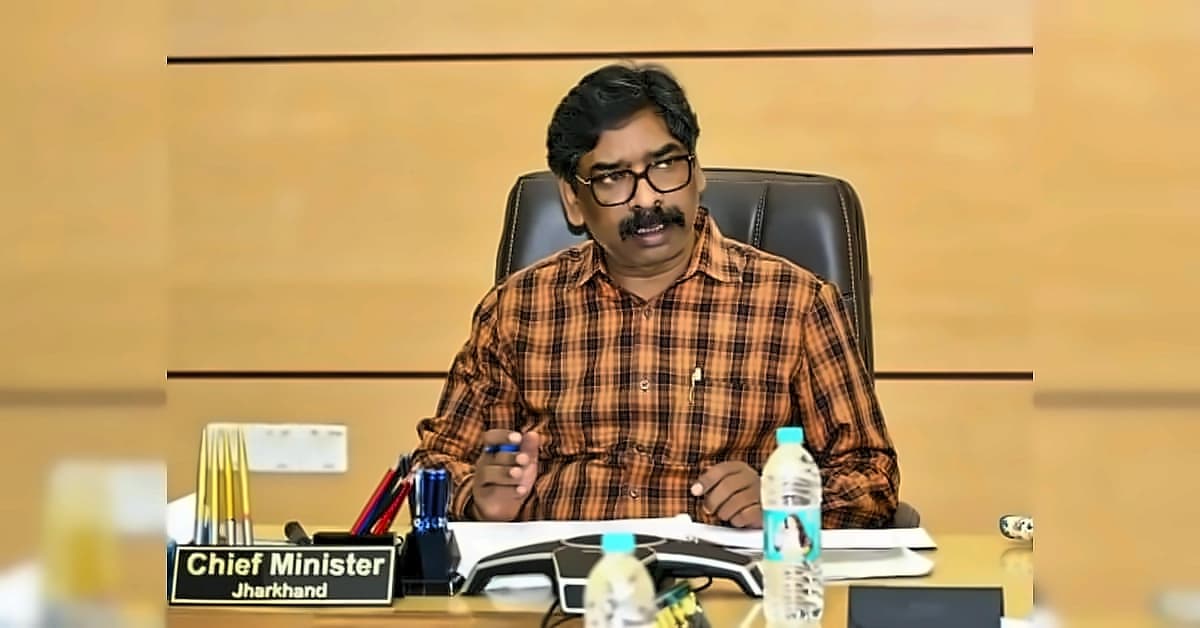
Kerala Chief Minister V D Satheesan has joined the growing opposition to the Mines and Minerals (Development and Regulation) Amendment Bill, 2026, urging Prime Minister Narendra Modi to reconsider provisions that could "substantially alter" the constitutional position on mineral taxation. In a letter dated August 15, Satheesan argued that the amendments have "far-reaching implications" for states' constitutional and fiscal powers, particularly their authority to levy taxes on mineral rights and mineral-bearing lands. This development follows Jharkhand Chief Minister Hemant Soren's letter last week seeking reconsideration of the Bill, which now awaits the President's assent to become law. The Kerala Chief Minister's intervention adds significant weight to the opposition, as Kerala's mineral-rich coastal belt around Chavara in Kollam district contains valuable deposits of ilmenite, rutile, zircon, sillimanite, garnet and monazite.
According to industry and state-level estimates, Odisha could lose around ₹12,000 crore in annual mineral-related revenue and be deprived of outstanding dues estimated at over ₹1 trillion following the passage of the Mines and Minerals (Development and Regulation) Amendment Bill, 2026. The legislation, cleared by Parliament on August 13, seeks to restrict state governments from independently imposing taxes, cesses or other levies on mineral rights and mineral-bearing land. As reported by Business Standard, the Union government has defended the move as an effort to bring uniformity and predictability to mineral taxation, arguing that differing state-level levies can increase mining costs and discourage investment. The Congress leader alleged that the amendment effectively takes away a fiscal instrument that mineral-bearing states can use to finance development, with provisions amounting to an encroachment on state land and fiscal jurisdiction.
The potential loss extends beyond future collections to retrospective dues arising from the Supreme Court's landmark 2024 judgment. According to Business Standard, the nine-judge Constitution Bench had held on July 25, 2024, that states have the power to tax mineral rights and mineral-bearing lands, with the ruling significantly strengthening mineral-rich states' fiscal positions. The Supreme Court subsequently ruled in August 2024 that the judgment could have retrospective financial consequences, allowing states to raise tax demands for transactions from April 1, 2005, subject to safeguards. The dues could be recovered in instalments over 12 years beginning April 1, 2026, while interest and penalties for the period preceding July 25, 2024, were waived. Industry estimates put total arrears across states at ₹1.5 trillion to ₹2 trillion, with Odisha alone reported to be in line to recover more than ₹1 trillion. The Kerala Chief Minister raised specific concerns about legislative invalidation of accrued but unrealised state revenues, which he said would have "significant financial consequences" for mineral-bearing states.
Congress leader Das has raised serious concerns about the amendment's impact on federalism and state autonomy, alleging that the legislation is contrary to the spirit of cooperative federalism repeatedly emphasized by Prime Minister Narendra Modi. The Kerala Chief Minister's letter specifically highlighted that the proposed Section 9D of the MMDR amendments restricts the ability of state governments to impose any tax, cess or other levy on mineral rights and mineral-bearing lands except within parameters prescribed by the central government. Satheesan argued that the amendments "appear to go substantially beyond prescribing reasonable limitations" under Entry 50 of List II, making the exercise of states' constitutional taxation powers dependent upon Union government parameters. The Kerala Chief Minister pointed out that the Supreme Court's 2024 judgment in Mineral Area Development Authority versus Steel Authority of India had reaffirmed states' competence under Entry 49 of List II to levy tax on mineral-bearing lands, including on the basis of mineral yield or value. He emphasized that "Restricting the State's fiscal authority over mineral-bearing lands could adversely affect State revenues and may also have consequences for levies and revenues accruing at the local-government level."
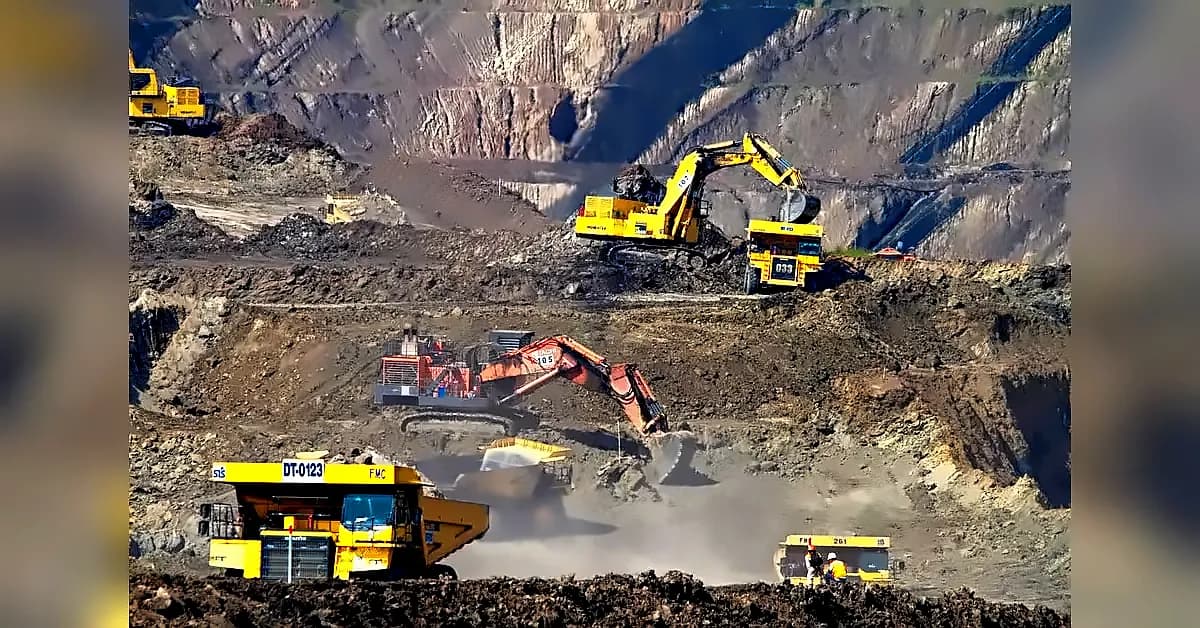
According to Odisha's Steel and Mines Department, the state has granted around 600 mining leases spanning nearly 100,000 hectares, with around 130 to 140 of those leases actively operating at any given time. As reported by Business Standard, of the total 101 auctioned mineral blocks since the transparent auction regime launched in 2015, Odisha has recorded the highest number, with 34 blocks currently in production, followed by Karnataka with 18 and Gujarat with 11 operational blocks. Tata Steel disclosed in July 2024 exchange filings that it could owe around ₹17,347 crore in retrospective mineral taxes to Odisha, though it later filed a curative petition seeking reconsideration. The Congress leader highlighted that the state's dependence on its mineral economy makes the stakes particularly high, with the legislation amounting to an encroachment on state land and fiscal jurisdiction that restricts revenue-raising powers of state governments.