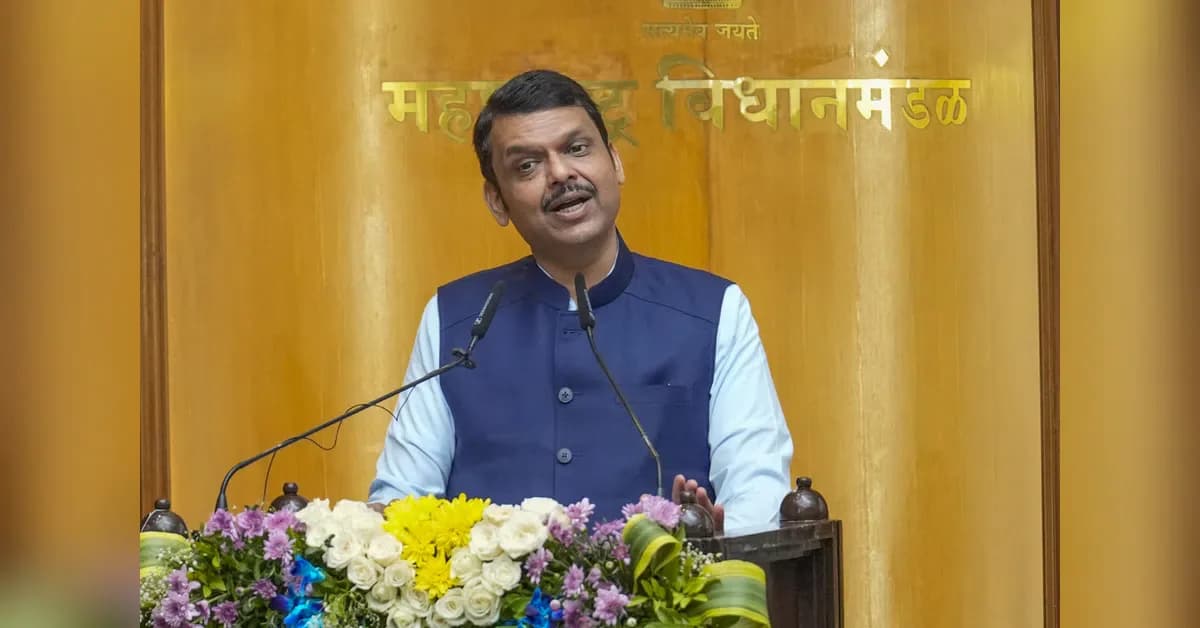
Maharashtra Chief Minister Devendra Fadnavis announced that the state government will waive around ₹48,000 crore in pending electricity dues of farmers to facilitate fresh agricultural power connections. Speaking at a felicitation programme organised by the BJP Kisan Morcha after the launch of the Punyashlok Ahilyadevi Holkar Shetkari Karjmafi Yojana, Fadnavis said farmers using pump sets up to 7.5 horsepower are currently receiving electricity without fresh billing. However, old unpaid electricity bills are still linked to their accounts, which often become a hurdle when farmers apply for new electricity connections. As per Lokmat Times, Fadnavis stated that the government wants farmers to start with a clean slate and move forward without the burden of old bills. According to MSEDCL officials, this major move will reduce the burden of old electricity bills on farmers and help the company recover outstanding dues that have been pending for years.
The CM announced the Punyashlok Ahilyadevi Holkar Farmer Loan Waiver Scheme, under which loans of up to ₹2 lakh will be waived. As reported by Business Standard, the scheme will benefit 5.6 million farmers with a total outlay of ₹36,585 crore. Fadnavis noted that restrictions applicable to beneficiaries of the earlier Mahatma Jyotirao Phule farmer loan waiver scheme have been removed, enabling them to receive loan waiver benefits up to ₹2 lakh under the new scheme. The government has also withdrawn the condition requiring regular loan repayment during 2026-27 for eligible farmers to avail benefits. Fadnavis also stated that the government is taking further steps to increase revenue through the industry and service sectors, and as revenue increases, more funds will be made available for the agricultural sector.
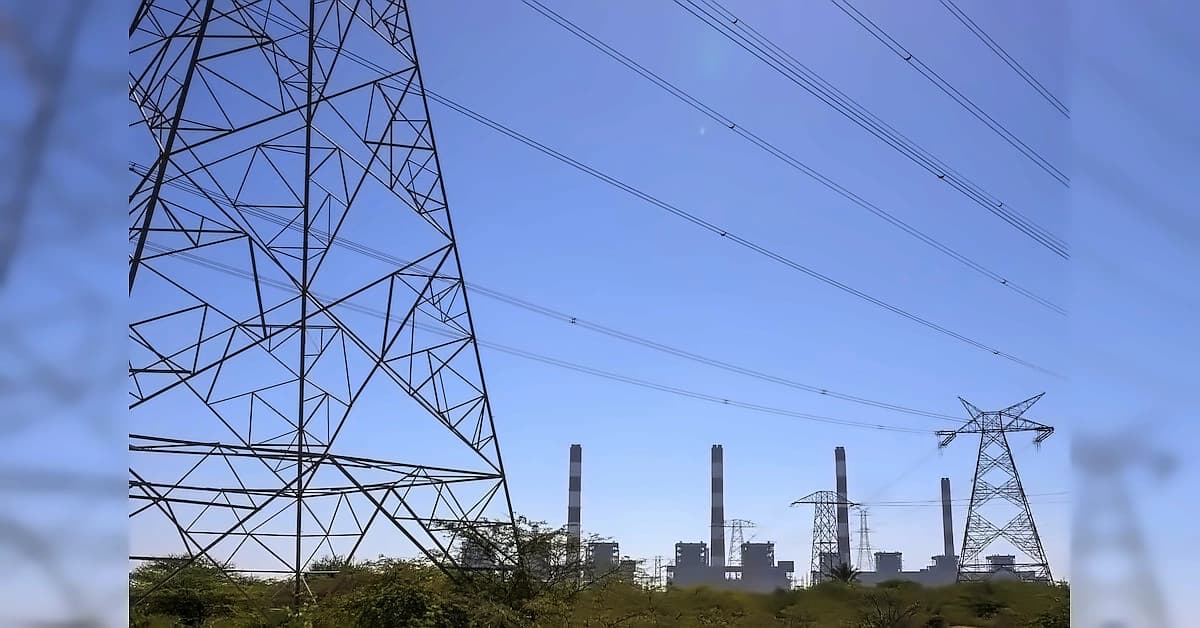
The Chief Minister announced significant improvements to electricity access for farmers. Nearly 76% of farmers in Maharashtra are currently receiving free daytime electricity for agriculture, and the government has decided to ensure that every farmer in the state will receive 12 hours of free electricity during the day by the end of this year. As per Lokmat Times, this represents a substantial expansion of the existing free electricity programme, which will provide farmers with uninterrupted power access for essential agricultural activities throughout the day. The government has clarified that waiving electricity bills does not mean that the power distribution company will incur losses, but rather that the state government will provide a budget of ₹25,000 crore to the power distribution company every year to compensate for the waiver. The government's target is to provide free electricity to 100% of farmers for 8 to 12 hours a day.
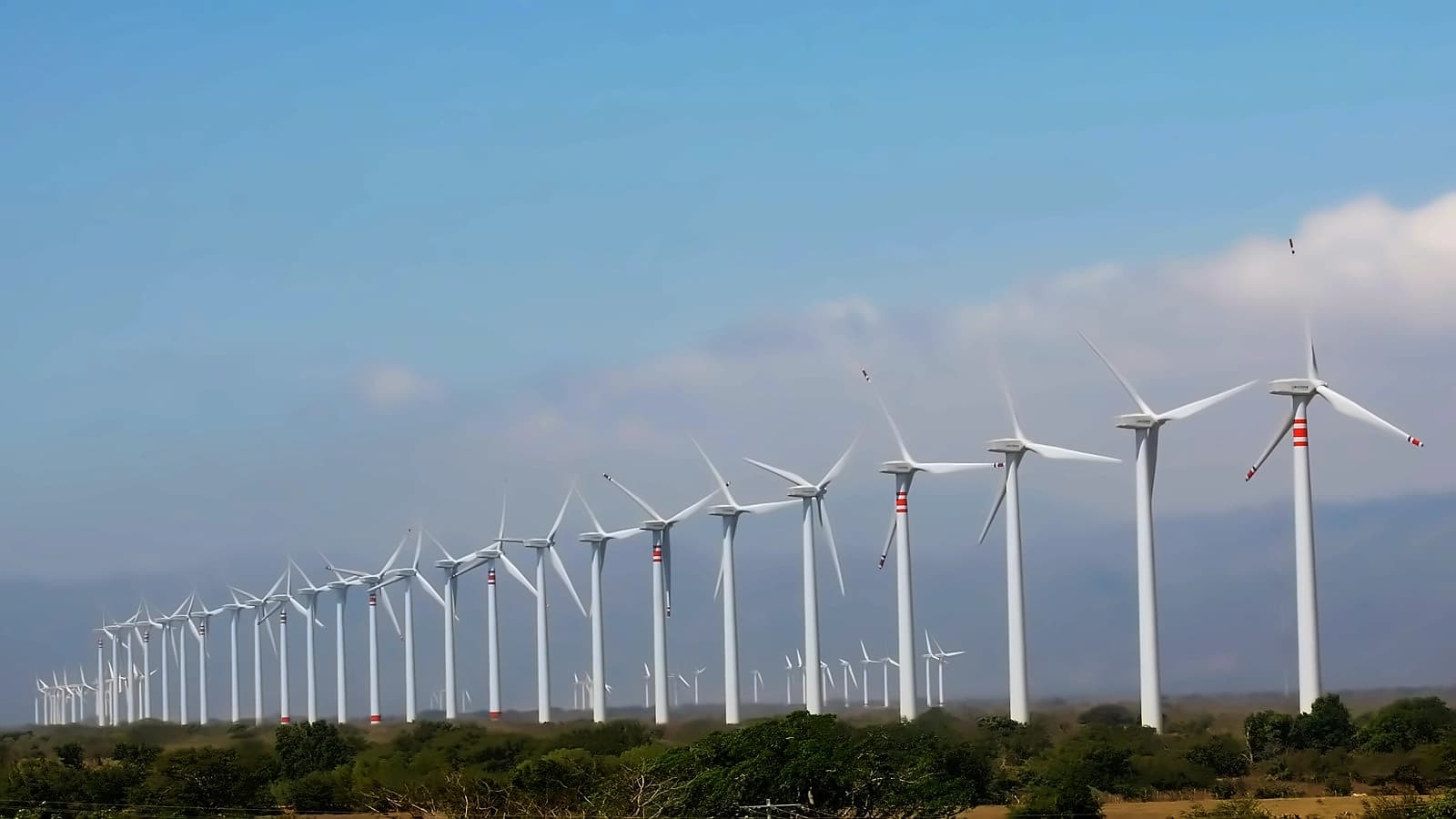
The government is promoting solar energy adoption through the Chief Minister Solar Krishi Vahini Yojana (MSKVY) 2.0, which involves decentralized solar power projects with a capacity of over 15,284 MW. This scheme involves private investment of approximately ₹65,000 crore and is expected to generate approximately 70,000 jobs in rural areas. This electricity bill waiver is a step to promote solar energy in the state, with the government already providing free electricity to farmers with agricultural pumps up to 7.5 HP. The government has also decided to cover farmers' existing electricity bills under the Chief Minister Baliraja Free Electricity Scheme, announced in the June 2024 budget.
The Centre and the Maharashtra government together will invest about ₹95,000 crore in the agriculture sector this year through various schemes, according to the CM's announcement. The government is making substantial investments to ensure sustainable agriculture through irrigation projects, water conservation, cold storage facilities, value addition, food processing industries and improved market linkages. These investments are expected to translate into higher farm incomes over the next few years. The CM also emphasized the government's commitment to encouraging the use of artificial intelligence (AI) in farming to reduce production costs and improve productivity. The government is promoting quality seeds, modern farming techniques, drip and sprinkler irrigation systems, and digital platforms connecting farmers directly with markets through various subsidy schemes.