India faces a critical energy storage challenge as its energy demand grows at the same rate as GDP, with projections showing the economy could expand five to six times its current size over the next 20 years. According to reports from Business Standard, electricity will power the bulk of economic activity, necessitating massive power-generation capacity in the near future. While renewable energy sources like wind and solar are becoming increasingly cheap, they supply electricity intermittently while power demand remains volatile, creating a fundamental mismatch that requires large-scale electricity storage solutions. The global grid-scale energy storage industry is experiencing increasing attention and investment, driven by rising electricity demand, renewable energy expansion, grid modernization, and energy security requirements.
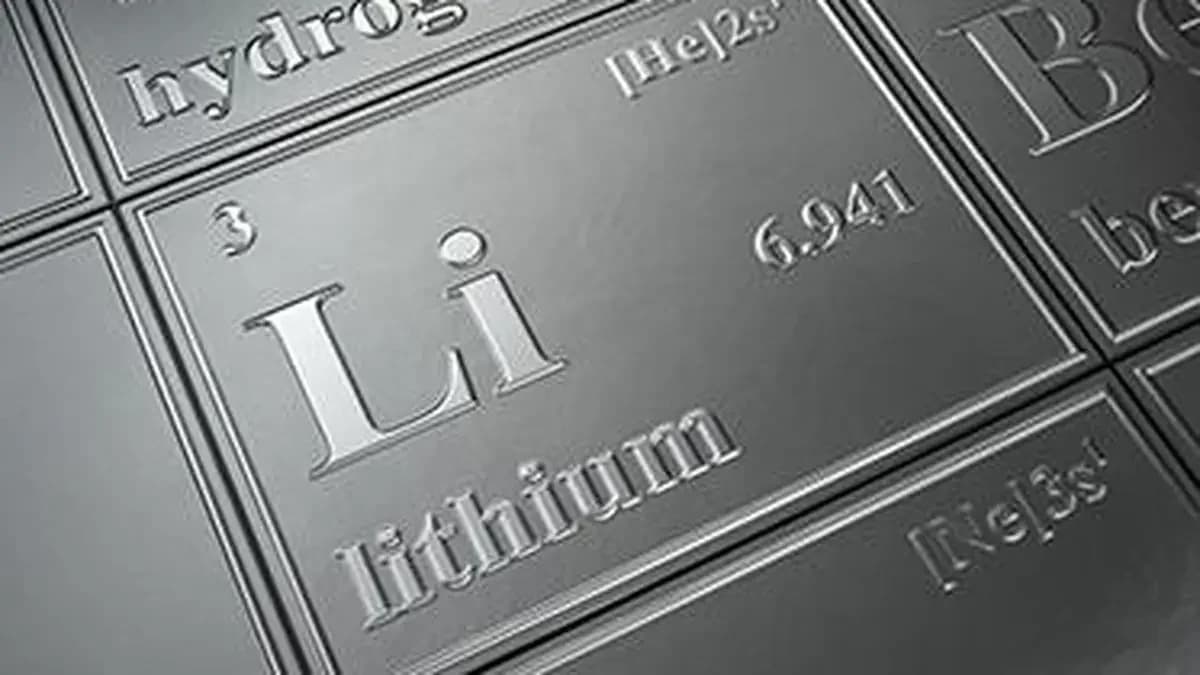
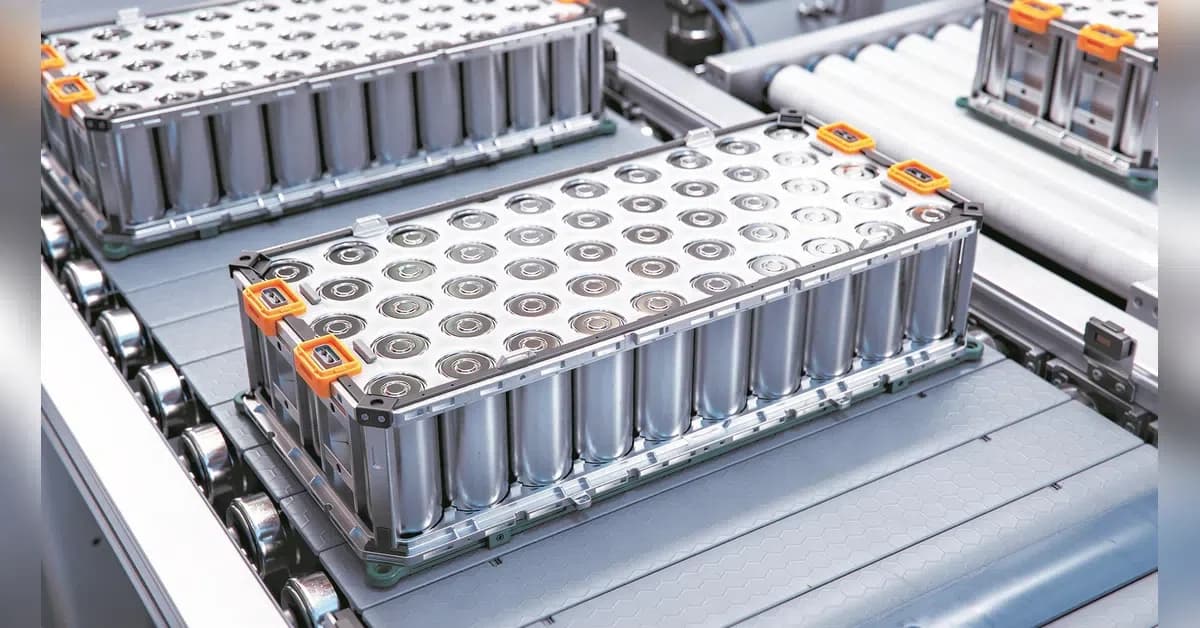
The current energy storage landscape presents significant challenges for India's industrial policy. As reported by Business Standard, lithium-ion batteries are controlled by China and will continue to be for the next five to 10 years, creating a strategic dependency. While many technological alternatives exist, including water, compressed air, and brine-based energy storage solutions, they are difficult to scale up. The most used alternative, lithium-ion batteries, while increasing in use, are not currently produced at scale, limiting their cost effectiveness and research and innovation potential. Lithium-ion batteries currently account for a major share of new battery storage installations, while pumped hydro remains an established large-scale storage technology.
India has three strategic options for utility-scale power storage industrial policy, according to the analysis in Business Standard. The first approach involves being agnostic to technology and supporting any type of battery-based storage, similar to India's current approach. The second option would reverse industrial policy by actively dissuading lithium-ion batteries, allowing the industry to decide on alternatives. The third approach involves choosing a specific type of battery and directing investments toward it, though this would maintain dependence on China for the next decade or more. Asia-Pacific remains an important grid-scale energy storage region, supported by China, India, Japan, South Korea, and Australia, where renewable energy expansion and electricity infrastructure modernization are increasing demand for storage systems.
Sodium-ion batteries present a compelling alternative to lithium-ion technology, with several advantages for India's manufacturing ecosystem. As reported by Business Standard, sodium-ion batteries have key inputs mostly available in India, are low-cost when produced at scale, are environmentally less harmful, and are less susceptible to overheating. While currently marginally less efficient and costlier than lithium-ion batteries, scale production should help narrow the performance gap. Sodium-ion batteries, flow batteries, iron-air batteries, compressed air energy storage, and thermal storage are also creating opportunities for different storage durations and applications, with researchers addressing technological, electrical, structural, and environmental challenges to make grid-scale energy storage systems more efficient, affordable, durable, and sustainable.
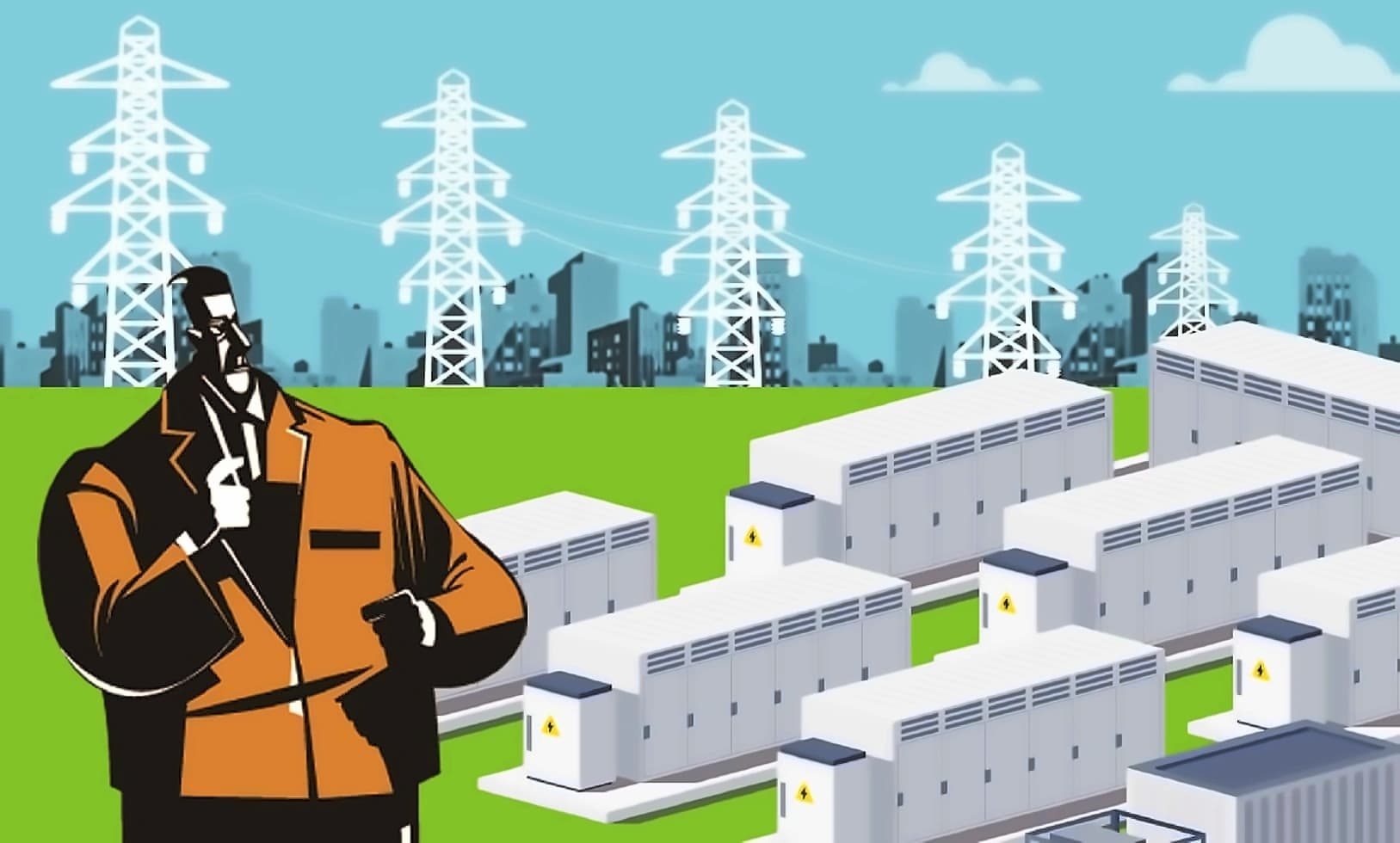
A successful grid-scale storage industrial policy requires comprehensive implementation across multiple sectors. According to the analysis in Business Standard, this includes creating a variant of the current production-linked incentive (PLI) scheme that focuses specifically on non-lithium grid-scale storage, rewarding domestic alternatives based on domestic value addition rather than output-based measures. The policy should promote demand for non-lithium grid-storage batteries through mandates similar to renewable energy requirements, while addressing regulatory barriers such as hazardous materials rules that currently favor lithium-ion batteries. Global grid-scale energy storage deployment is expanding as countries seek to balance variable renewable electricity generation, manage peak demand, improve grid stability, and reduce dependence on fossil fuel-based backup generation.