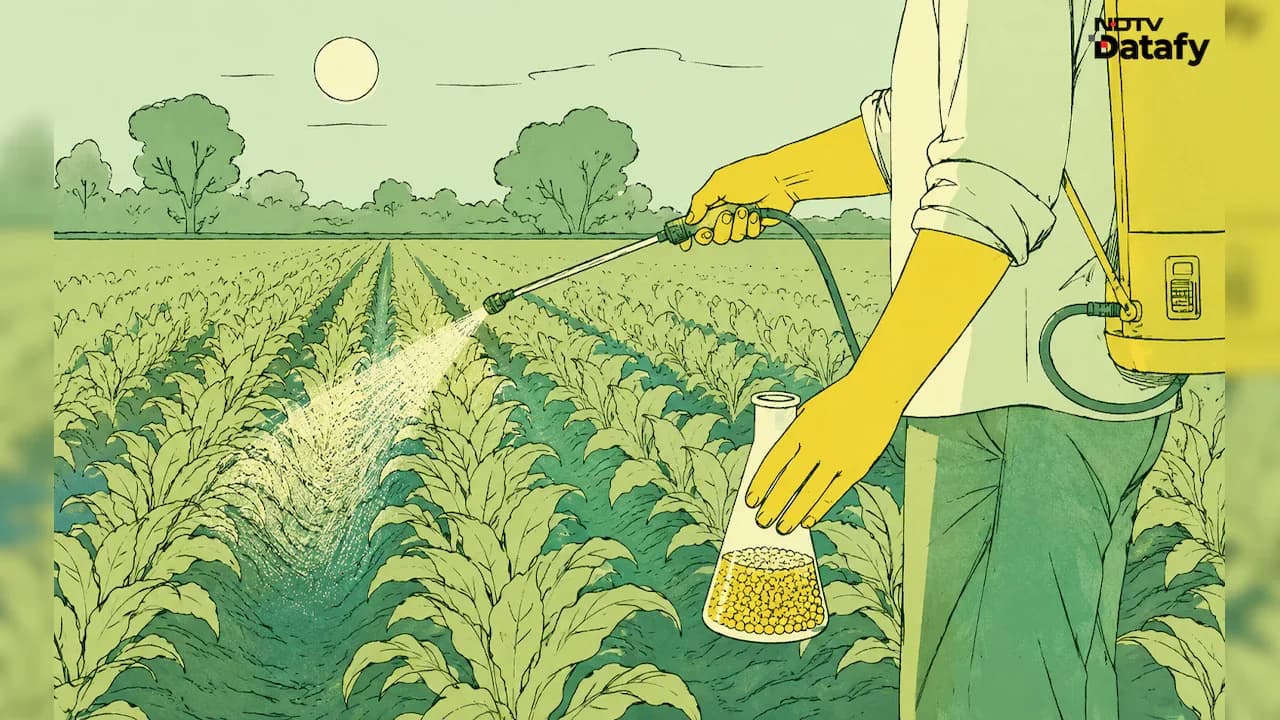
The Department of Fertilizers has issued an Expression of Interest (EOI) for green urea production, marking a transformative moment in India's fertilizer sector. This initiative represents a decisive pivot from fossil fuel-dependent urea production to green hydrogen-based synthesis using renewable energy. The government seeks to procure an impressive 7.24 lakh metric tonnes of Green Ammonia annually through transparent e-reverse auctions orchestrated by the Solar Energy Corporation of India (SECI) under the National Green Hydrogen Mission (NGHM) Mode 2A. The Ministry of New and Renewable Energy has allocated ₹19,744 crore to expedite renewable infrastructure development, providing crucial fiscal support for the green hydrogen economy that forms the backbone of green urea production.
The Ministry of New and Renewable Energy (MNRE) has increased the allocation for fertilizer sector from 5.5 lakh tonnes per annum to 7.5 lakh tonnes per annum of Green Ammonia, as reported by AgroSpectrum India. The National Green Hydrogen Mission (NGHM) is implementing a target to achieve production capacity of 5 million tonnes per annum. The first plant under this collaboration will be established in Gorakhpur, Uttar Pradesh soon, marking significant progress in India's green hydrogen infrastructure development. This enhanced allocation reflects the government's commitment to accelerating the transition to sustainable fertilizer production.
The EOI framework embraces diverse development paradigms, encompassing independent greenfield ventures, brownfield integrations, renewable energy developer-led projects, joint ventures, and Build-Own-Operate (BOO) or Build-Operate-Transfer (BOT) schemes. Project submissions must elucidate technological specifications, feedstock sourcing, project configuration, and site selection rationale, scrutinizing renewable energy availability, water resources, CO₂ sources, logistical connectivity, and proximity to demand centres. Proposals must delineate timelines, capital outlays, levelized cost projections, anticipated carbon footprint reductions, and requisite policy or fiscal support to ensure commercial viability. The initiative aligns with India's commitment to achieve net-zero emissions by 2070 while fostering sustainable agricultural inputs.
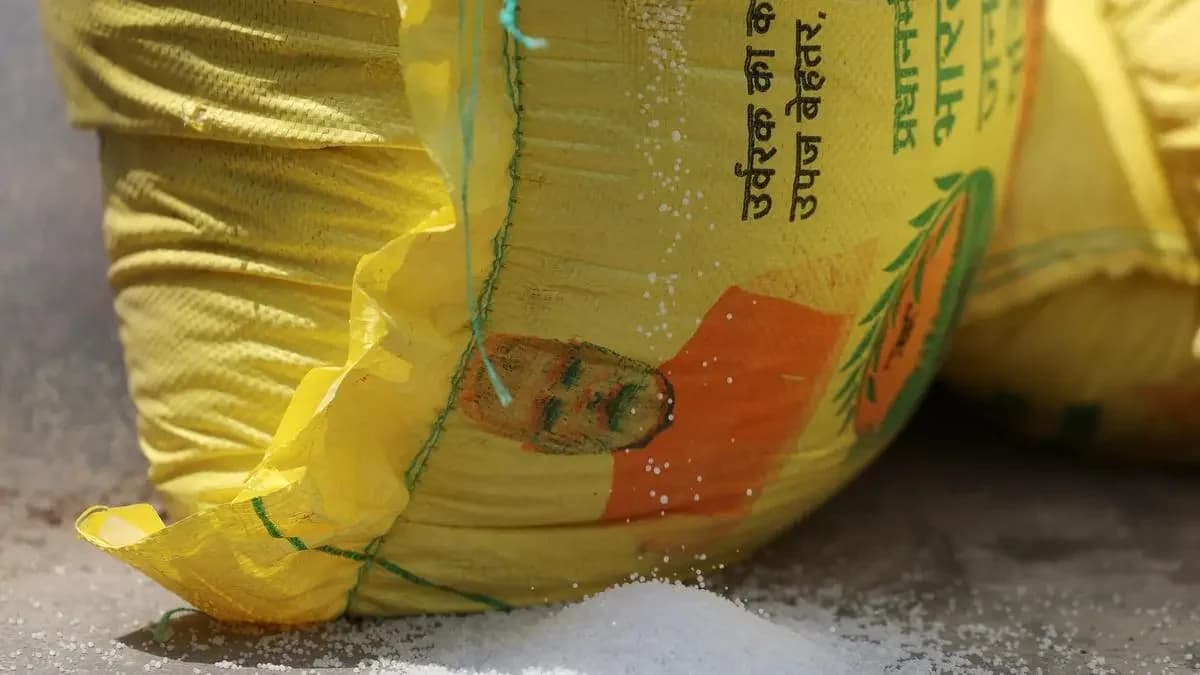
The urea market is experiencing significant demand surges this month following surplus rains in the first 10 days of July. According to The Hindu BusinessLine, over 60% of the month's demand has already been sold by July 17, compared to less than 50% for DAP and complex fertilizers, and 30% for MOP. India imports approximately 100 lakh tonnes of urea while domestically producing about 300 lakh tonnes, mostly from imported LNG. July represents the key month for maximum sowing and rainfall during the monsoon season. The urea industry, contributing to 55% of chemical fertilizer demand, has taken strong strides towards self-sufficiency with import dependency expected to reduce to 10-15%.
ACME Cleantech Solutions has applied for approval from the Indian Council of Agricultural Research (ICAR) for a collaborative pilot program using anhydrous and aqueous ammonia backed with green ammonia as an efficient, environment-friendly alternative to conventional urea. The trial was initially scheduled for three seasons but was fast-tracked to facilitate manufacturing pace for the next Kharif season. Meanwhile, NETRA, the R&D arm of NTPC, is building a green urea plant in Andhra Pradesh using carbon capture technology, with a 150 tonnes per day pilot plant at Pudimadaka serving as a technical reference point. Field trials conducted at an ICAR institute during Rabi 2026 showed mixed results, with trials demonstrating higher biomass and higher greenness in some cases compared to normal urea application, though non-uniform growth occurred due to non-uniform NH3 application.