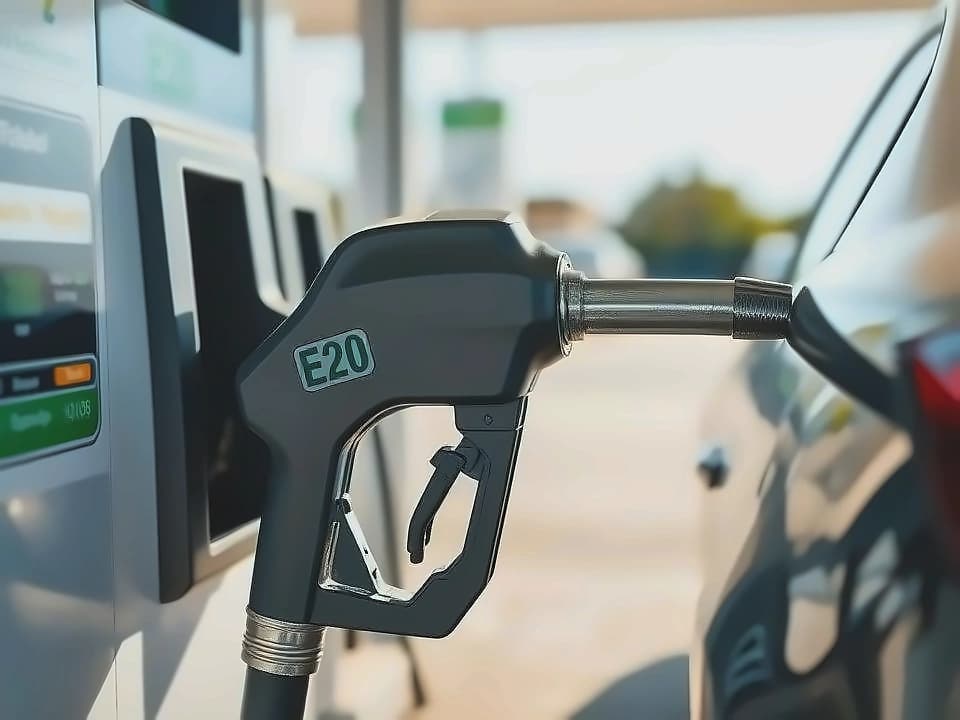
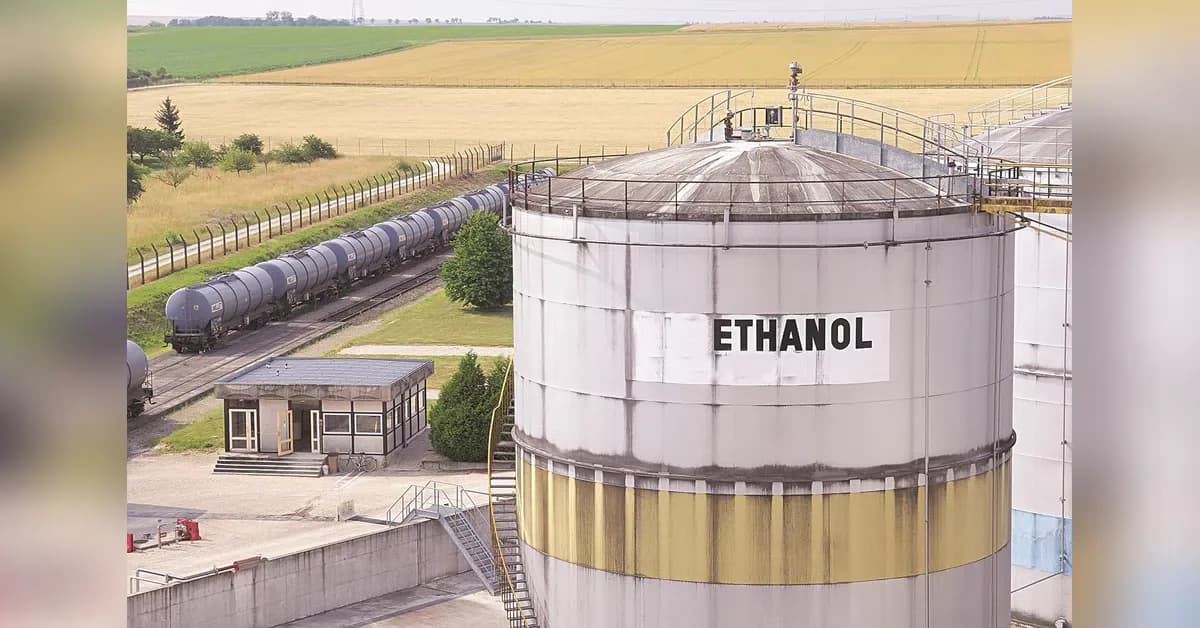
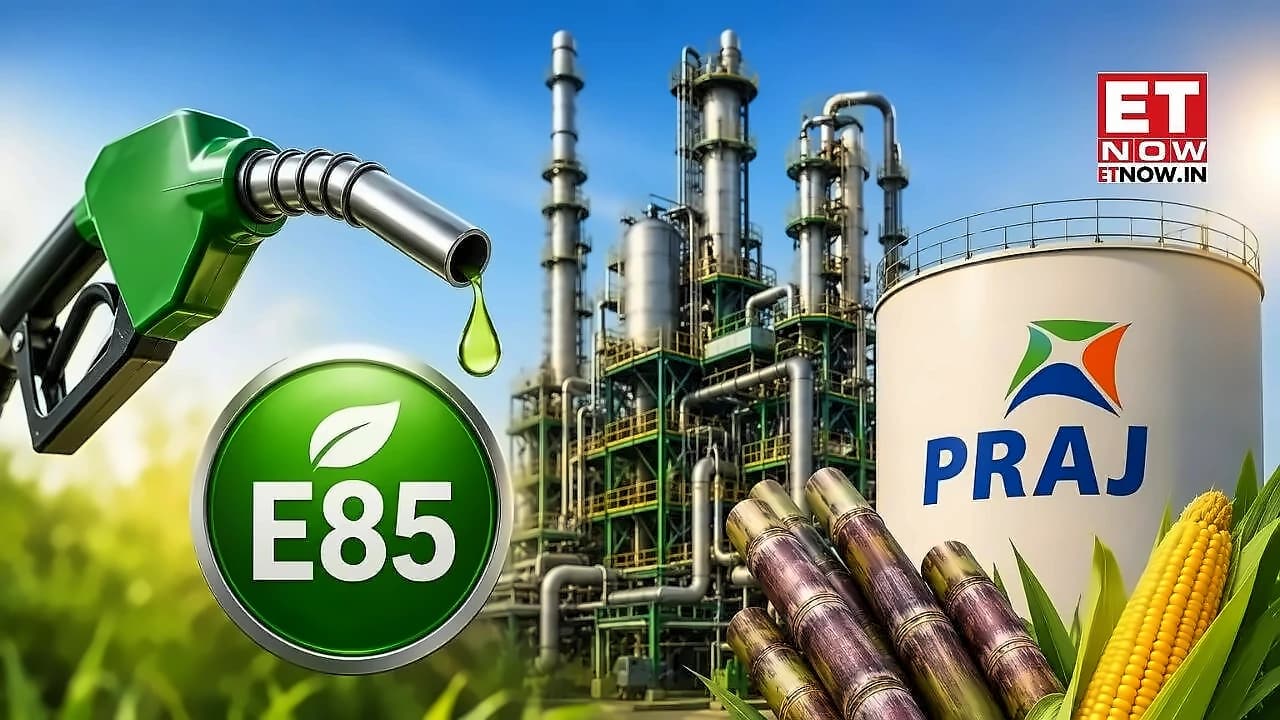
India's E100 ethanol ambitions could trigger ₹37,000-50,000 crore of industry spending even as mobility experts expect flex-fuel vehicles to account for only a low single-digit share of the market by 2030. Industry estimates suggest the investment could include ₹22,000-30,000 crore in recurring engineering and product development costs, and another ₹15,000-20,000 crore in investment in testing facilities, supplier localisation, and manufacturing upgrades, making it one of the largest automotive technology bets since BS-VI. As per The Hindu BusinessLine, "Investors should look at E100 as a strategic option, not as a guaranteed profit pool," said Randheer Singh, former director of electric mobility at NITI Aayog and chief executive of ForeSee Advisors. "The industry is already spending heavily on electrification, so E100 investment will make sense only if policy, fuel availability and consumer economics all move together."
Moving from E20 fuel to E85 and E100 requires far more than engine recalibration, with industry executives saying higher ethanol blends demand corrosion-resistant materials, redesigned fuel systems, changes in engine calibration, cold-start systems and extensive durability validation. The challenge becomes more complex because manufacturers must support multiple fuel blends ranging from E20 to E100, increasing testing and validation requirements across vehicle platforms and variants. Flex-fuel technology could add ₹35,000-45,000 to the cost of a passenger vehicle, while the industry's cumulative expenditure extends well beyond vehicle engineering into supplier localisation, testing infrastructure and manufacturing upgrades. "The cost burden of flex-fuel adoption for E100 will be significant," said Sridhar V, Senior Partner at Grant Thornton Bharat. "Unless the consumer sees a clear running-cost advantage, this kind of annual cost will be difficult for the industry to absorb."
The government's roadmap calls for E85 dispensing stations to increase from roughly 50-100 currently to around 500 by the end of 2026 and as many as 5,000 by the end of 2027. Vehicle availability is beginning to improve with Hero MotoCorp having launched flex-fuel motorcycles, while Maruti Suzuki has introduced India's first flex-fuel passenger vehicle. Toyota, Hyundai and Tata Motors have all showcased flex-fuel prototypes. However, industry participants note that Brazil's success was built on decades of favourable taxation, fuel-price advantages and policy support that made ethanol an economically attractive choice for consumers. As per The Hindu BusinessLine, "Two years back, the government had already put 400 dispensing stations in place. Sadly, vehicles couldn't come because there were no policy enablers in place, so those stations saw no takers," said Vikram Gulati, Executive Vice-President, Corporate Affairs & Governance at Toyota Kirloskar Motor.
For policymakers, the rationale for ethanol extends beyond vehicle technology, with India importing more than 85% of its crude oil requirements, leaving the economy exposed to geopolitical disruptions and price shocks. Flex-fuel vehicles running on ethanol derived from sugarcane and food grains offer a pathway to displace imported petroleum while supporting farmer incomes and rural value chains. Industry stakeholders also point to ethanol's near-zero particulate emissions and its ability to retain value within the domestic economy. By 2030, E100 can become a meaningful niche, but not a mass-market replacement for petrol or EVs, with a low single-digit share by 2030 would be a credible start. However, the challenge for automakers is that ethanol primarily addresses energy security while future regulations remain focused on reducing emissions, with the proposed Corporate Average Fuel Efficiency (CAFE III) framework showing E100-compatible vehicles receiving a super-credit multiplier of 1.1 compared with 3.0 for battery-electric vehicles.
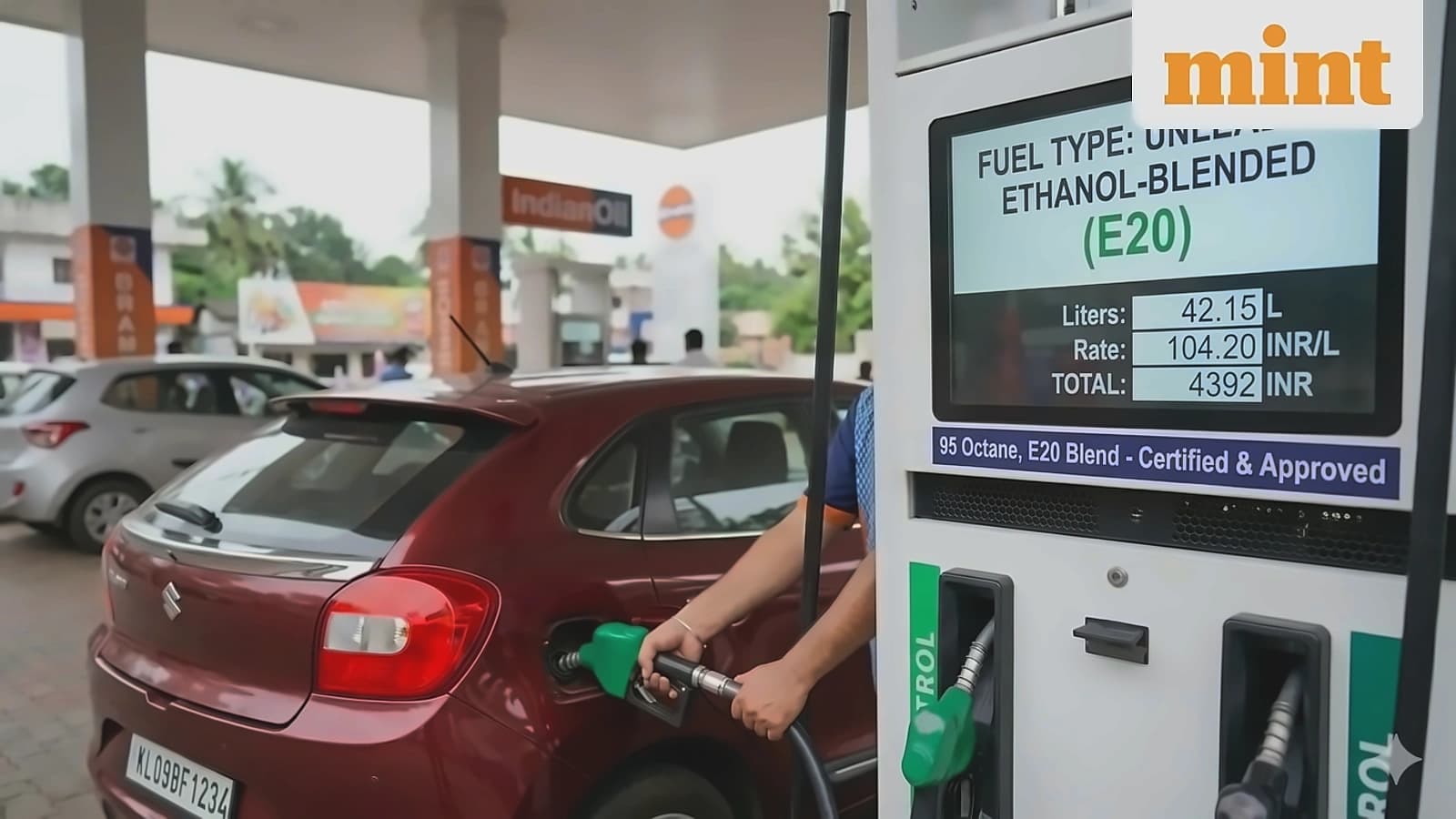
The Indian government has strongly dismissed recent claims surrounding ethanol-blended petrol as 'misleading' and 'unsubstantiated', rejecting reports related to the hygroscopic nature of ethanol, allegations that vehicle fuel tanks attract ants, and suggestions that sugarcane juice is directly mixed with petrol. According to the Ministry of Petroleum and Natural Gas (MoPNG), the government has noted that old images and videos are being recirculated in an apparent attempt to garner viewership through sensationalism and create unwarranted concerns regarding ethanol-blended fuel. The ministry emphasized that ethanol blending in India conforms to stringent fuel quality specifications and undergoes rigorous testing before deployment, with the rollout of higher blending levels undertaken only after extensive technical evaluation and consultation with automobile manufacturers and other stakeholders. The Centre on Tuesday issued an unusually combative defence of E20 petrol, calling the claims 'misleading and unsubstantiated' and stating that India's Ethanol Blending Programme (EBP) is scientifically validated and continuously monitored by the government. The ministry stated that since the introduction of E20 petrol, no widespread issues of engine failure or vehicle breakdown attributable to ethanol blending have been reported, with the programme continuously monitored in consultation with oil marketing companies, automobile manufacturers, fuel testing agencies and other stakeholders.