India is facing a perfect economic storm as crude oil prices surge above $100 per barrel and the rupee has fallen over 6% this year alone, making it Asia's worst-performing major currency. When Prime Minister Narendra Modi took office in May 2014, oil prices had peaked at $106 per barrel but fell to $59 by December 2014. Today, the situation has reversed dramatically, with India importing nearly 90% of its crude oil needs and 50% of natural gas, making energy price surges particularly damaging. As Uday Kotak, founder of Kotak Mahindra Bank, warns, "A major shock is coming through the oil price rise." Goldman Sachs has slashed India's 2026 growth forecast to 5.9% from its pre-Iran war prediction of 7%, while analysts warn crude prices could surge to as high as $120 per barrel amid prolonged regional conflict.
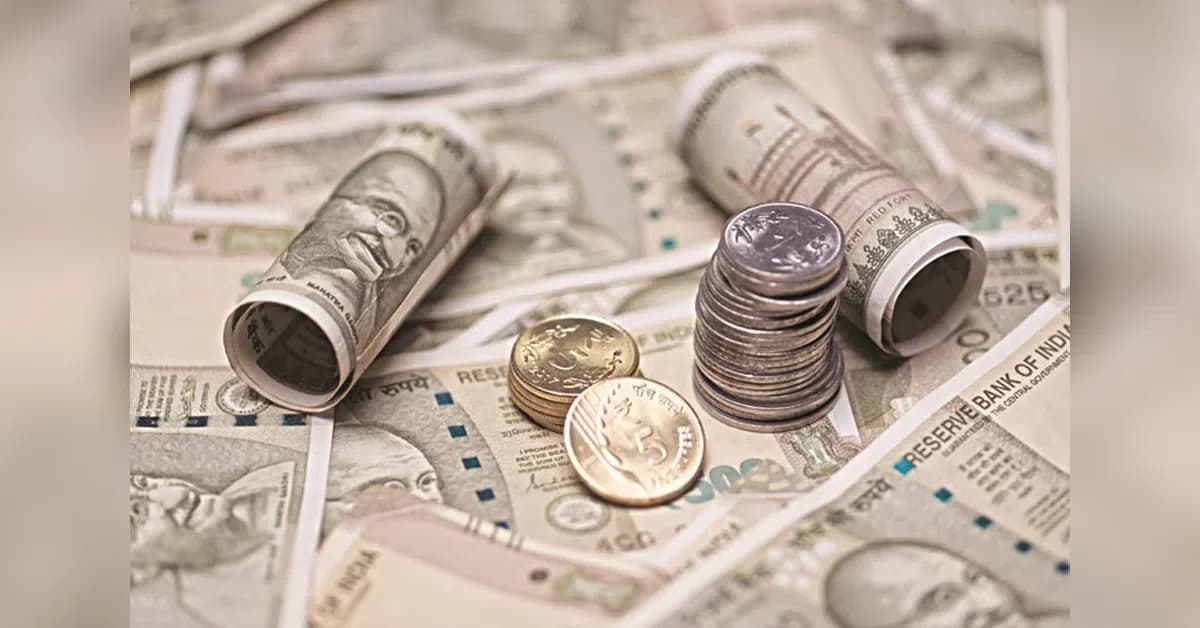
The economic pressure is manifesting through wholesale price inflation surging to a three-and-a-half-year high of 8.3% in April, with petroleum and natural gas prices rising more than 67% year-on-year. The rupee's decline has made imports significantly more expensive, especially oil, fertilizers, electronics and industrial components. Last week, the rupee touched an all-time low of ₹96.14 to the dollar, compared to around ₹85-86 in January 2025. Manufacturers are facing their highest cost pressures in nearly four years, mirroring disruption seen during the Covid-19 supply shock. The merchandise trade deficit increased to $28.4 billion in April from $20.7 billion in March, as imports have grown much faster than goods exports. Gold imports alone cost India around $84 billion in the last fiscal year.
India's geopolitical vulnerabilities, growing industrial sector, and rapid urbanisation have heightened its susceptibility to cyberattacks and Chemical, Biological, Radiological, and Nuclear (CBRN) threats, according to a report released on Monday. The CBRN defence and mitigation measures report was unveiled at a PHDCCI (PHD Chamber of Commerce and Industry) conference in New Delhi, emphasising the urgent need to strengthen its CBRN security strategy. As reported by the PHDCCI, the report states that the CBRN threat landscape is dynamic, adaptive, and increasingly technology-enabled, requiring a preparedness posture that matches the pace and complexity of evolving threats. The report suggests that strengthening the CBRN security strategy is increasingly urgent, especially as regional tensions escalate, highlighting the critical need for enhanced preparedness and response capabilities.
The report points out that the Indian industry has demonstrated the capacity to develop world-class CBRN detection systems, protective equipment, robotics platforms, bio surveillance tools, and AI-based threat analytics. As reported by the PHDCCI, what is needed now is the structured engagement, clear procurement signals, regulatory clarity, and long-term partnership commitments that will unlock this capacity for national benefit. The report notes that in the CBRN domain, the same industrial ecosystem that powers economic growth also underpins national security, making regulation, monitoring, and industry collaboration central to risk mitigation. In the CBRN domain, the same industrial ecosystem that powers economic growth also underpins national security -- making regulation, monitoring, and industry collaboration central to risk mitigation.

The economic challenges are reflected in foreign institutional investors dumping ₹2 trillion worth of Indian equities since the Iran conflict, with the country's weight in the MSCI emerging markets index falling to 12% from 19% last year. However, domestic retail investors continue to support markets, with retail investors buying a record ₹32,087 crore worth of shares in March. Despite India's $700 billion in foreign reserves, analysts warn of prolonged disruption in oil supplies that could "entrench inflation, limit policy flexibility and challenge investor confidence," according to Moody's. The crisis is exposing long-standing weaknesses, with India's merchandise trade deficit having doubled over the past decade from $148 billion in 2013-14 to nearly $300 billion as the economy becomes more consumption-driven.