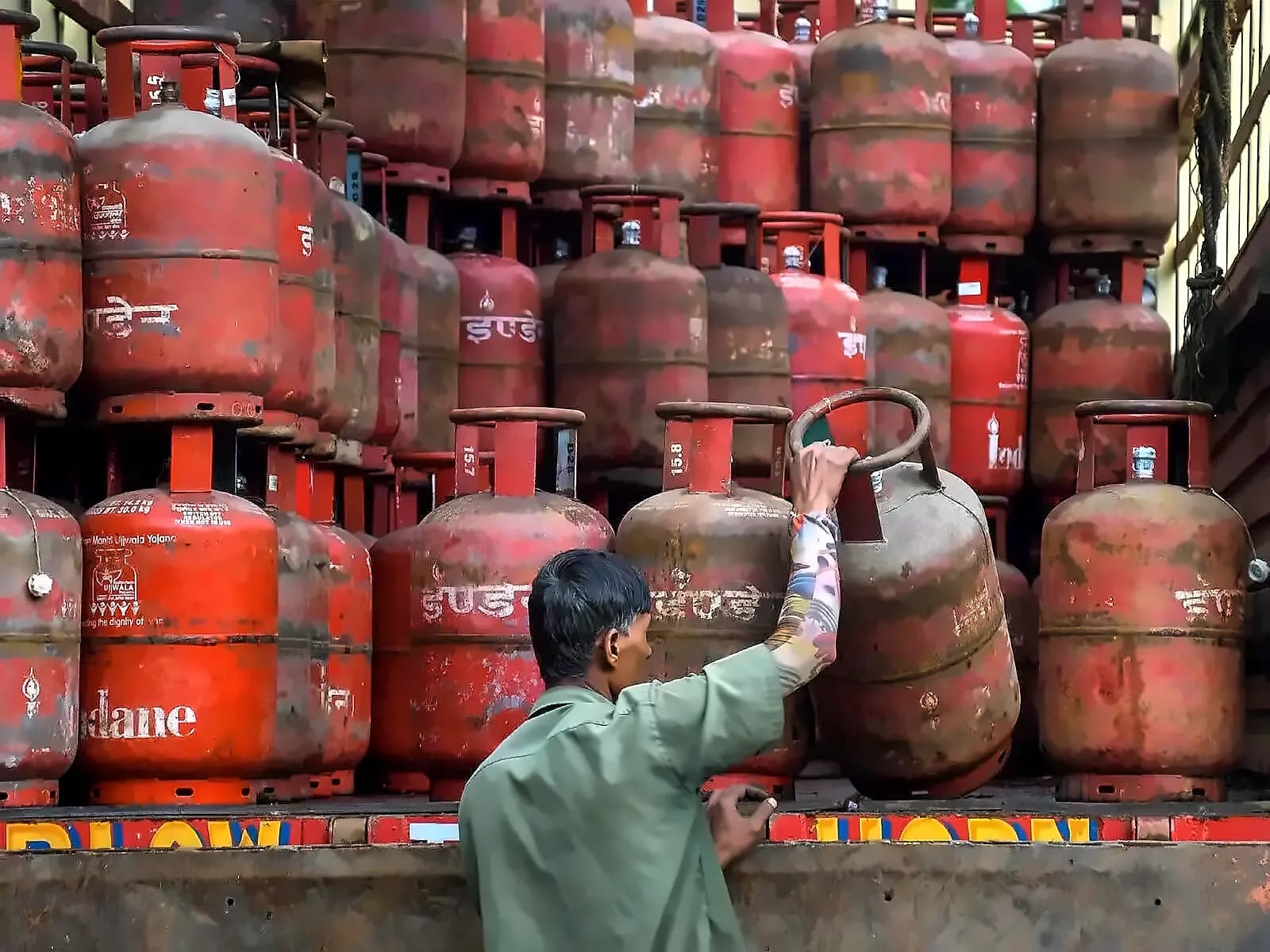
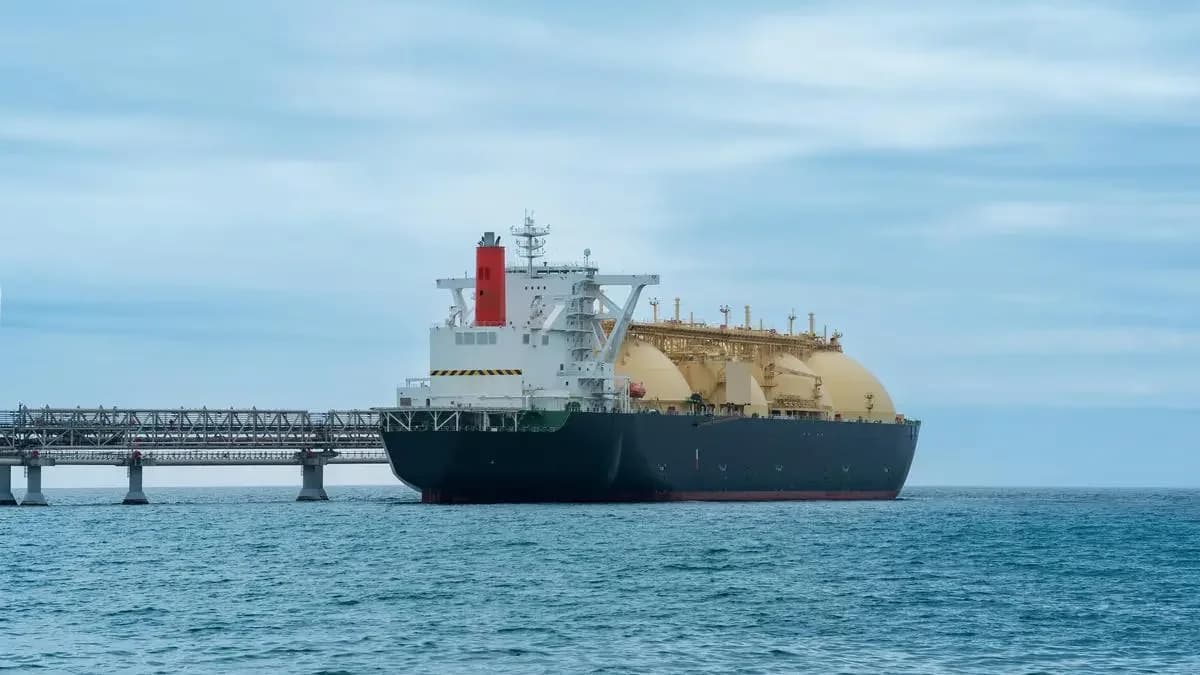
Petroleum ministry officials told a parliamentary panel on Monday that there is 78 days of crude stock available, addressing concerns raised by several members over long queues at fuel stations in various parts of the country. According to The Economic Times, the panel on transport, tourism and culture headed by JDU MP Sanjay Jha held the meeting to discuss the impact of the West Asia crisis on maritime trade, shipping infrastructure and seafarer safety. The officials assured that there is no shortage of LPG in the country, though some opposition members pointed out that the Oil ministry did not provide any official data to them. The government has made efforts to ensure there is no shortage, but officials told the panel that uncertainty on when the war would end continues. Some opposition MPs also sought to know why corrective measures were not taken in advance, knowing that the West Asia war would not end soon, with members telling officials they should have planned in advance to mitigate the suffering of common people due to high oil and fertiliser prices.
Shipping ministry officials informed members that 13 Indian ships are still stranded in West Asia due to disruptions in movement of vessels through the Strait of Hormuz. As reported by The Economic Times, the panel was also informed that there were around 37 India-bound ships stranded in the Persian Gulf in March, with 13 ships still stuck due to the closure of the Strait of Hormuz. Officials stated that ships are facing problems in crossing the affected area due to difficulty crossing the Strait of Hormuz due to its closure by Iran and also the presence of the US. The ministry, along with the help of the External Affairs Ministry, is trying to get Indian ships out of the war zone in West Asia, but ships are facing significant challenges in the conflict-hit region. According to The Economic Times, only around five vessels have secured cover under the Bharat Maritime Insurance Pool, highlighting the limited insurance coverage available to Indian ships in the region.
According to officials cited by The Economic Times, insurance premiums for cargo ships have risen significantly due to the West Asia crisis. The officials informed the panel that insurance premiums for cargo ships have increased up to 100 times in the case of containers in view of the current situation. The panel was attended by officials from shipping, petroleum, fertiliser and external affairs ministry, with Secretary Vijay Kumar making a presentation on steps taken by the Ministry.
Fertiliser ministry officials informed the parliamentary panel that there is no shortage of fertilisers in the country ahead of the Kharif sowing season and the government has made alternative arrangements. When opposition members raised the issue of high global prices of fertilisers, officials informed the panel that the government has procured around 80 lakh tonnes of fertilisers from alternative sources. At present, the demand is to the tune of 78 lakh tonnes of fertilisers, which is being met by these alternative arrangements. However, as reported by The Economic Times, concerns persist over rising global prices, with officials acknowledging the impact of geopolitical tensions on fertiliser costs. The panel had arranged a meeting with officials of the Ministry of Shipping, Petroleum and Fertilisers to discuss the implications of the West Asia crisis on India's maritime trade, shipping infrastructure and seafarer safety.
Chairperson of the Standing Committee Sanjay Jha later lauded the government's efforts in handling the crisis. As reported by The Economic Times, Jha told reporters after the meeting that "You know that India has not done this; the whole world is facing, but the initiatives that have been taken... We also do not know how long this will continue; the government is addressing them... Things are in control at the moment." The panel discussed the subject 'Implications of the West Asia crisis on India's maritime trade, shipping infrastructure and seafarer safety', with India's maritime trade, especially in the energy sector, hit after the West Asia war broke out on February 28, disrupting ship movement in the Strait of Hormuz. A large portion of India's fuel supplies came from the Gulf and West Asian countries. Despite opposition MPs describing responses as unsatisfactory, citing the absence of granular data, Jha emphasized that India has not created the current situation and that ministries have presented adequate facts and responses to address the ongoing challenges.