India is examining a proposal from the domestic vegetable oil industry to raise import duties on edible oils, according to reports from Bloomberg. The world's top edible oil buyer is considering whether higher taxes would help local farmers achieve better prices for their crops. However, no final decision has been made yet, and discussions remain ongoing behind closed doors, as confirmed by officials familiar with the matter. The move could mark another step in a broader push to increase tariffs on key commodities, following a recent hike in gold duties. The move represents a significant policy shift from last year's decision to reduce basic import duty on crude palm, soybean and sunflower oils to 10% from 20% to curb domestic prices and support processors.
The deliberations come as the government intensifies efforts to reduce foreign exchange outflows, which have significantly impacted the rupee - Asia's worst-performing currency this year, as reported by Bloomberg. Earlier this month, Prime Minister Narendra Modi urged consumers and industry to cut reliance on imported products, including vegetable oils, fertilizers, and crude oil. India currently imports approximately 60% of its edible oil requirements, making the tariff hike a crucial tool for managing foreign currency reserves and stabilizing the rupee amid persistent currency outflows.
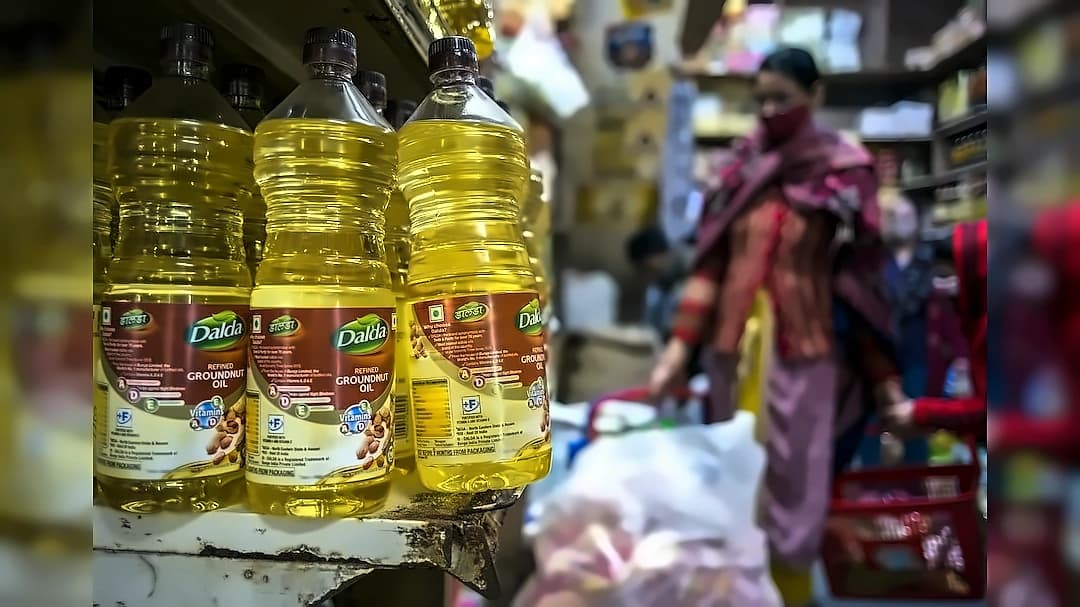
According to Bloomberg reports, global vegetable oil prices have already been rising due to geopolitical tensions in the Middle East and increased biofuel demand in Southeast Asia. Palm oil, the world's most-widely used edible oil, has gained about 12% since the conflict began, as top producers Indonesia and Malaysia increase biofuel production to offset higher energy costs. A United Nations gauge of global food-commodity costs climbed last month to the highest level in more than three years due to Middle East conflict disruptions. Global food commodity prices are already at multi-year highs, worsened by supply chain issues from geopolitical tensions, creating additional pressure on import costs. Analysts say a potential tariff hike in India could influence global demand and temporarily cool the recent rally in vegetable oil prices.
India's edible oil policy has historically reacted to market conditions, with the duty reduction in 2023 being a direct response to soaring domestic prices. Now, considering a duty hike signals new priorities, likely focused on protecting farmers and currency stability over keeping consumer prices low. The current reconsideration suggests a policy shift, potentially prioritizing domestic industry and currency stability over maintaining low import costs. Indian companies like Adani Wilmar and Patanjali Foods have dealt with changing import duties and global price swings, affecting their profits and market share, highlighting the sector's sensitivity to government policy changes.
Despite stated goals of supporting farmers and protecting the rupee, the proposed import duty increase carries significant risks. The tariff hike goes against last year's goal of lowering domestic inflation and could lead to higher food prices, hitting lower-income families hardest. India's heavy reliance on imports means any tariff increase will inevitably mean higher costs for consumers. Higher duties could hurt the competitiveness of Indian processed food exports that use imported edible oils, and the timing amid fragile global supply chains could make price swings worse. The government's broader push to curb imports might be seen as protectionist by trading partners, potentially leading to retaliation or trade disputes.