India's leading two-wheeler manufacturers are implementing comprehensive organizational changes to capitalize on the growing electric vehicle and premium motorcycle segments. According to reports from Mint, Hero MotoCorp, Bajaj Auto, and TVS Motor are undertaking measures including integrating EV businesses with core operations, creating dedicated leadership roles for high-growth segments, and establishing exclusive retail networks. This strategic restructuring reflects the companies' recognition that EVs and premium vehicles are urban-focused segments requiring specialized approaches to meet evolving market demands.
The restructuring comes as both EV and premium segments demonstrate strong market momentum. As reported by Mint, EV sales surged 22% to 1.4 million units in FY26, while premium motorcycles sales increased 15% to 3.5 million units. Entry-level sales rose 3% to 9.5 million units during the same period, according to Society of Indian Automobile Manufacturers (Siam) data. Latest Q1FY27 data shows scooter sales outpaced motorcycles with 30.8% growth to 2.179 million units, compared to motorcycles' 14% growth to 3.309 million units. Siam attributed this divergence partly to last year's goods and services tax (GST) rate cut, with the growth in scooter segment continuing momentum created by reduced GST rates.
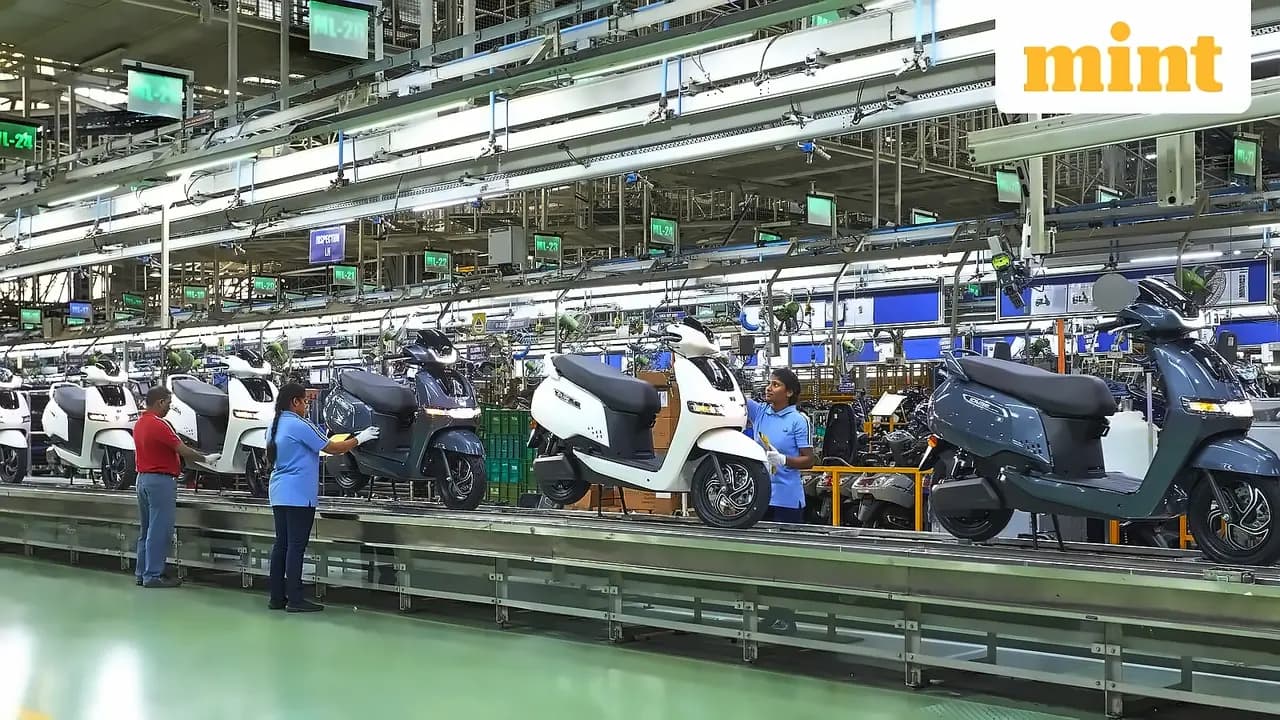
Bajaj Auto has merged its standalone electric two-wheeler business with its legacy two-wheeler division to scale up EV manufacturing capabilities. According to joint managing director Rakesh Sharma's earnings call on July 21, the company plans to double exclusive EV outlets to 1,000 over the next two years. The company is also expanding its KTM and Triumph dealership network to strengthen its premium motorcycle segment presence. Sharma explained that the retail store strategy is evolving for both electric two-wheeler business through the Chetak brand and premium motorcycle brands, with 530-550 stores planned to reach 1,000 stores in the coming years. The Chetak scooter has turned EBITDA-positive, with demand continuing to outpace supply capabilities.
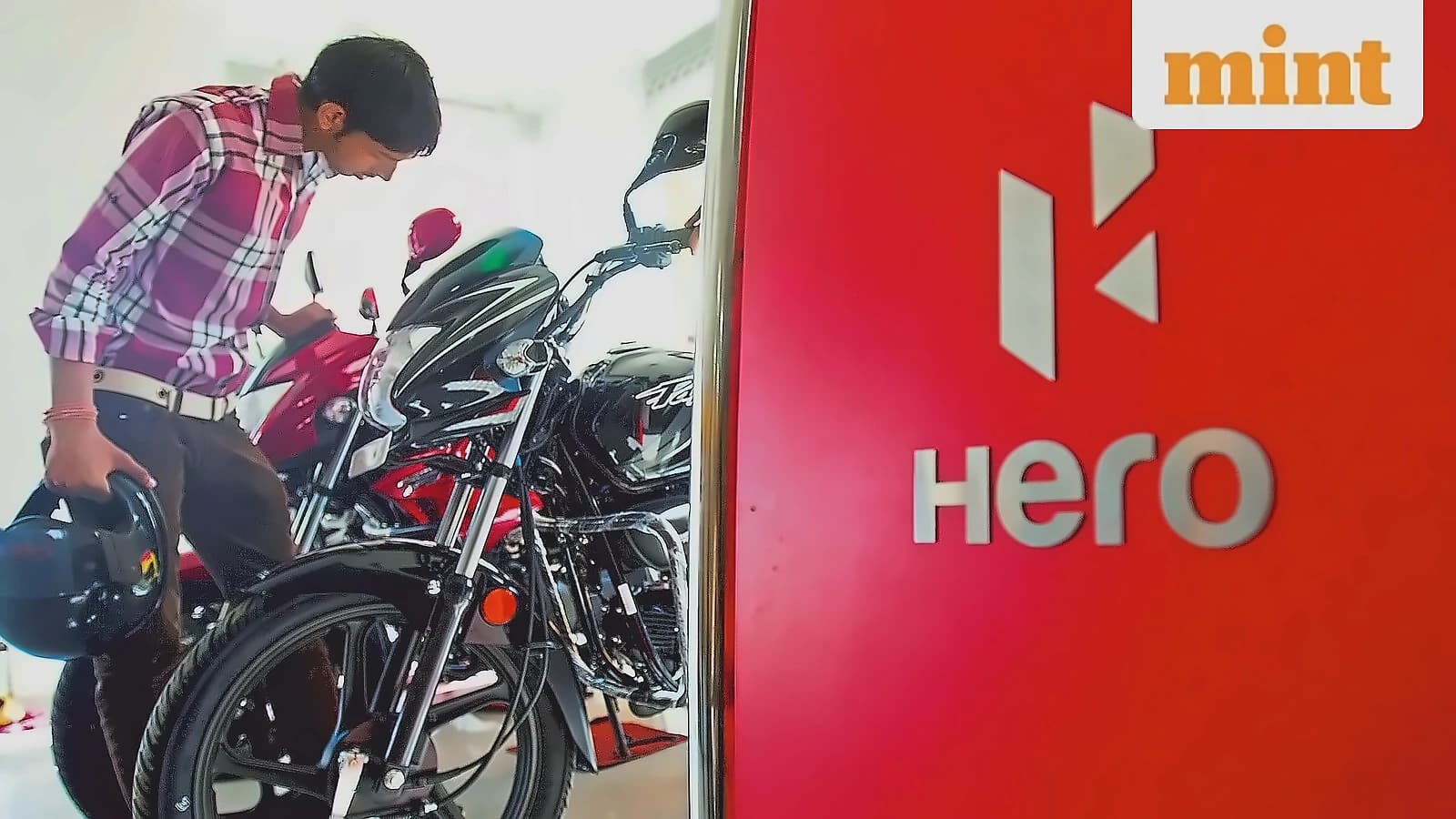
Hero MotoCorp announced the creation of a dedicated premium business leadership division and expanded premium retail outlets following the appointment of Kausalya Nandakumar as chief business officer of its Emerging Mobility Business Unit in July last year. The company launched multiple new products across motorcycles and scooters, including the Glamour X, Xtreme 125R, Xtreme 250R, Xoom 160, XPulse 210 and the Harley-Davidson X440 T in FY26. Anuj Dua was appointed as chief business officer to lead the premium segment, overseeing portfolio expansion and exclusive retail store rollout. The company expanded its exclusive Hero Premia retail and service network to more than 130 stores across India and is leveraging its Dakar Rally programme to establish dominance in the premium motorcycle mindspace.
TVS Motor combined its EV and commuter business leadership in FY26 to improve planning and execution while creating a new TVS Paddock retail network for premium vehicles. The company elevated Aniruddha Haldar to lead its EV business in addition to his existing responsibilities as head of the commuter business and corporate brand and media. According to company executives, the integration with the commuter business has enabled better planning and expansion of the business. TVS Paddock is scheduled to launch in Q2 FY27 through an exclusive premium retail channel designed to deliver bespoke customer experiences. Management indicated investments in brand-building initiatives to solidify premium positioning, with products like Apache and Ronin expected to perform well. The company has invested approximately ₹2,500 crore in Norton Motorcycles to target adventure and sport-touring segments.
Every company described capacity, not demand, as the binding constraint in their electric vehicle operations. Hero MotoCorp's CEO Harshavardhan Chitale reported that EV channel inventory had fallen to two to three days, calling it proof of pent-up demand, with capacity set to triple to 45,000 units a month by financial year-end. TVS's management indicated the company is moving to 50,000-plus EV capacity from 40,000 currently. Bajaj's Chetak scooter has turned EBITDA-positive, with joint managing director Rakesh Sharma noting that demand continues to remain ahead of our ability to supply. Export performance has emerged as a reliable growth lever, with Hero's exports growing more than 60% in the quarter, Bajaj's exports crossing 732,000 units taking exports to 40% of company revenue, and TVS logging its highest-ever international sales at 4.68 lakh units.