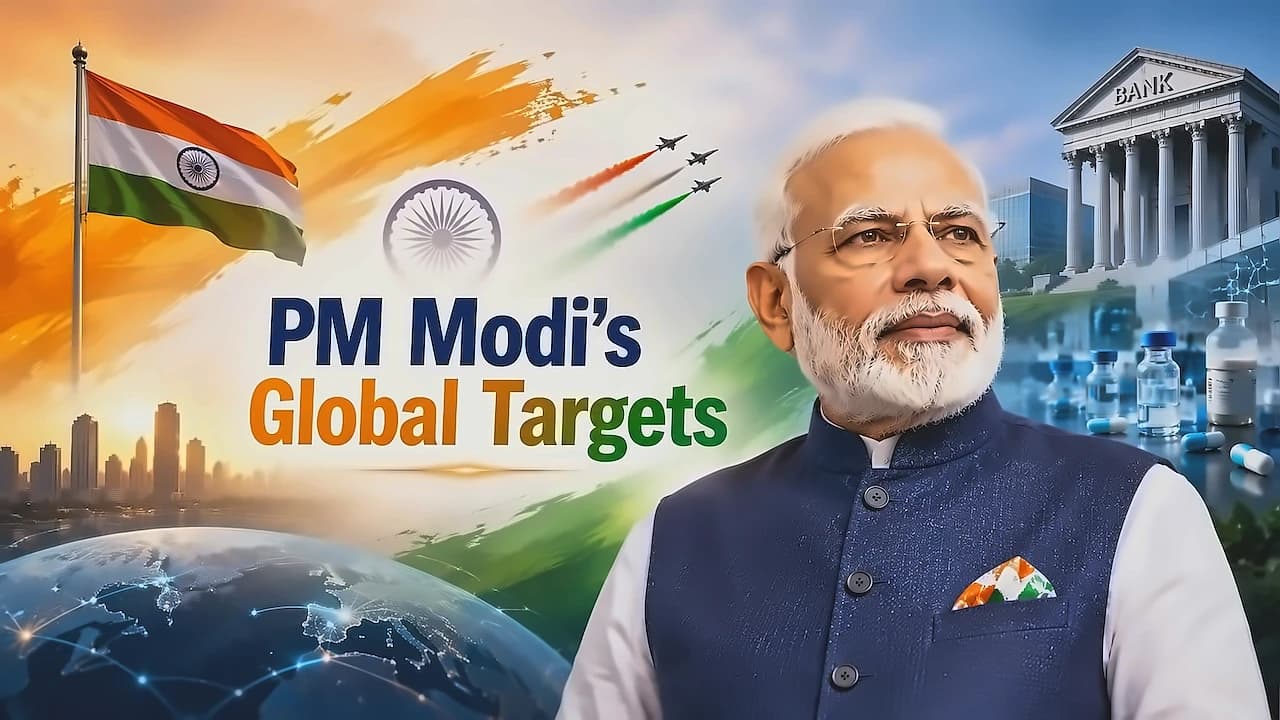
India and the Netherlands have unveiled a comprehensive 2026-2030 strategic partnership roadmap covering multiple sectors including pharmaceuticals, semiconductors, renewable energy, and maritime cooperation. According to the latest bilateral agreement, the partnership will focus on emerging technologies, innovation, science and education with special emphasis on semiconductors, AI, cybersecurity, energy materials and biomolecular technologies. The framework includes emerging technologies, innovation, science and education collaboration, with both countries enhancing innovation and research through existing Joint Working Groups on Science, Technology and Innovation. As per Prime Minister Narendra Modi, the partnership is being taken to a strategic level with ambitious new initiatives including an ambitious joint roadmap in Green Hydrogen. The latest developments show both countries are committed to taking this partnership to the next level with significant scope identified in vaccines, cancer care, digital health, nutrition and medical devices.
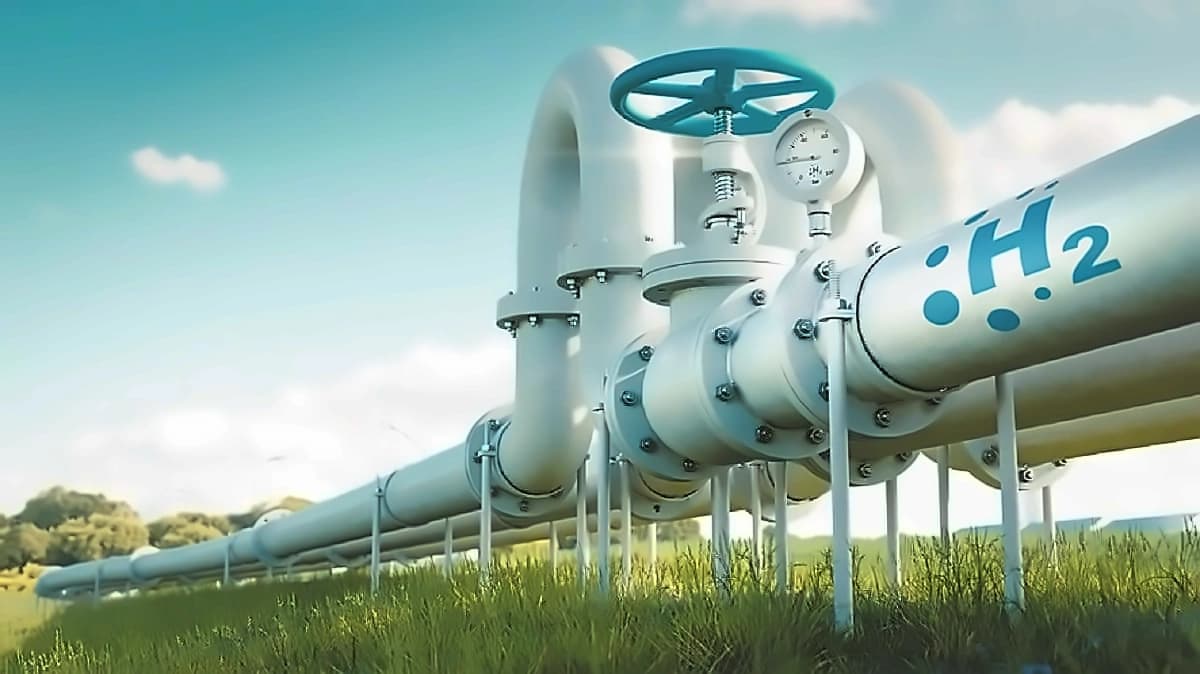
The partnership includes promoting bilateral cooperation in renewable energy with the establishment of a Joint Working Group under the Memorandum of Understanding on Renewable Energy covering innovative solar energy, green hydrogen, storage and investments in the renewable energy sector. The leaders launched the ambitious India-Netherlands Roadmap on the Development of Green Hydrogen to support India's ambition and competitive advantages for production, usage and export of Green Hydrogen. The renewal of the Joint Statement of Intent on Capacity Building for Energy Transition between NITI Aayog and the Netherlands ensures continued collaboration in Energy Security and Transition areas. The partnership also includes the signing of a Memorandum of Understanding between the University of Groningen (RUG) and 19 Indian Institutes of Technology (IITs) to strengthen academic cooperation, along with a PhD Fellowship Programme on Hydrogen between the Department of Science and Technology of India and RUG. The latest discussions emphasize moving forward towards a Design for India, Make in India and Export for India model in the green hydrogen sector.
The partnership establishes seminal semiconductor cooperation through the Memorandum of Understanding on the India-Netherlands Partnership on Semiconductors and Related Emerging Technologies. Key initiatives include connecting the Dutch Semicon Competence Centre to the Indian Semiconductor Mission to support industries, startups, scale-ups, and SMEs. The collaboration supports the Memorandum of Cooperation between Eindhoven University of Technology and University of Twente with six Indian leading Technical Institutes including IISc Bangalore, IIT Bombay, IIT Delhi, IIT Gandhinagar, IIT Guwahati and IIT Madras. This brain bridge in semiconductors and related technologies is supported by NXP, ASML, TATA and CG Semi. The partnership also includes the Indo-Dutch Semicon Online School and its continuation for the next phase. Both Prime Ministers expressed appreciation for the initiative to connect the Dutch Semicon Competence Centre to the Indian Semiconductor Mission (ISM) which aims to support and strengthen the semiconductor sector through collaboration, technology and talent development. The latest discussions highlight the huge scope in vaccines, cancer care, digital health, nutrition and medical devices for semiconductor applications.
The partnership includes promoting identified two-way investments between India and the Netherlands in priority sectors such as renewable energy, sustainable agriculture, maritime, infrastructure, pharmaceuticals, medtech and high-tech. Both sides will facilitate business-to-business matchmaking, support joint ventures and public-private partnerships, and encourage collaboration between knowledge institutions and industry. The initiative is closely linked to India's expanding trade agreement network, with Commerce Minister Piyush Goyal stating that India aims to take exports to $1 trillion in the current financial year after achieving record goods and services exports of $863.11 billion in 2025-26. India has concluded multiple FTAs including agreements with the UAE, UK, Australia, New Zealand, Mauritius and the European Free Trade Association bloc. The latest discussions emphasize the huge scope in vaccines, cancer care, digital health, nutrition and medical devices for investment opportunities.
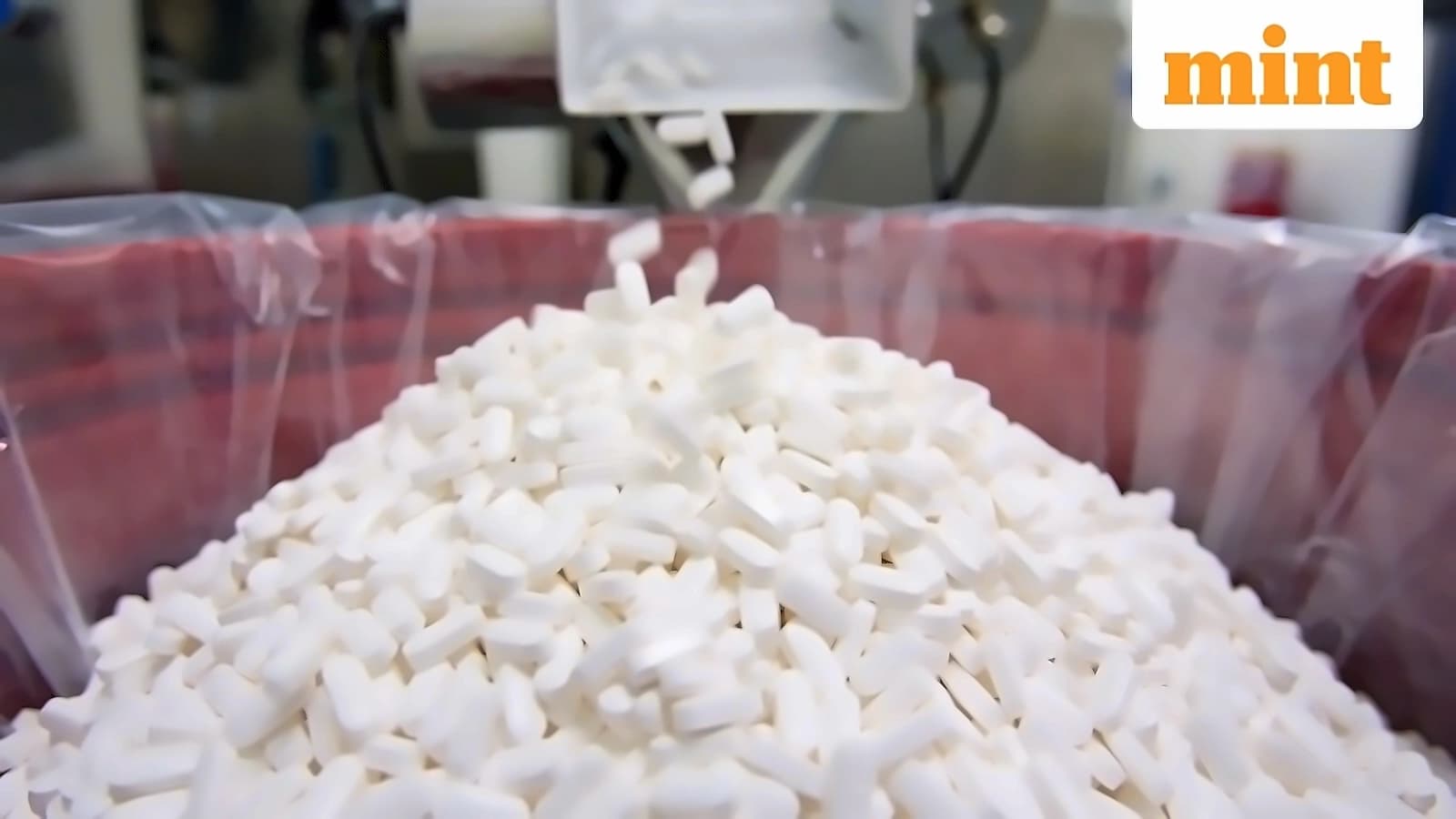
The partnership addresses global public health risks through bilateral cooperation under the Memorandum of Understanding on Healthcare & Public Health with focus on cross-border infectious diseases and anti-microbial resistance (AMR), non-communicable diseases (NCD), digital health (including AI and cybersecurity), and the interlinkages between climate change & health. The cooperation is further strengthened through the recently signed Letter of Intent between the Dutch National Institute for Public Health and the Environment (RIVM) and the Indian Council of Medical Research (ICMR). The framework includes combat global public health risks by facilitating bilateral cooperation with focus areas including infectious diseases, vector borne diseases, One Health and disease surveillance. The renewed Memorandum of Understanding includes encouragement of further cooperation in digital health (including AI and cybersecurity) and capacity building, with the first Joint Working Group meeting to be convened in 2026 to discuss implementation and development of the Memorandum of Understanding. The latest discussions emphasize moving forward towards Design for India, Make in India and Export for India models in global health cooperation.