India has unveiled a massive ₹37,500 crore scheme to promote surface coal and lignite gasification projects, marking one of the country's biggest bets on converting coal into cleaner industrial feedstocks. The 'Scheme for Promotion of Surface Coal/Lignite Gasification Projects', chaired by Prime Minister Narendra Modi, aims at accelerating India's target of gasifying 100 million tonnes of coal by 2030. The initiative is designed to cut import dependence on critical inputs such as LNG, urea, ammonia, methanol and other high-value chemicals that currently leave the economy exposed to global price swings and supply disruptions. As the West Asia crisis pushes global energy prices higher, PM Modi has urged Indians to strengthen the nation through mindful everyday choices by reducing unnecessary fuel use, supporting Swadeshi products, limiting imports and embracing responsible consumption.
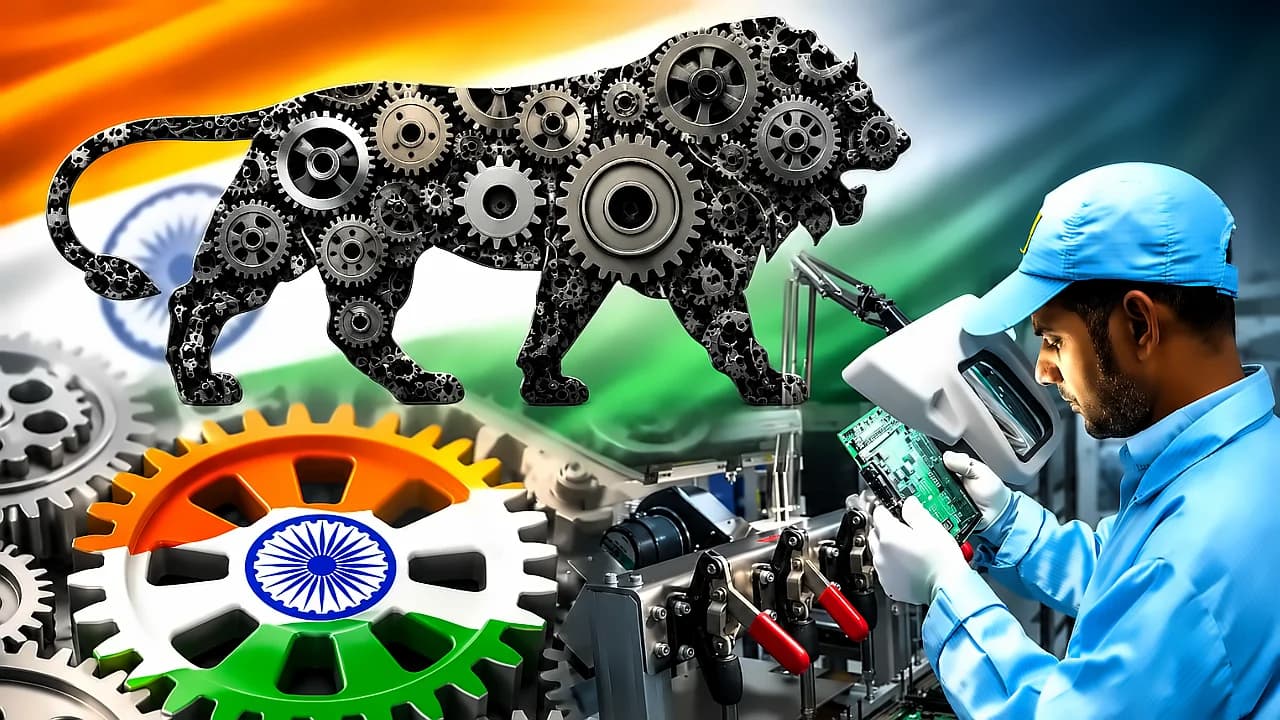
India is preparing a fresh manufacturing push centred on identifying nearly 100 products that are either not produced domestically or are inadequately manufactured despite existing capability, according to reports from The Economic Times. The initiative, outlined by Department for Promotion of Industry and Internal Trade (DPIIT) Secretary Amardeep Singh Bhatia, comes alongside a broader policy push that includes faster foreign investment approvals, easing of FDI norms, expanded free trade agreements (FTAs) and a proposed 'Made in India' branding framework aimed at improving the global positioning of Indian products. Leading by example, PM Modi has reduced the size of his convoy and his appeal is being echoed across public life and industry, with Rajya Sabha MPs, business leaders and companies adopting hybrid work models stepping up to reduce fuel consumption and support India's economic stability.
The updated Standard Operating Procedure (SOP) introduces stricter timelines for consultations with ministries and regulators such as the RBI, Ministry of Home Affairs and Ministry of External Affairs, as reported by The Economic Times. In cases where comments are not received within the stipulated period, it will be presumed that the concerned department has no objections. The changes come after the government eased certain provisions linked to Press Note 3 (PN3) — the 2020 framework introduced after the Galwan clashes to scrutinise investments from countries sharing land borders with India. As many nations struggle with uncertainty, India is responding with responsibility, resilience and unity, with people across sectors stepping up to reduce fuel consumption and support the nation's economic stability.
The government has announced expedited 60-day clearances for investments in sectors such as capital goods, electronic components, advanced battery components, polysilicon wafers and rare earth processing, according to The Economic Times. Under the latest relaxation, foreign companies with up to 10 per cent Chinese or Hong Kong shareholding can now invest through the automatic route in sectors already open to automatic FDI approval, provided the stake remains non-controlling. The initiative comes as PM Modi's appeal for mindful consumption is being adopted across public life and industry, with companies adopting hybrid work models and supporting India's economic stability through reduced fuel consumption.
The parliamentary standing committee on commerce, March 2026 report recommends strengthening domestic manufacturing capabilities to reduce dependence on imports particularly in crude petroleum, gold and electronic components, as reported by The Economic Times. The committee emphasizes focus on capacity building measures and strengthening supply chain while prioritizing value addition initiative to enhance competitiveness and improve overall trade balance with focus on real 'Make in India' and 'Aatmanirbhar Bharat' initiatives. The government argues that gasification will help convert India's domestic resource advantage into industrial resilience, reducing reliance on imports that, in FY2025 alone, were valued at around ₹2.77 lakh crore for substitutable products such as LNG, methanol, ammonia and coking coal. As PM Modi leads by example in reducing his convoy size, his appeal for mindful consumption is being echoed across sectors, with companies adopting hybrid work models and supporting India's economic stability through reduced fuel consumption.