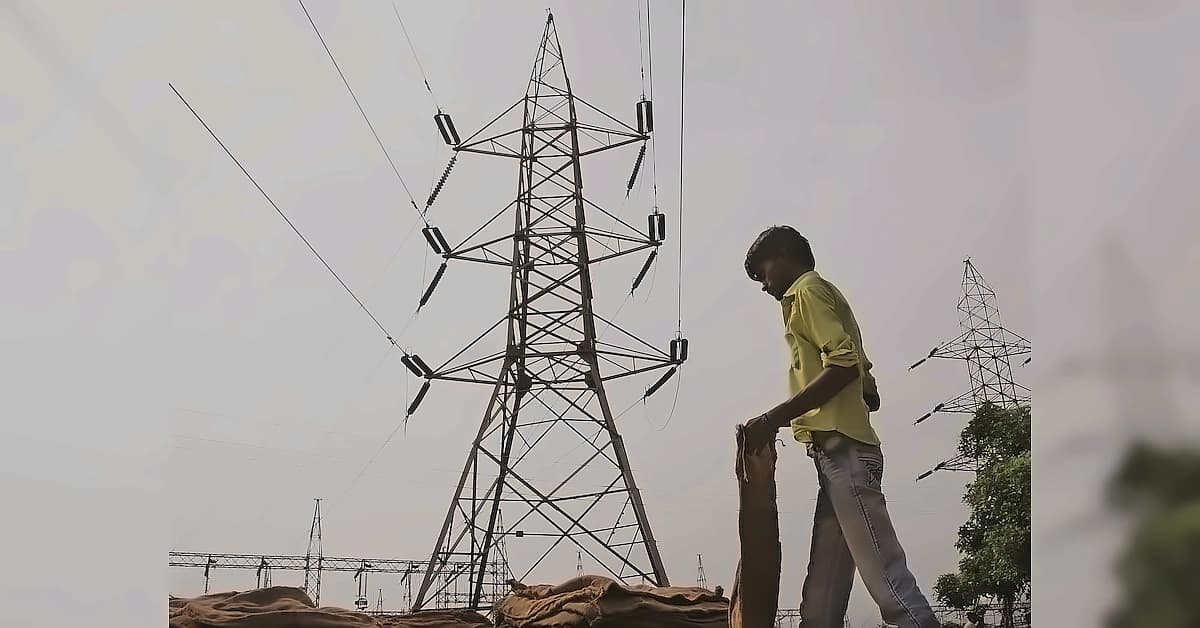
India is planning to introduce a standardised energy-efficiency labelling system for batteries used with solar photovoltaic (PV) panels and large-scale energy storage systems. According to reports from Mint, the rating will range from one to five stars, with Watt-hour (Wh) serving as the key metric for the classification. The proposed system will be implemented on the lines of the energy-efficiency labelling programme for electrical appliances run by the state-owned Bureau of Energy Efficiency (BEE) under the Union power ministry, where higher ratings indicate greater energy efficiency and improved generation and storage performance.
The new framework, likely to be finalised by September, is expected to be voluntary initially, as reported by Mint. The system will cover a range of applications, including utility-scale power supply and installations integrated with power generation and distribution projects. Different star-rating systems may be created for lead-acid and lithium-ion batteries due to differences in chemistry and performance, according to deliberations at a consultation held in June involving the BEE, battery makers Amara Raja and Exide, and state-run NTPC Ltd and Engineers India Ltd (EIL).
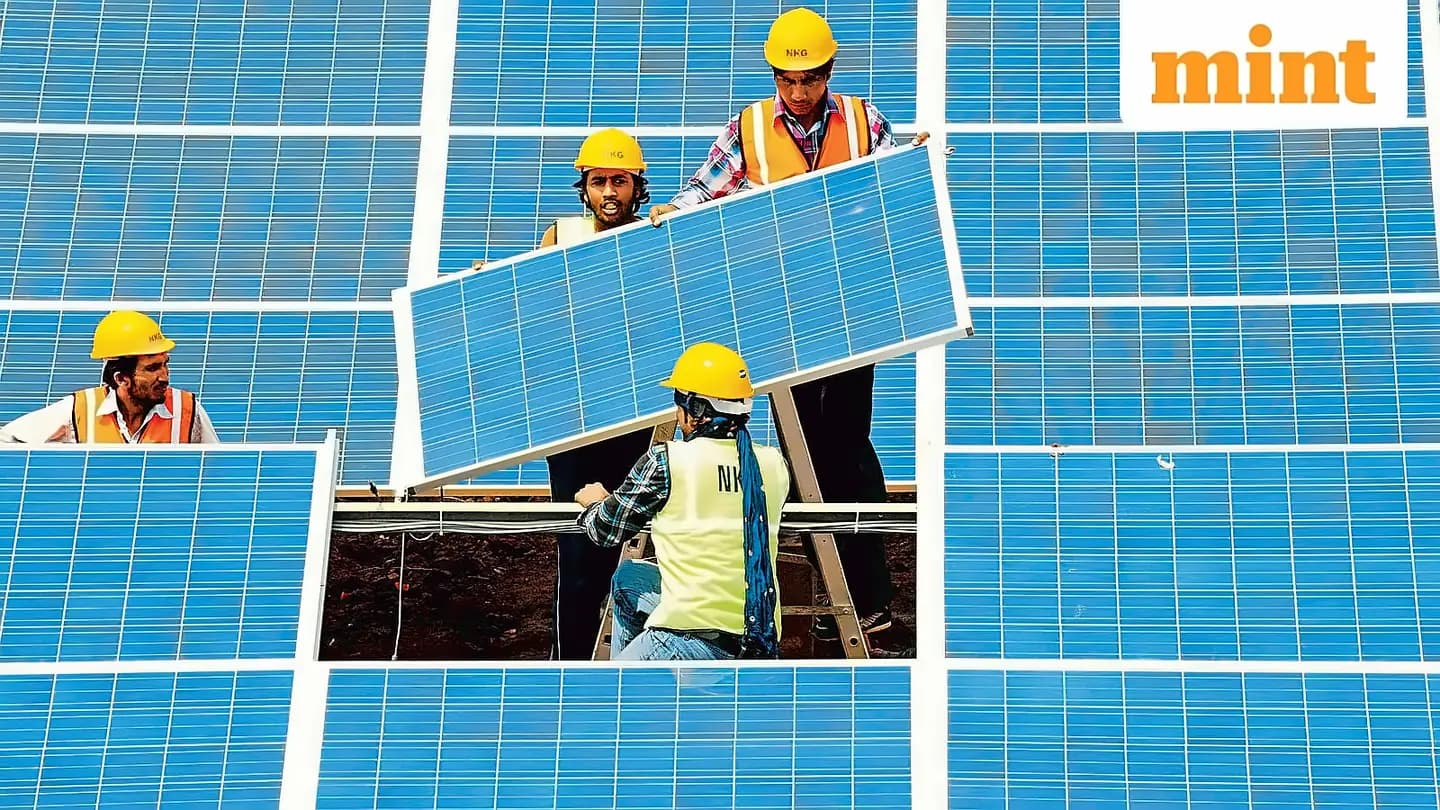
The government's expansion of the star-rating system follows energy security concerns triggered by the West Asia war when crude oil prices skyrocketed to above $100 per barrel. As reported by Mint, the spike significantly widened India's import bill, as the world's most populous country relies on imports for nearly 90% of its oil demand. The plan gains importance in light of India's ambitious solar and wind energy expansion and their variable nature, with battery energy storage systems (BESS) seen as critical to the country's energy transition.
India has a battery storage capacity of 798 megawatt-hours (MWh) and plans to place 47 gigawatts (GW) of battery storage capacity orders requiring an investment of $38 billion, according to Mint reports. The International Energy Agency reported in February that 108 GW of new battery storage capacity was deployed worldwide in 2025, representing 40% more than in 2024. Lithium-iron phosphate (LFP) batteries now account for around 90% of deployments, with around 80% of new battery capacity in 2025 being utility-scale.
Some experts emphasize the importance of label visibility for consumer awareness. As reported by Mint, Shyamasis Das from the Centre for Social and Economic Progress noted that the star-rating label contains technical information, but what catches consumer attention is the number of stars. The ongoing discussions are largely about determining an appropriate methodology for assessing battery energy efficiency, defined as the amount of energy delivered by a fully-charged battery compared to the energy supplied to charge it fully. Some ideas have been discussed about whether the star-label can be shown digitally or electronically for batteries.