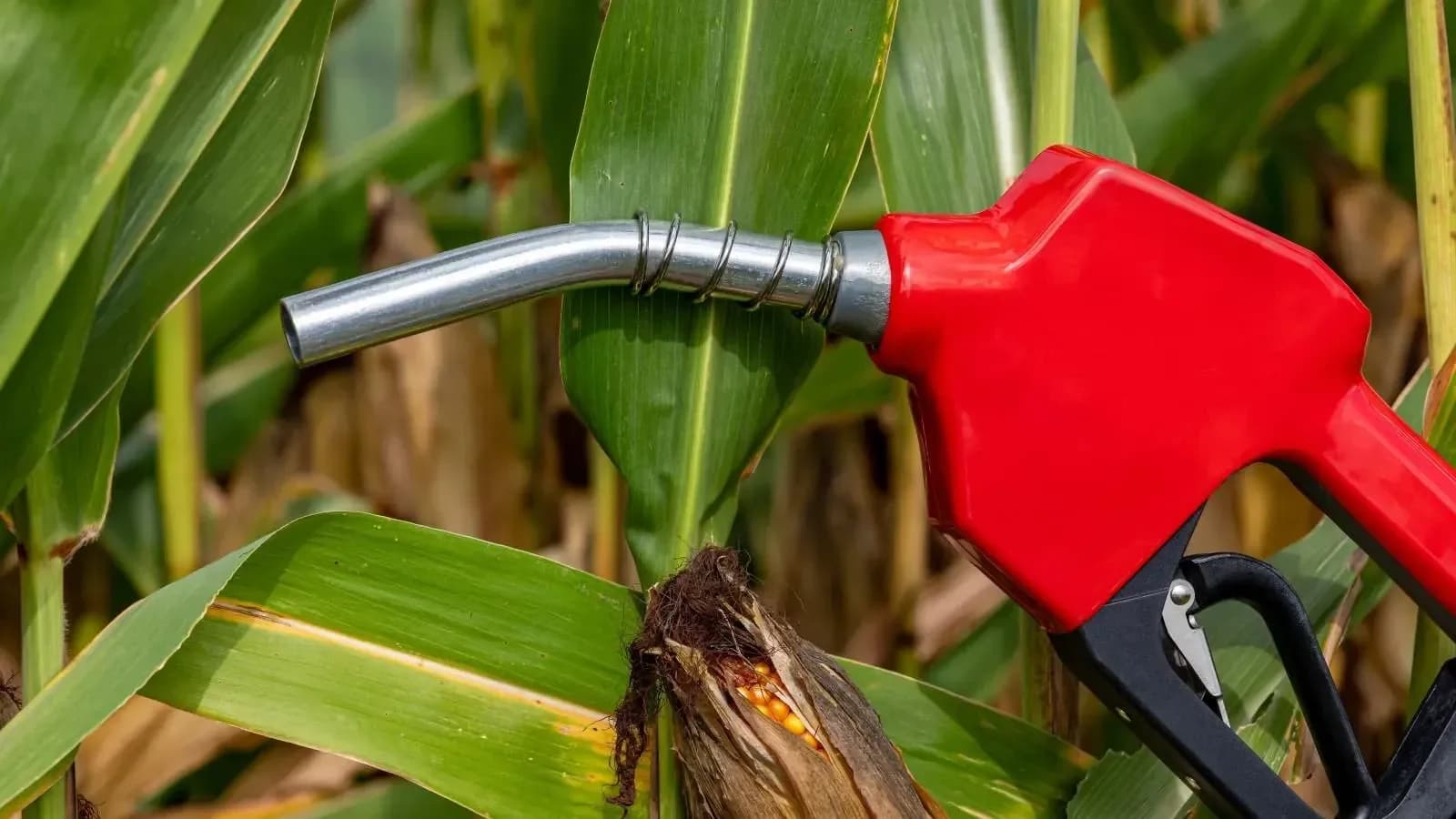
India has notified fuel standards for petrol blended with up to 30% ethanol, marking another significant step in the government's push towards higher ethanol use in transport fuels amid escalating energy security concerns. According to a Gazette notification published on 18 May 2026, the Bureau of Indian Standards (BIS) has notified specifications for E22, E25, E27 and E30 fuel blends, covering 'admixture of anhydrous ethanol and motor gasoline for usage in the positive ignition engine-powered vehicles'. The standards came into effect from 15 May 2026 and provide the technical specification framework for higher ethanol-blended petrol engines for use in vehicles. This development comes as the country grapples with a crude supply squeeze and volatile prices triggered by the West Asia war, especially the closure of the Strait of Hormuz waterway, through which 20% of the world's oil supply passes.
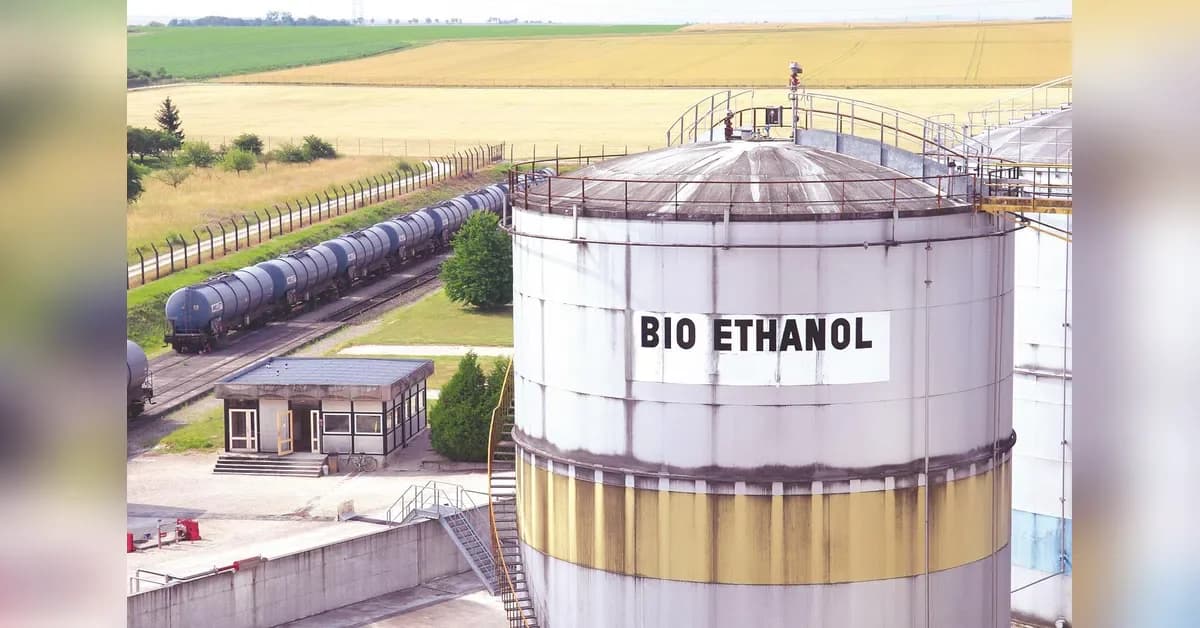
The notification comes after the government advanced the target of 20% ethanol blending in petrol from 2030 to 2025-26. As reported by Business Standard, the Centre has also begun evaluating the feasibility of higher blends such as E85, while assessing whether India's fuel retail and automobile ecosystem is ready for a wider transition. Ethanol lobby group All India Distillers' Association (AIDA) has welcomed the move, with president Vijendra Singh calling it "a progressive and forward-looking step that reinforces the government's long-term commitment towards higher ethanol adoption, reduced crude oil dependence, and a cleaner mobility ecosystem." According to AIDA data, India's ethanol production capacity is about 20 billion litres as of March 2026, while demand under the 20% blending mandate is around 11 billion litres, indicating significant surplus capacity that could be absorbed through higher blends.
R.C. Bhargava, chairman of Maruti Suzuki India Ltd, the largest automobile manufacturer in India, said the company has the capability to comply with the new standards. "If the government decides to implement it and it becomes a standard requirement for everybody, we will comply. We have the capability to comply with it," Bhargava stated. Automobile manufacturers are developing flex-fuel vehicles that can operate on multiple ethanol blends, with several companies already testing or showcasing compatible models in the domestic market. The new norms lay down technical requirements for safe use of higher ethanol-blended petrol in vehicles, including percentage of ethanol to be blended with petrol, octane levels, sulphur limits, water content, vapour pressure, corrosion resistance and fuel stability. The standards are also aimed at ensuring compatibility of the fuel with engines, fuel injection systems and vehicle components as India gradually moves towards flex-fuel and higher ethanol-compatible vehicles.
The latest BIS notification does not mandate immediate nationwide sale of E30 fuel, but lays down the technical specifications required for such blends to be introduced in the market. As reported by Business Standard, this approach allows for a phased implementation while ensuring technical readiness across the fuel distribution network. The move represents India's continued commitment to expanding its biofuels ecosystem and reducing dependence on crude oil imports through domestic ethanol production and blending initiatives. Such a move would also likely raise the capacity utilization of ethanol from the current 50%, significantly improving the economic viability of domestic ethanol production. The standards form part of a fresh specification category for higher ethanol blends beyond E20, providing the technical foundation for the government's long-term ethanol adoption strategy.