The government is implementing a phased rollback strategy for emergency energy-security measures introduced during the West Asia crisis, with officials closely monitoring market conditions before making final decisions. According to latest reports, the government is taking a calibrated approach and will wait for greater clarity over the implementation of the agreement before removing curbs. As per government officials, "all the measures we took during this crisis period will be reviewed and once we feel confident that the situation has normalised, we will start rolling those back." The existing measures will remain in place for now to ensure uninterrupted fuel availability and protect domestic supplies, with the relaxation dependent on normalisation of supply conditions and sustained improvement in the fuel market environment.
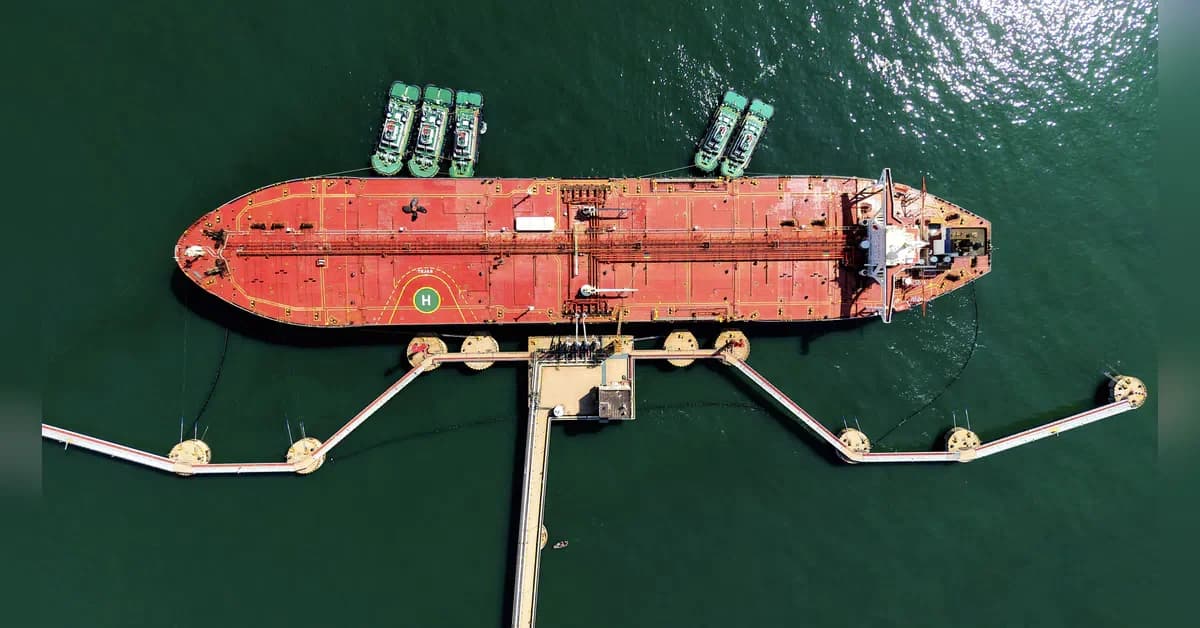
The emergency steps were preventive and aimed at ensuring uninterrupted supplies of essential fuels during a period of heightened geopolitical uncertainty. The West Asia war, which broke out on February 28 with the US and Israel striking Iran, led to an effective halt in vessel movements through the critical chokepoint of the Strait of Hormuz, which accounted for a fifth of global oil and liquefied natural gas flows. Supply of crude oil and natural gas through the Strait was disrupted since the Iran war began at the end of February, with crude oil prices rising to as high as $119 per barrel at the peak of war-related disruption, from $70-72 a barrel in February. The reopening of shipping lanes through the Strait of Hormuz is significant for global energy markets, given that the narrow waterway handles about one-fifth of the world's oil trade and had emerged as a key source of concern during the conflict. India, being one of the world's biggest oil purchasers, now has hope that the Strait would be reopened or at least normalised for shipping.
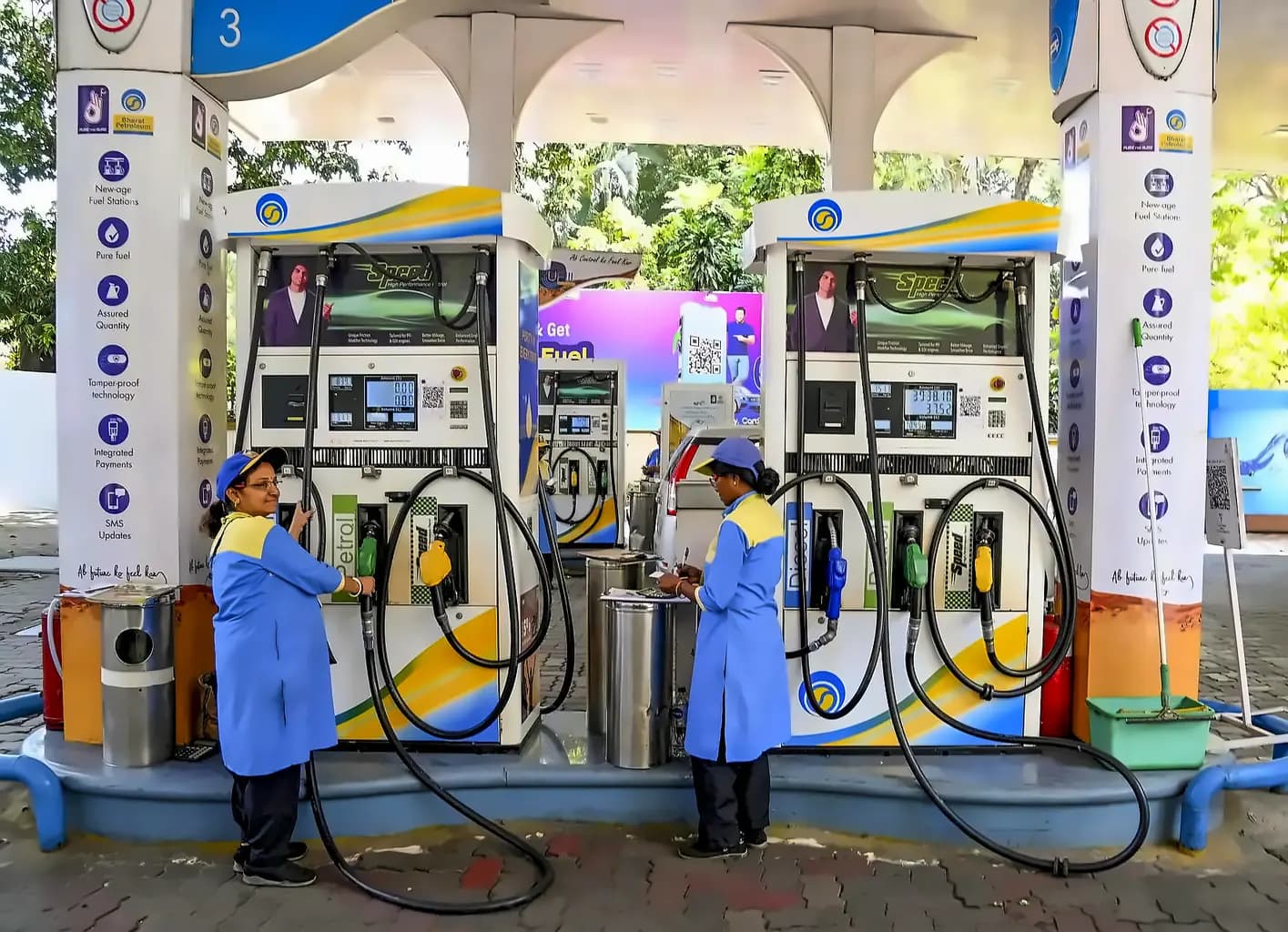
Oil prices have fallen to a three-month low, with Brent crude trading at about $78.8 a barrel on Thursday afternoon, down from crossing $100 a barrel during the fighting. Oil marketing companies imposed restrictions on petroleum product sales during the conflict, with LPG booking intervals extended to 45 days in rural areas and 25 days in urban markets, while diesel purchases at retail outlets were capped at 200 litres a day per consumer. Despite the price increases, state-owned oil companies continue to lose about ₹550 crore a day as retail rates lag cost, the official said. The ceasefire has already had an impact on financial markets, with the rupee strengthening to 94.33, climbing 20 paise from Wednesday's 94.53, and the benchmark Nifty closing 0.34% higher as investors bet that lower crude prices would ease geopolitical risks. For oil refiners, fertiliser units, petrochemical producers, and power plants, the prospect of safer movement of ships through the Persian Gulf brought immediate relief, with war-risk premia on tankers expected to come down and shipping lines restoring schedules.
The government invoked the LPG (Supply and Distribution Regulation) Order, empowering authorities to closely monitor inventories, prevent diversion of domestic cylinders and crack down on hoarding or black-market sales. State governments and oil marketing companies were directed to maintain heightened surveillance over LPG distribution networks and ensure uninterrupted supplies to households and essential services. Refiners were asked to maximise LPG production by diverting streams previously used for petrochemical production, while public-sector fuel retailers were instructed to strengthen inventory management and discourage panic buying. Fuel retailers say the diesel restrictions have disproportionately affected agricultural consumers and rural outlets, with Monty Sehgal, spokesperson for the Petrol Pump Dealers Association Punjab, representing around 4,000 fuel stations, stating that "The 200-litre cap has mostly impacted agriculture demand. Sales at Kisan Seva Kendras have been hit. The restriction needs to be eased." The government also tightened LPG distribution norms, with allocations to commercial and industrial users reduced to preserve stocks for household consumers, while the waiting period between LPG cylinder refills was increased as part of efforts to manage demand and maintain adequate supplies.
Lower oil prices could strengthen India's macroeconomic fundamentals by easing inflationary pressures and improving external-sector indicators, said Madhavi Arora, chief economist at Emkay Financial Services. "A sustained decline in Brent prices could materially improve India's macro outlook, both externally and domestically. Our FY27 baseline forecasts of 5.1% inflation and 6.3% GDP growth currently assume Brent averaging $90 per barrel. If Brent averages at $80 a barrel, it could lower inflation by around 30 basis points while providing a roughly 15 basis-point push to growth," Arora said. The reported 14-point interim understanding envisages sanctions relief and negotiations on a reconstruction package of up to US$300 billion for Iran if a final deal is reached, which could provide relief to India's economy. Exporters stand to gain from cheaper energy and freight costs, with petroleum products, chemicals, plastics, engineering goods, textiles, and refrigerated cargoes all sensitive to fuel and logistics costs. If implemented, oil from Iran could flow more freely into global markets, improving availability and moderating prices, while construction, engineering and project-export opportunities may open for India due to its proximity to Iran and long-standing commercial links.