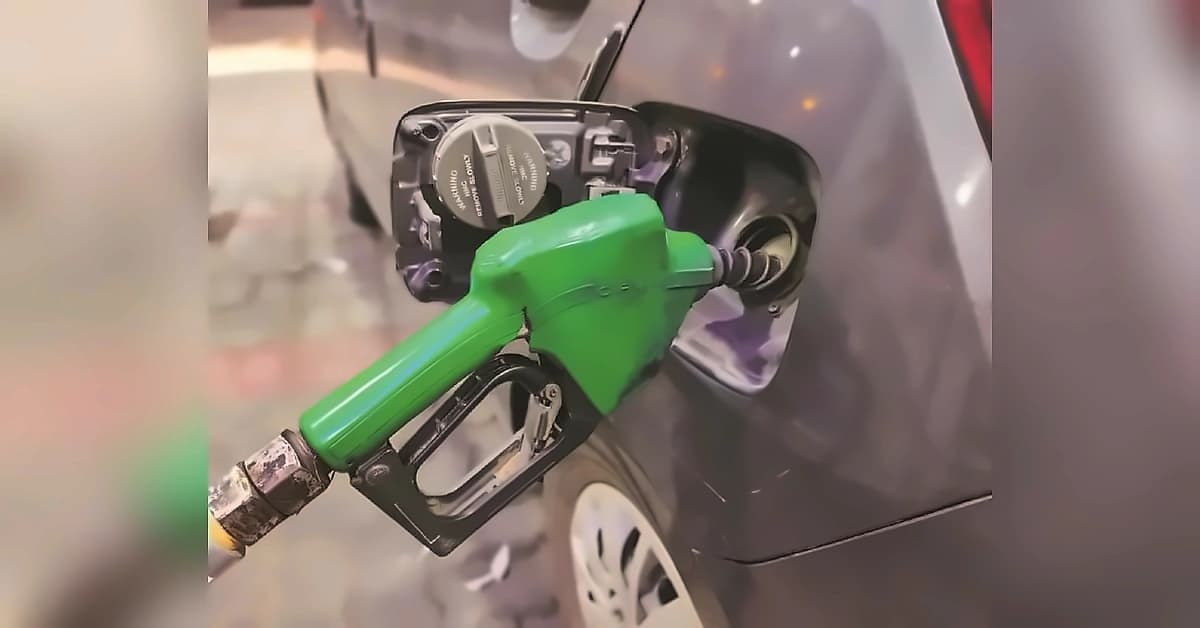
India's leading automakers Maruti Suzuki and Hero MotoCorp announced the commercial launch of their first flex-fuel vehicles with the Wagon R and Splendor + as well as the HF Deluxe motorcycle. According to reports from Business Standard, the launch was supported by two heavyweight cabinet ministers — Nitin Gadkari, union minister for roadways and transportation, and petroleum minister Hardeep Puri. While Gadkari called the launch a 'new chapter in India's energy transition', Puri urged auto companies to accelerate the introduction of flex-fuel models and oil marketing companies to rapidly expand ethanol blend E 85 availability across the country. The flex-fuel WagonR costs about ₹86,000 more than its standard version, highlighting the significant premium for these vehicles.
The question of consumer acceptability remains a critical concern for the flex-fuel initiative, with mileage being the primary concern for drivers. As reported by Zee News, the government estimates a drop of around 2 to 6 percent in mileage for E20 fuel, though several users have reported higher reductions in real-world conditions with some claiming drops between 30 and 50 percent. E85 fuel contains 85 percent ethanol and is priced about ₹20 per litre lower than regular E20 petrol, but it is not suitable for regular petrol engines due to its lower calorific value. Engineers explain that E85 has advantages in certain situations, but its lower calorific value means engine power will be lower, though the savings offered by its lower price more than compensate for that loss of power and energy.
The government announced that flex-fuel (E 85 blend) will be available at ₹82.12 per litre — around 20% cheaper than petrol — at 49 public sector fuel stations nationwide. According to Business Standard, the plan is to expand this to 500 outlets by December-end and 5,000 by the end of 2027. However, this represents only 5% of the 100,000 fuel outlets in the country and appears concentrated in big cities. In contrast, compressed natural gas (CNG) is available at over 8,600 outlets across the country, though CNG penetration is at a mere 2.5% of all registered vehicles. The government has reached E20 rollout across the country ahead of the earlier 2030 timeline, with most BS6 petrol vehicles today considered compatible with E20 fuel.
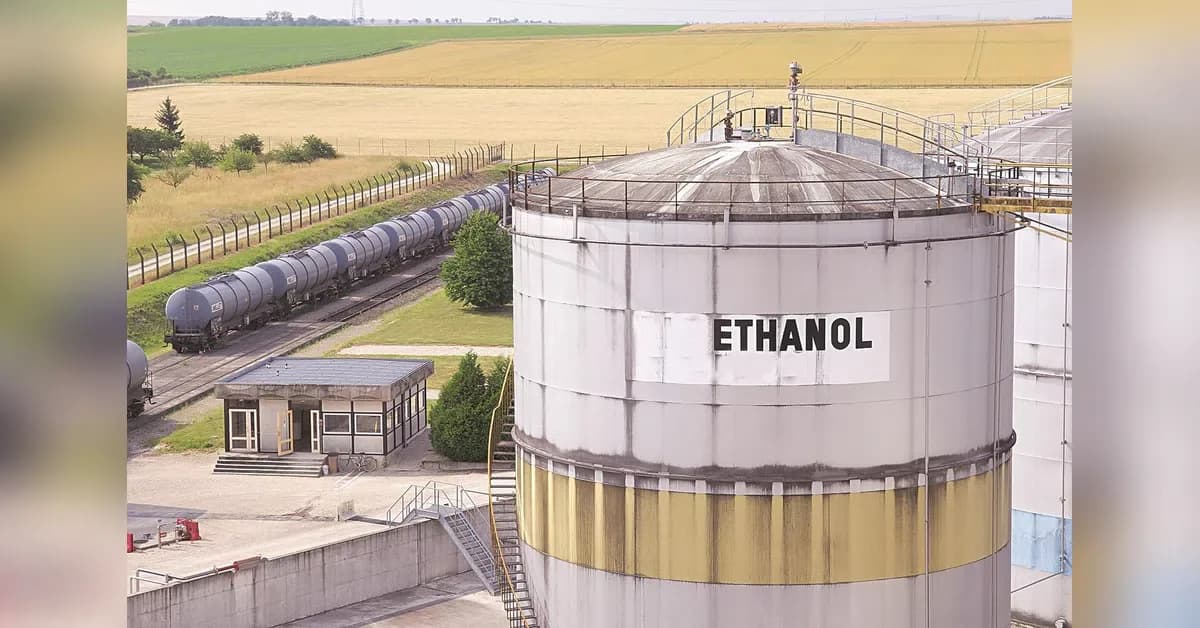
C K Jain, president of the Grain Ethanol Manufacturers Association (GEMA), stated that India has an installed capacity of 22 billion litres per annum of ethanol but only half the capacity is being used. As reported by Business Standard, Jain indicated that with new plants coming up, it is not difficult to double the capacity of ethanol to another 10 billion litres in the next 2-3 years. However, auto makers remain skeptical about these projections, with Maruti Suzuki's R C Bhargava questioning the availability of ethanol and the cost-effectiveness of flex-fuel vehicles. The E100 refers to pure ethanol fuel, with the government preparing for vehicles that run on 100 percent ethanol, with companies like Maruti Suzuki, Hyundai, Toyota and MG expected to launch E100-compatible models.
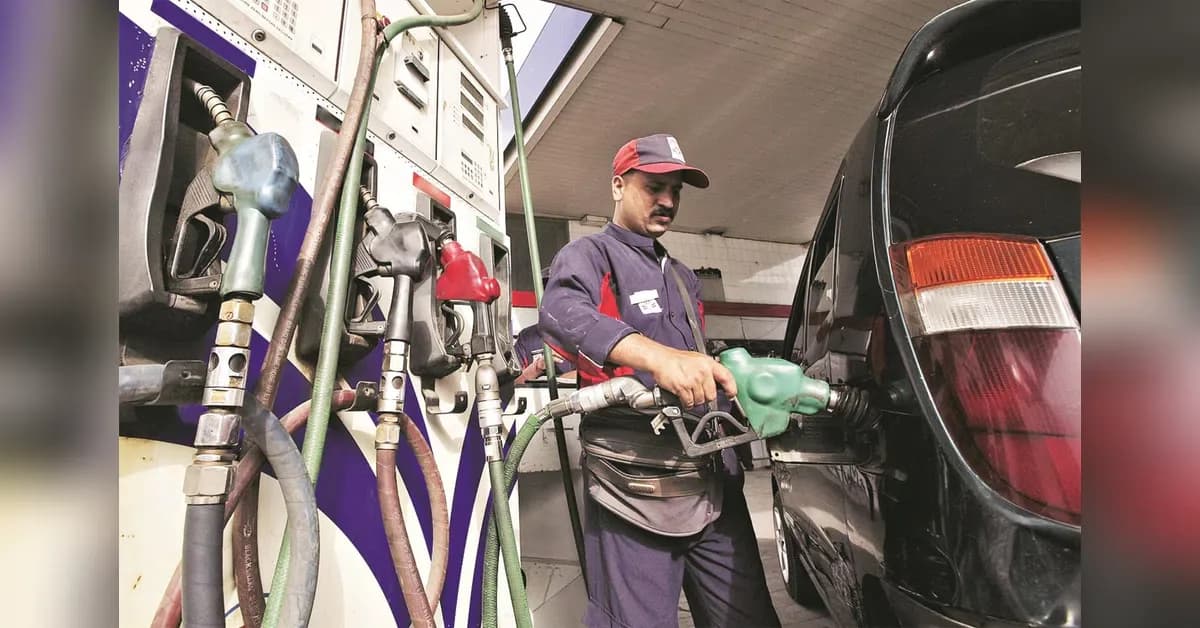
The pricing challenge remains significant, with flex-fuel vehicles costing ₹172 to around ₹2,400 more than petrol models. According to Business Standard, many vehicle makers believe that only if the price of flexi-fuel is at par with or lower than ₹77 per litre will the running cost be lower than petrol. The ethanol blending programme has already helped the country save ₹1.84 trillion in foreign exchange, with the government targeting 30% of new vehicles to be electric by 2030 amid current EV penetration of 8.5% in FY26. Farmers have earned around ₹1.58 lakh crore from ethanol production up to June 2026, supporting the policy's dual objective of reducing dependence on imported crude oil and supporting agricultural communities.