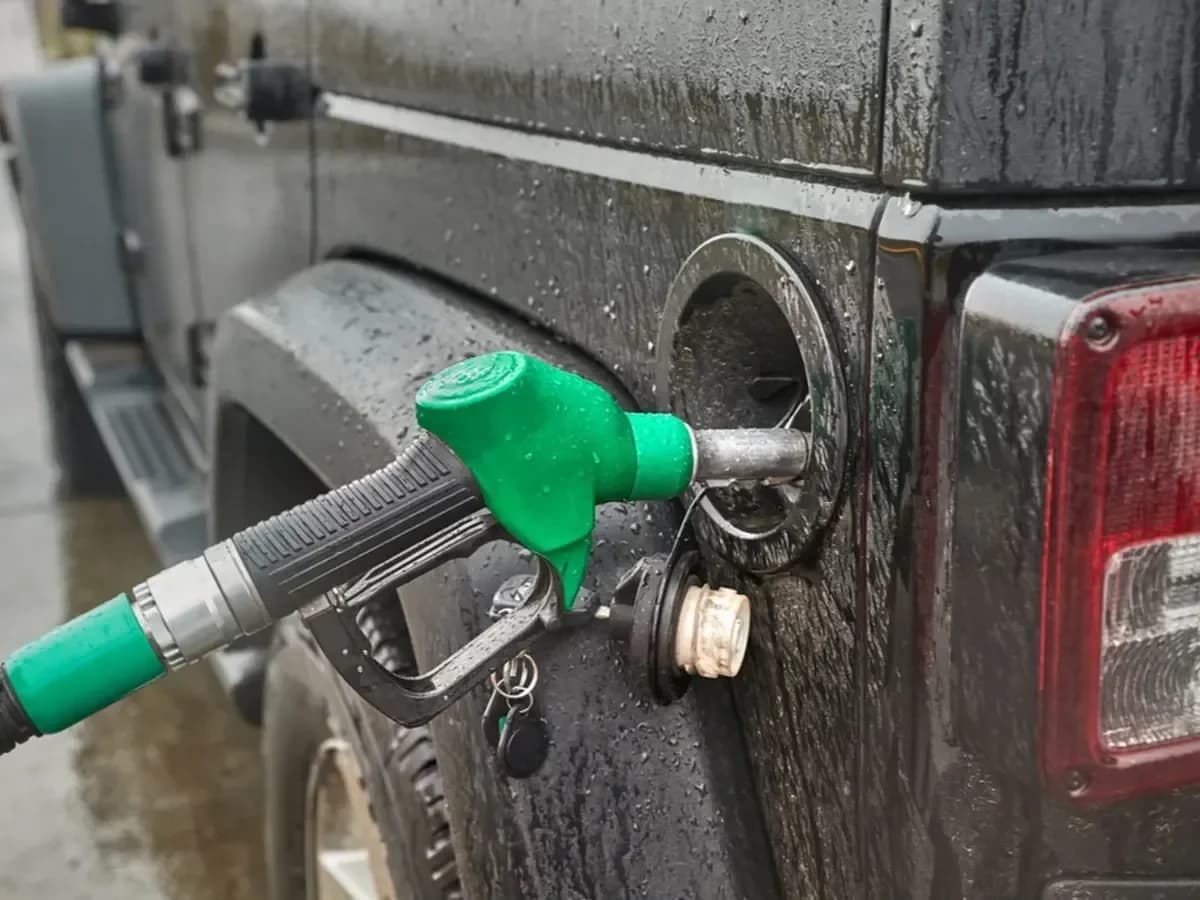
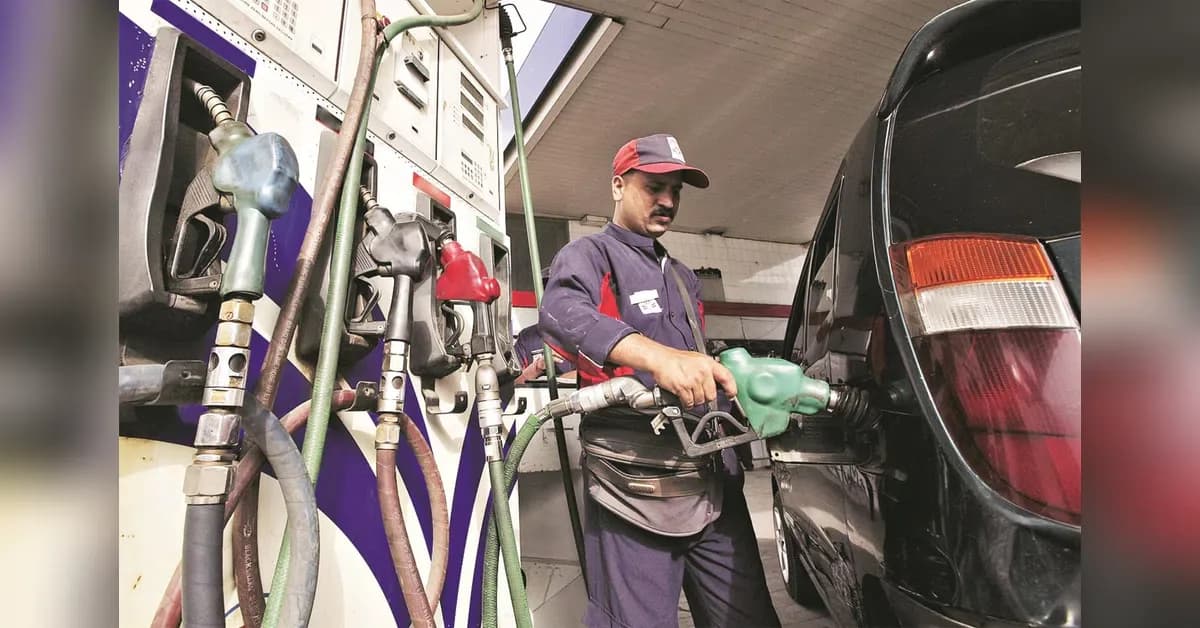
Brazil's trade minister has provided strong endorsement for India's ethanol blending programme, stating it is backed by scientific research and technical evidence. Márcio Fernando Elias Rosa, Brazil's Minister of Development, Industry, Trade and Services, told Business Standard that Brazil has achieved mandatory ethanol blending levels of up to 32 per cent without causing any damage to vehicles. The minister emphasized that for flex-fuel vehicles, it is scientifically proven that diesel can handle ethanol blends of up to 15 per cent and petrol up to 32 per cent, with Brazilian authorities currently researching whether the blend can be increased to 35 per cent. Rosa noted that decisions are made based on technical details, and expressed hope that other countries will adopt biofuels for environmental and economic reasons.
The Ministry of Heavy Industries on Tuesday clarified its position on flex-fuel vehicle incentives, stating it has not formulated any separate phased national policy to incentivise flex-fuel vehicles operating on fuel blended with 'more than 20 per cent ethanol'. According to reports from PTI, the ministry also confirmed it has not conducted any study regarding incentivization of flex-fuel and electric vehicles. This clarification comes as the government continues to focus on its existing ethanol blending programme, with the latest statement indicating there is no standalone financial incentive or subsidy policy currently planned for flex-fuel vehicles capable of using higher ethanol blends. The government has defended its ethanol blending programme, emphasizing extensive testing and large-scale field experience that has found no evidence that E20 (blended with 20 per cent ethanol) petrol causes abnormal engine wear, corrosion or reduced vehicle life.
The government has provided comprehensive details on the Production Linked Incentive scheme for Automobile and Auto Components (PLI-Auto scheme), which is being implemented on an all-India basis. As reported by Upstox News Desk, as of March 31, 2026, the scheme has attracted cumulative investment of ₹44,326 crore, recorded incremental sales of ₹52,414 crore over the base year FY2019-20, generated 67,820 jobs, and disbursed ₹2,386.36 crore as incentives. Minister of State for Heavy Industries Bhupathiraju Srinivasa Varma informed Parliament that as of July 28, 2026, 18 applicants have received domestic value addition certificates for 155 advanced automotive technology products or variants under the scheme. The PLI-Auto scheme mandates minimum Domestic Value Addition (DVA) of 50% for availing incentives to boost domestic manufacturing and localisation.
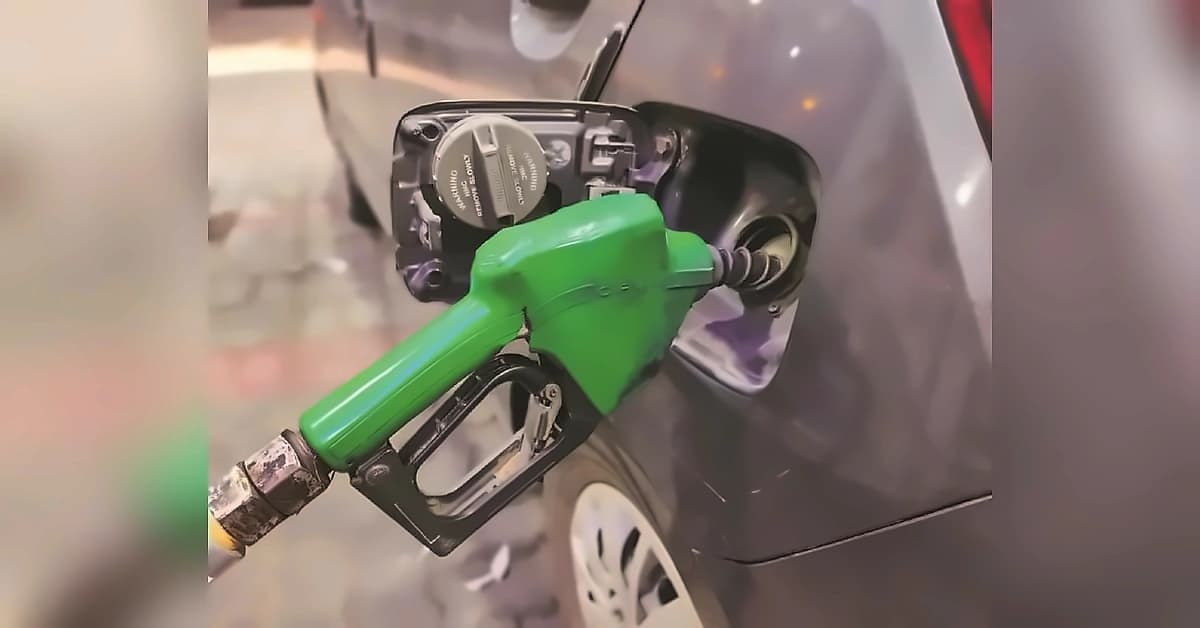
Brazil, which has implemented the world's highest mandatory ethanol blending levels, is recognised as a pioneer and global leader in large-scale bioethanol adoption. The country transformed its automobile industry with the introduction of flex-fuel vehicles (FFVs) in 2003, with FFVs now accounting for the majority of new passenger vehicle sales there. As reported by Business Standard, Brazil achieved savings of 5 billion Brazilian reals for consumers compared with petrol prices through ethanol usage. The minister explained that as long as the vehicle has a flex engine, it is irrelevant whether the blend is 15 per cent or 30 per cent; the performance is the same, and there is a reduction in greenhouse gas emissions. Most vehicles sold in India since 2023-24 are believed to be E20-compatible, while older vehicles are E10-compatible, with the government arguing that older vehicles are also compatible with E20 fuel, although mileage may decline by 3-5 per cent.
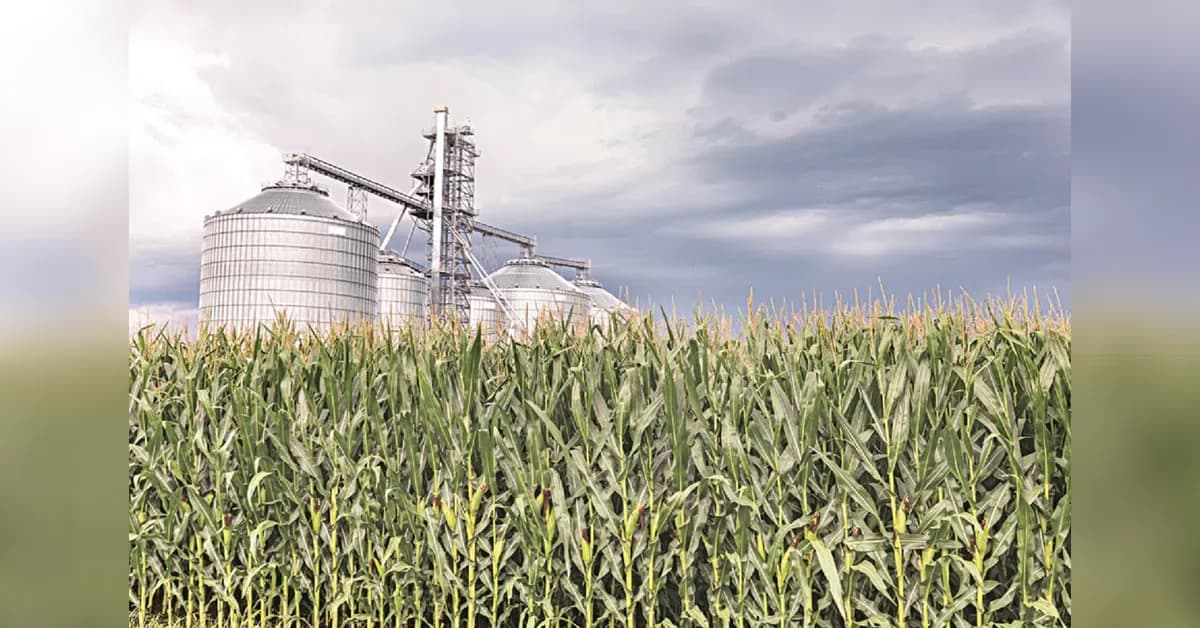
On oil trade, the Brazilian minister highlighted significant potential for crude oil exports to India to increase in line with Brazil's plans to boost production. Brazil is currently India's fifth-largest crude oil supplier, with the minister noting that Brazil is a big exporter of crude oil and there is great potential to expand crude oil exports to India. Brazil's largest oil company, Petrobras, produced 2.40 million barrels of crude oil in 2025, about 11 per cent higher than the previous year. The minister emphasized that Brazil is also investing in renewable energy, including biomethane, hydrogen and biomass, positioning the country as a potential major supplier and partner for India in reducing fossil fuel dependence. Brazil's approach aligns with India's clean mobility strategy, with the government promoting crop diversification towards comparatively less water-intensive feedstocks such as maize and the National Policy on Biofuels allowing ethanol production from multiple approved feedstocks including sugarcane, maize, and damaged foodgrains.