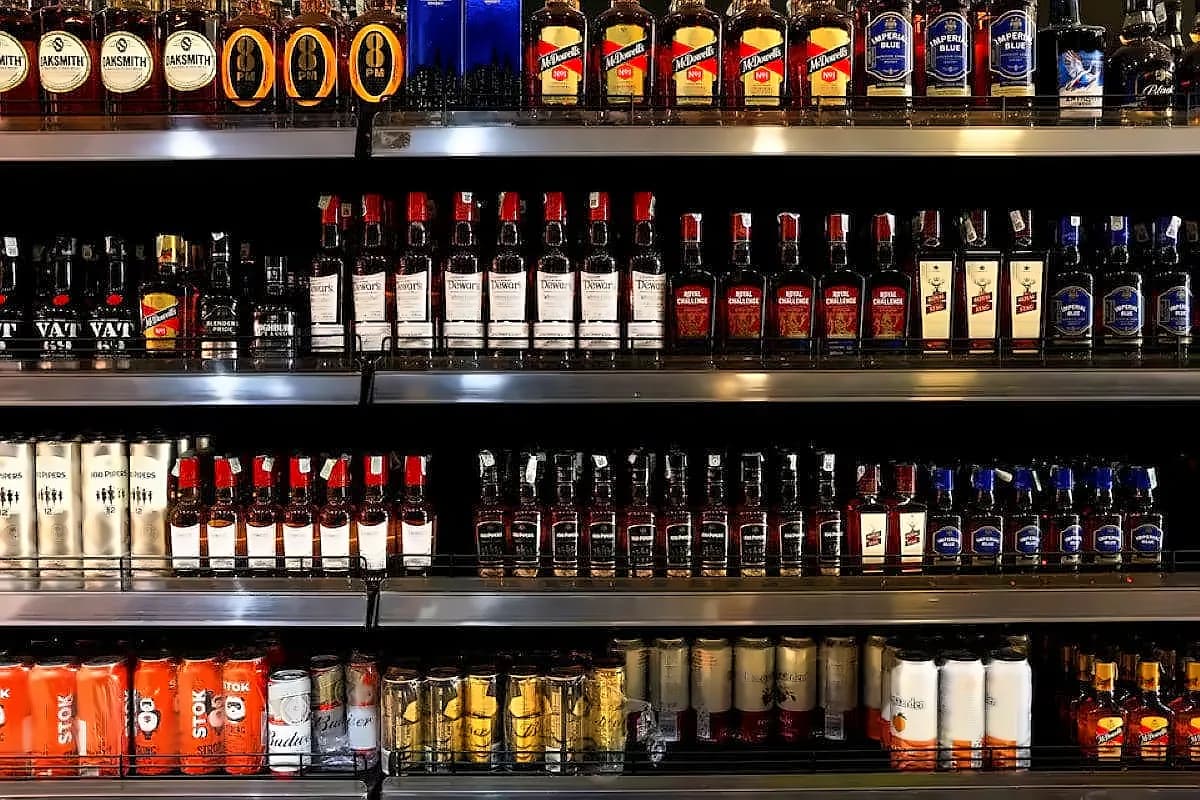
Shares of Indian liquor companies fell sharply on Thursday following reports of the 162.5% tariff on bulk Scotch imports. United Spirits, Diageo's Indian unit, fell more than 4% in early trading before paring some losses, while Radico Khaitan dropped around 3.5% and Allied Blenders and Distillers fell more than 2%. According to The Hindu BusinessLine, the higher levy could weigh on liquor makers' profitability, reversing anticipated margin benefits from lower import costs under the trade agreement. ICICI Securities said in a research note that it will put stress on margins and working capital for the affected companies. Allied Blenders had previously stated in an investor presentation that it is 'one of the largest bulk Scotch importers' and the trade pact would improve its 'luxury portfolio accessibility'.
A government official told Business Standard that the commerce department has maintained that India has offered concessions on imports of bulk Scotch whisky, while the revenue department is taking a close look at import data from recent years and studying any court cases in this area. A second government official explained that importers were wrongly claiming the concessional duty applicable to finished Scotch whisky on concentrated alcoholic preparations, which are not directly consumable and need to be diluted before use. Under the India-UK trade agreement, the duty concession applies to finished Scotch whisky, including when imported in bulk, and not to concentrated blending preparations. However, importers had allegedly misclassified these products under Chapter 22, which covers beverages including spirits, and availed of the lower duty applicable to whisky imports. The finance ministry did not respond to requests for clarification on the classification dispute, steps being taken to resolve the issue, and the timeline for clearing consignments.
The India-UK trade agreement implemented in July 2026 halved tariff rates on Scotch to 75%, with businesses and Britain hailing it as a significant win for companies like Pernod Ricard and Diageo, which import Scotch in bulk and blend it for India's ₹5.3 lakh crore liquor market. However, this marks the first major dispute linked to the India-UK pact, creating uncertainty for the landmark agreement that was celebrated on July 15, 2026. The levy applies specifically to bulk Scotch whisky shipments whose customs classification is being disputed, not to every Scotch whisky bottle imported into India. According to Business Standard, from May 1, several months after the trade deal was signed, the Customs division introduced a new eight-digit product classification category attracting a 150% import duty to cover 'compound alcoholic preparations of a kind used for the manufacture of beverages'. From November, Indian Customs authorities began reclassifying bulk Scotch shipments under this new category, treating them as industrial inputs.
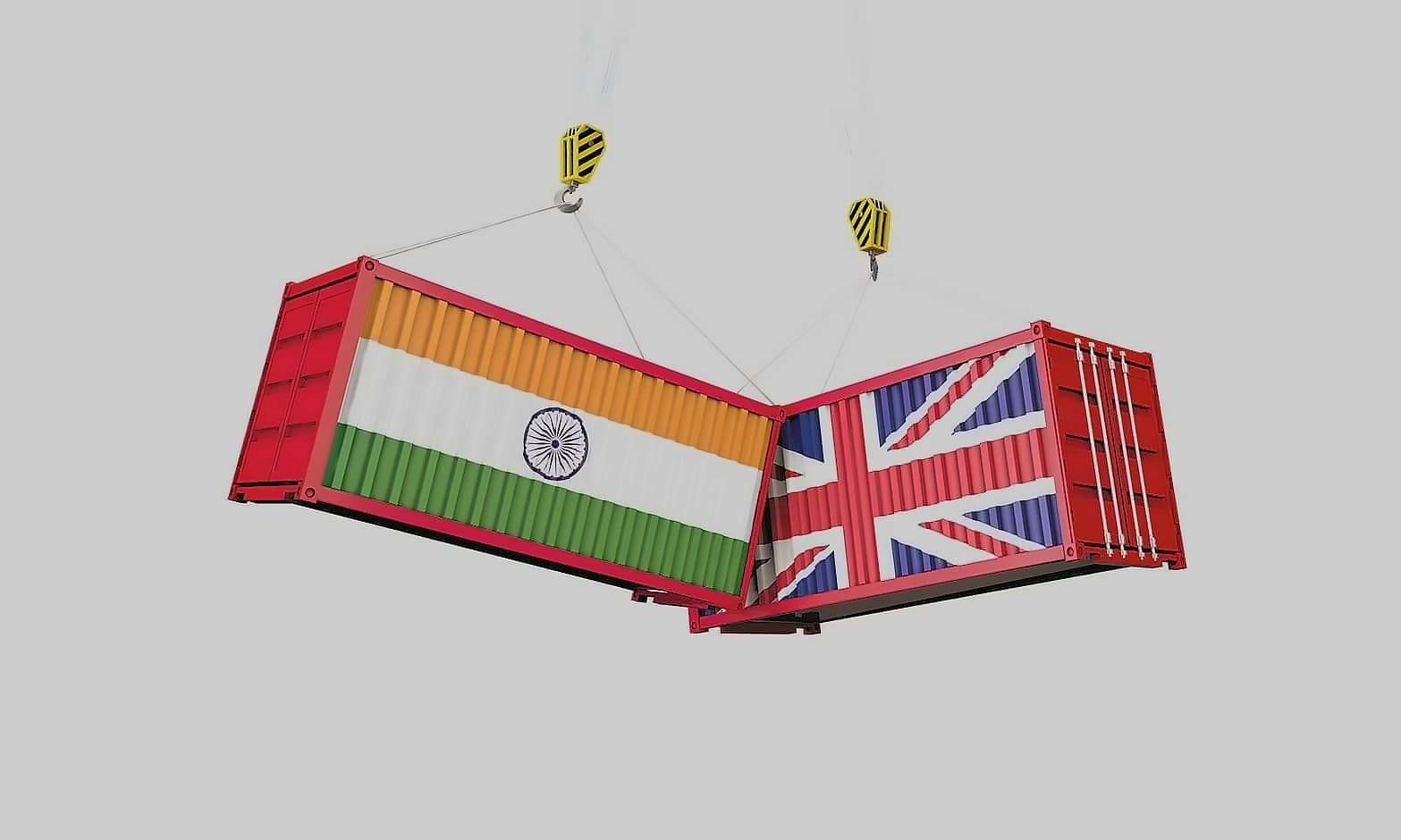
According to Reuters reports, thousands of litres of bulk Scotch in more than 80 shipping containers belonging to Pernod, Diageo and Bacardi have been stuck at ports since May. Under provisional release pending investigation, duty at 75% of the goods' value needs to be paid upfront, with the rest covered by bank guarantees. Tax officials have searched offices of many companies in recent weeks as part of the investigation. India has agreed to release shipping containers and clear new imports while the investigation is ongoing, if companies commit to a tariff plus tax of 162.5%, partly payable via bank guarantees. As reported by The Economic Times, Pernod and Diageo are arranging bank guarantees and other financing to secure the release of their detained shipments and keep operations running. Bacardi, meanwhile, is still weighing its options, three of the sources said. The International Spirits & Wines Association of India (ISWAI), representing Pernod, Diageo and other major firms, has said privately that the classification issue risks undermining an important market-access benefit negotiated between India and the UK.
The UK government has repeatedly said it is working with New Delhi to resolve this issue 'urgently' to ensure UK businesses can export under the tariffs agreed in the trade deal. A UK government spokesperson confirmed that ministers were 'urgently' working with the Government of India to resolve the issue. Scotland's leader John Swinney also raised the treatment of bulk Scotch whisky exports with the Indian government. India's Commerce Secretary Rajesh Agrawal said on November 13 that the country would honour the duty concessions agreed under the trade pact, with the Finance Ministry having engaged with stakeholders and stating that the classification-related issue would be resolved soon. A government official cited by Business Standard warned that the commerce and finance ministries must resolve the matter at the earliest, as it risks causing India a loss of face internationally. The Scotch Whisky Association has forecast the trade deal could boost Scotch exports to India by $1.34 billion over five years. According to Business Standard, Ajay Srivastava from GTRI said Customs should tax bulk Scotch based on what arrives at the border, noting that 'if the liquid is already Scotch whisky, shipping it in large containers or adding water later before bottling does not change what was imported'.