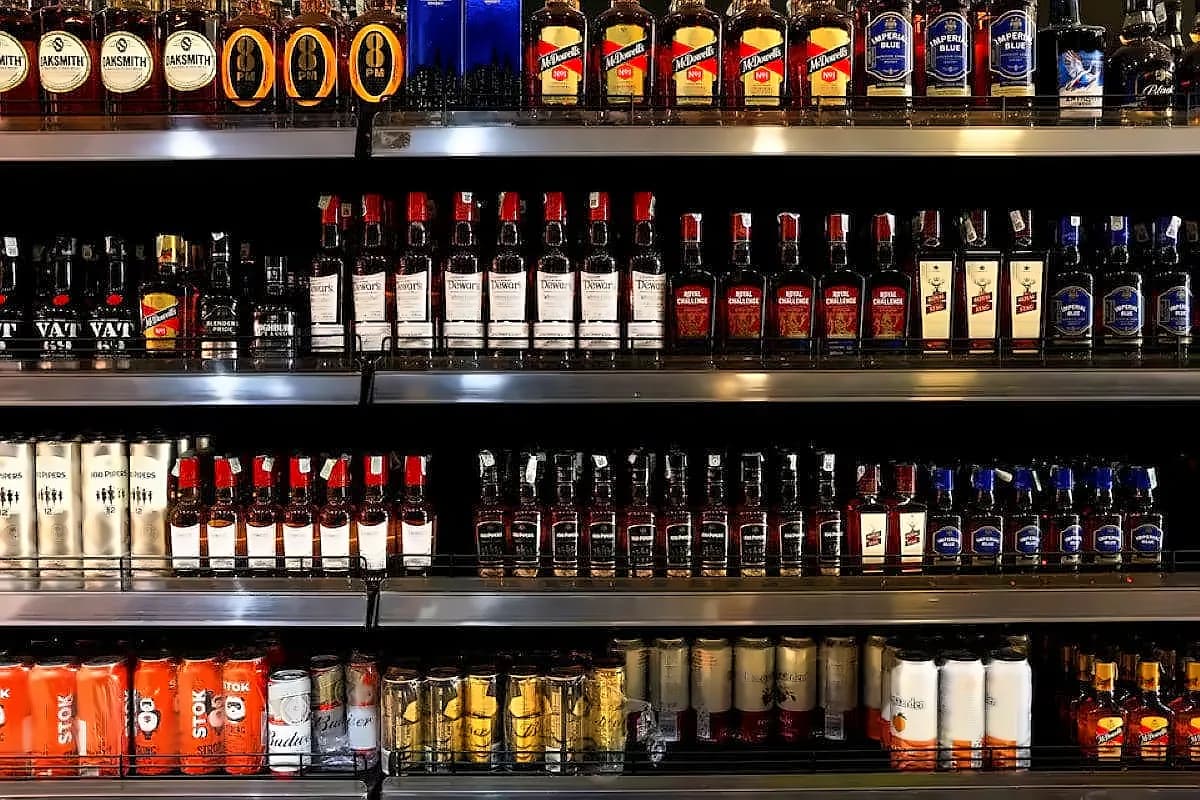
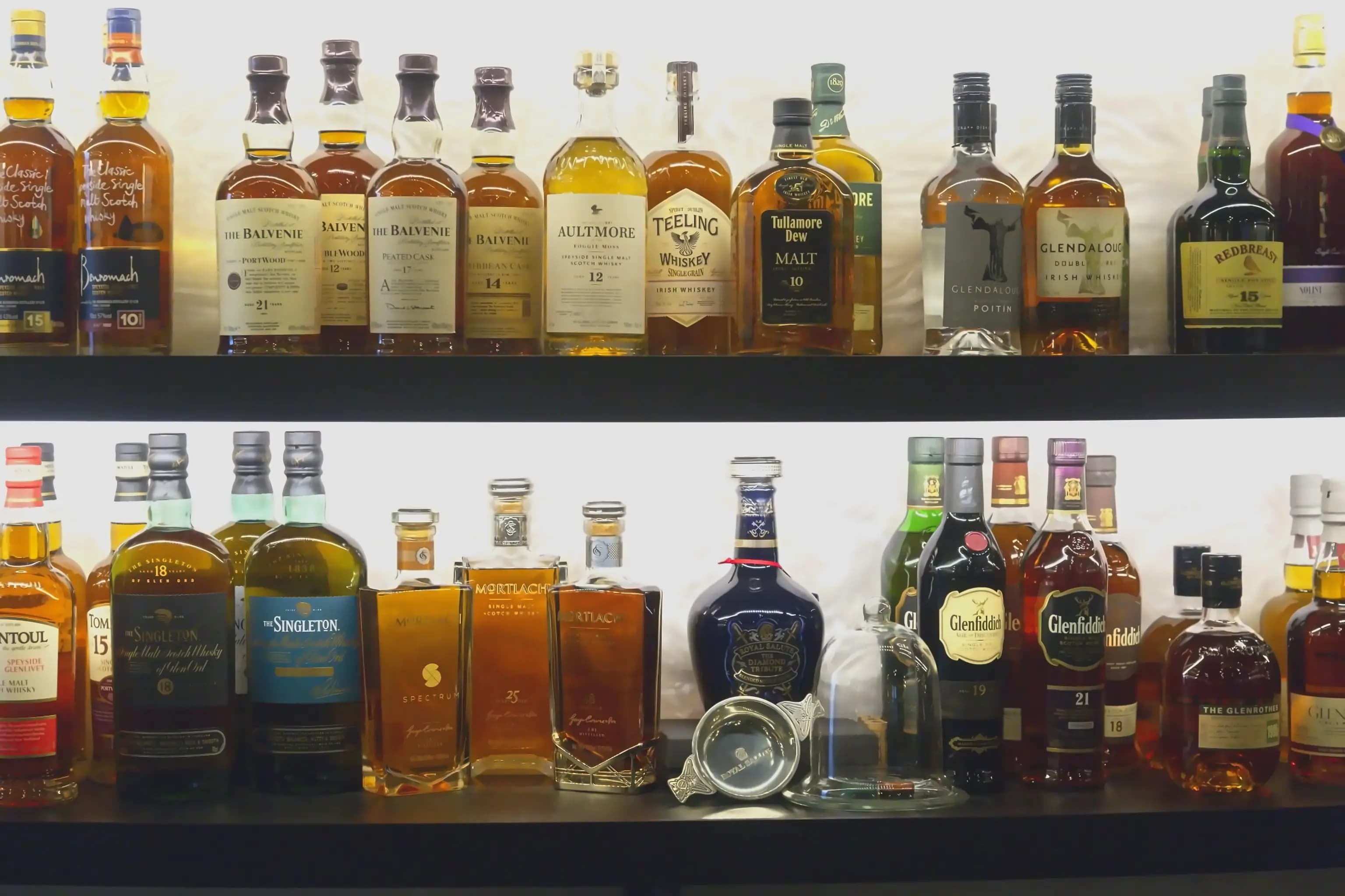
India's government has assured domestic liquor makers it will honour the India-UK trade pact and settle the dispute over Scotch tariffs, signalling a possible resolution to the $65 billion industry concerns that have rattled major players including Pernod and Diageo. According to three people aware of the matter, the government made these commitments during a closed-door meeting with industry representatives on Monday. Commerce Secretary Rajesh Agrawal met industry representatives from the International Spirits & Wines Association of India (ISWAI) and the Confederation of Indian Alcoholic Beverage Companies (CIABC) to discuss the issue. "The ministry's commitment to honour FTA obligations, while safeguarding the interests of domestic alcobev industry, gives the sector the confidence it needs. We look forward to an early resolution that ensures business continuity," said CIABC director-general Anant S Iyer. This development comes after Scotland's leader John Swinney raised concerns over India's treatment of bulk Scotch whisky imports during his October 20-27 visit to the country, marking the first major test for the new UK-India trade deal.
The Directorate of Revenue Intelligence (DRI) has told companies that bulk Scotch concentrates should be declared under a customs classification attracting the higher 150% duty, according to a recent Reuters report. DRI officials have searched multiple locations linked to these companies in October as part of the investigation. The dispute centres on how bulk Scotch whisky imported into India should be classified for customs purposes. Under the FTA, import duty on eligible Scotch whisky fell from 150% to 75%, with a gradual reduction to 40% over 10 years. The Harmonized System of Nomenclature (HSN) code determines how an imported product is classified for customs purposes and, consequently, the duty payable. The industry argues that bulk Scotch, which is imported in large quantities and bottled here, should also qualify for the lower rate because it remains Scotch whisky, irrespective of how it is shipped. However, local tax authorities are exploring whether certain bulk imports should fall under a different HSN classification that attracts the higher duty. The DRI has been questioning the product classification of bulk whisky with the duty concession available to 220830 tariff line provided they are imported in containers bigger than two litres.
Lower import duties have started supporting margins for some companies, with Allied Blenders estimating a 70-basis-point benefit for FY27. United Spirits Ltd, maker of McDowell's, said it had seen a benefit but did not quantify it, while Tilaknagar Industries said it had not received any benefit in the September quarter as it was still holding inventory. Amar Sinha, managing director of Allied Blenders & Distillers Ltd, said the agreement could end up benefiting imported Scotch brands more than Indian liquor manufacturers if bulk imports are excluded from the duty concession. "Nearly 80% of Scotch whisky imported into India arrives in bulk and is bottled locally, while only about 20% comes in finished bottles. Together, bottled-in-India and bottled-in-origin Scotch account for roughly 10 million cases in the country," Sinha explained. United Spirits CFO Pradeep Jain said all the company's consignments had been cleared at concessional rates since 15 July, with the FTA supporting sequential gross-margin expansion in the September quarter.
India is Scotch whisky's largest export market by volume, with the equivalent of more than 220 million bottles exported there in 2025, according to the UK-based Scotch Whisky Association. The country's whisky consumption grew 3.7% to 268.8 million nine-litre cases in 2025, while Scotch grew faster, up 5.3% to 9 million cases. Scotch is expected to grow at a 5.4% CAGR till 2030, against 3.6% for whisky overall, according to data from drinks consultancy IWSR. Under the current arrangement, all foreign companies import whisky from Scotland in large containers, bottle it at Indian facilities as well as mix it to make IMFL or Indian manufactured foreign liquor and sell it in the domestic market. However, lower duties could make it cheaper to import fully bottled Scotch rather than bring in bulk spirit for local bottling, which could hurt domestic bottling operations and undermine the government's Make in India push.