India has achieved a historic milestone in its missile development program with the successful completion of three consecutive flight tests of two world-class next-generation interceptor missiles and the maiden trial of the Naval Anti-Ship Missile-Medium Range (NASM-MR) from the Integrated Test Range off the Odisha coast. According to reports from Business Standard, the twin tests of interceptors (AD-I and AD-II) and the anti-ship missile demonstrated a multi-layered Ballistic Missile Defence (BMD) shield and India's ability to neutralise long-range threats, including intercontinental ballistic missiles, while simultaneously enhancing maritime strike capabilities. The tests were conducted on June 10 and 11, 2026, marking a significant leap in India's strategic defence capabilities.
Defence Minister Rajnath Singh hailed the achievement on social media platform X, stating that these tests have successfully demonstrated multiple crucial technologies bolstering the nation's defence capabilities against different types of enemy threats. As reported by Business Standard, the interceptors successfully engaged their respective targets, with the systems designed and developed using the latest technologies to address emerging missile threats. The Ministry of Defence confirmed that the systems have been designed and developed with the latest technologies to address the emerging missile threats.
According to defence sources cited by Business Standard, the BMD system functions through a sophisticated tracking mechanism where targets are first tracked by radars that continuously monitor their speed, altitude and trajectory before passing commands to launch the interceptors. The interception is executed in two ways – either using 'hit-to-kill' kinetic energy to physically crash into the threat or detonating the target to destroy or disable it before impact. Launched in 1999, a year after Pakistan conducted its nuclear test, India's BMD programme has now launched projects code named AD-AH and AD-AM to counter cruise missiles, hypersonic glide vehicles and missiles that carry multiple independent nuclear warheads. The system's capability to engage Intercontinental Ballistic Missiles (ICBMs) has positioned India among an elite group of nations with this advanced defence technology.
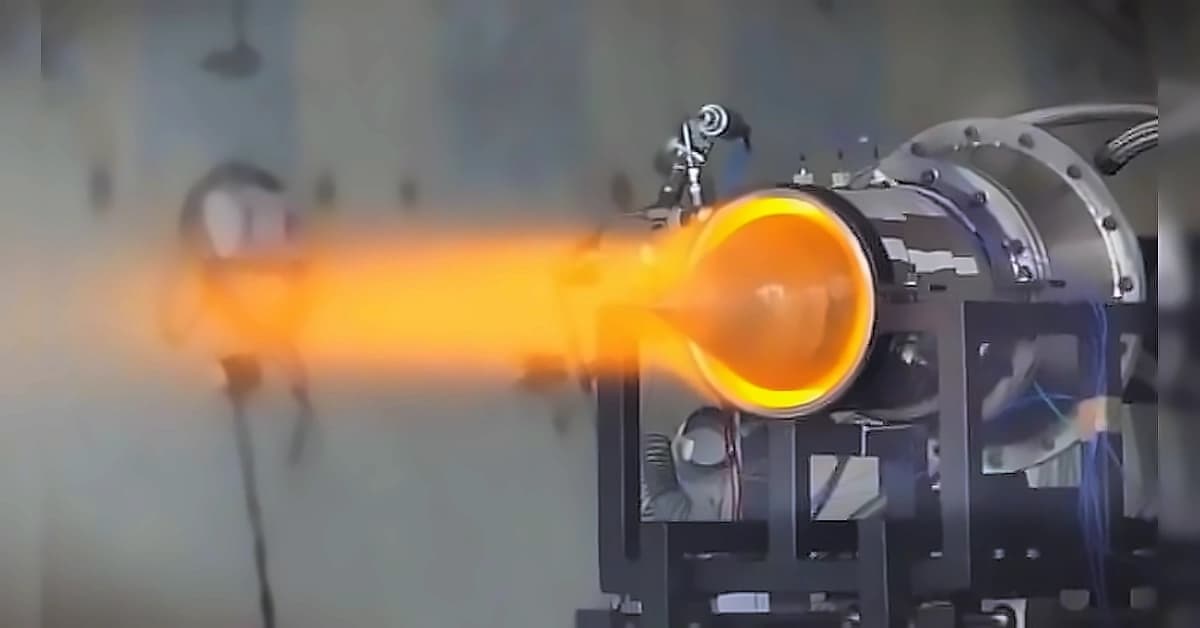
The latest achievement follows another series of strategic successes in May, when India validated three critical technologies – an advanced Agni missile equipped with Multiple Independently Targetable Re-entry Vehicle (MIRV) capability, the Tactical Advanced Range Augmentation (TARRA) glide weapon system, and a scramjet combustor technology that forms the foundation of future hypersonic missile programmes. As reported by Business Standard, while MIRV-equipped Agni missiles enhance India's nuclear deterrent, the BMD system aims to protect strategic assets and the country from hostile missile attacks, with the hypersonic and glide weapon programmes ensuring India remains competitive in next-generation warfare technologies.

The successful maiden trial of the NASM-MR is equally important as strategic competition in the Indo-Pacific intensifies, with China's expanding naval footprint including increased deployments in the Indian Ocean heightening the importance of indigenous anti-ship capabilities and sea-denial weapons for the Indian Navy. According to Business Standard, these six achievements represent one of the most significant periods in India's strategic weapons development, strengthening India's position among a select group of advanced missile powers. The successful demonstration of ICBM defence capability further enhances India's deterrence posture and regional security architecture.