The Insolvency and Bankruptcy Code (Amendment) Act, 2026 introduces automatic disqualification of Resolution Professionals from serving as liquidators for the same entity under any circumstances. As reported by The Times of India, this represents a fundamental shift from the previous system where disqualification was tied only to specific failures under Section 30(2). Srinivasa Rao, Senior Partner at Nangia Global, explains that "the automatic disqualification eliminates any hint of conflict, thereby guaranteeing neutrality and independence." The Insolvency and Bankruptcy Board of India (IBBI) is now mandated to propose a professional within 10 days of appointment, significantly accelerating the liquidation process. Legal experts note this bifurcation will disincentivize RPs from pushing companies into liquidation since they will have no role to play at that stage.
As of December 2025, the IBC has facilitated the resolution of 1,376 companies, enabling creditors to recover ₹4.11 lakh crore. According to The Times of India, financial creditors have seen recovery exceeding 34% of their total claims, which amounts to 171.54% of liquidation value–reflecting not a failure of the framework but the distressed state of enterprises at entry. Banks have recovered a total of ₹1,04,099 crore through various channels, with the IBC channel alone contributing ₹54,528 crore, accounting for 52.3% of total recoveries. The Standing Committee noted that IBC had a significant deterrent effect, with approximately ₹13.94 lakh crore of debt resolved outside the formal process, and companies resolved through IBC saw a 76% average increase in sales post-resolution.
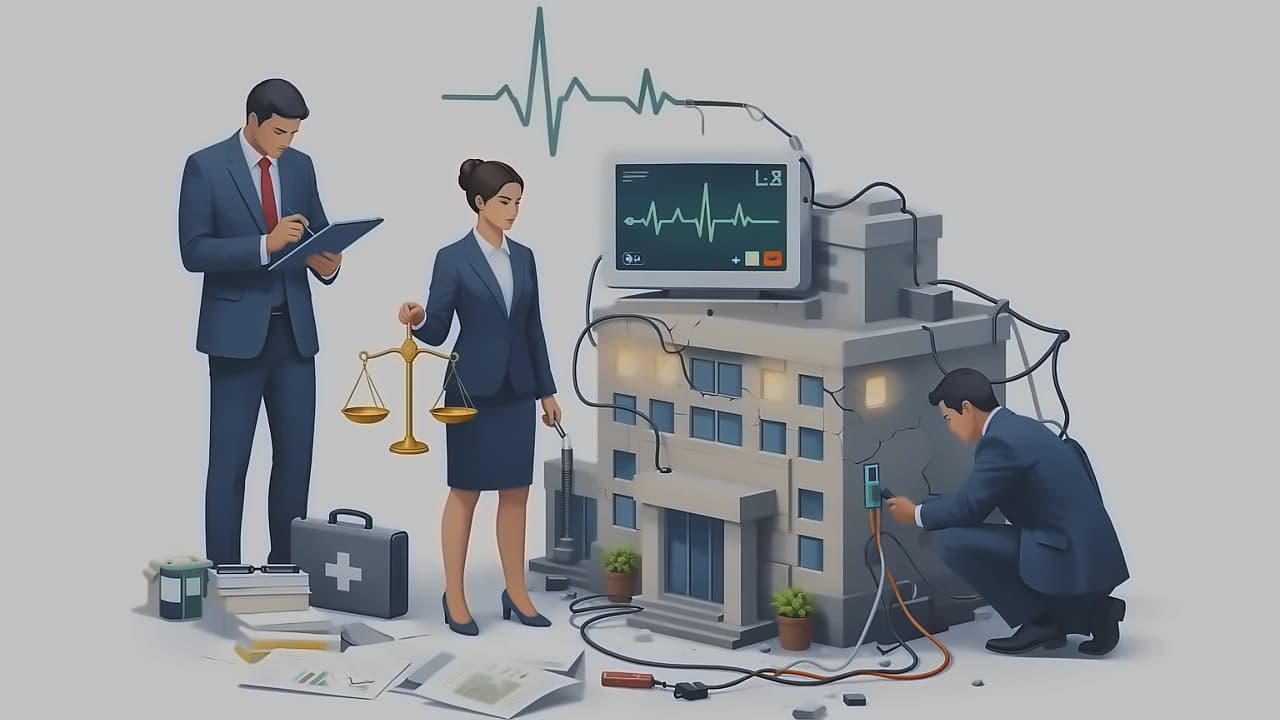
The amendment significantly reshapes the liquidation framework under Chapter III, with key changes including clear separation between resolution professional and liquidator under Section 34(4). As reported by The Times of India, the liquidator must complete the process and apply for dissolution within 180 days, extendable by up to 90 days, with the Adjudicating Authority passing dissolution order within 30 days. The committee of creditors continues during liquidation and is empowered under Section 34A to replace the liquidator with 66% voting share. The amendment also introduces a more flexible pathway for closure, enabling the CoC to resolve to dissolve the corporate debtor subject to prescribed conditions and approval by the Adjudicating Authority.
The amendment introduces civil penalties for Resolution Professional violations, replacing criminal liability with significantly lower punishments. Section 67B covers breaching moratorium terms and violating approved resolution plans with civil penalties up to ₹2 crore. Section 67C addresses operational creditors concealing pre-existing disputes or debt repayment when filing insolvency applications with civil penalties between ₹1 lakh and ₹2 crore decided by the Adjudicating Authority. As reported by Khaitan & Co, Prateek Kumar, Partner, explains that "Sections 67B and 67C are aimed at decriminalising — removal of imprisonment for violation of certain IBC provisions for an errant RP while retaining fines." Criminal liability remains under Sections 74 & 76 from the parent law, but the new civil penalty route provides significantly lower punishment for specific violations, encouraging more professionals to take up RP roles.
On April 6, 2026, the President of India gave assent to the Insolvency and Bankruptcy Code (Amendment) Act, 2026–No. 6 of 2026, marking what practitioners call the most comprehensive rewrite of the code since its founding amendments. According to The Times of India, the Act amends 72 sections and inserts new frameworks including a creditor-initiated insolvency resolution process, statutory group insolvency architecture, enabling provisions for cross-border insolvency and a new voluntary liquidation termination window. Finance Minister Nirmala Sitharaman described the IBC as a law that responds to the growing needs of the economy and addresses the stress companies face, noting that recovery values are incidentally a by-product rather than the primary intention.