The Insolvency and Bankruptcy Code (IBC) Amendment Act of 2026 has explicitly codified the clean-slate principle, ensuring new investors receive a truly fresh start in distressed asset investments. According to reports from Mint, the amendment states that claims against a company under any other law that are not recognized and provided for in the approved resolution plan will be extinguished. No proceedings can be instituted against a company or its assets for such claims after the corporate rescue plan is cleared, providing the certainty needed to attract investments in distressed assets.
The latest regulatory framework introduces comprehensive relief from historical financial liabilities for real estate insolvency cases. Approved resolution plans now feature a waiver of penal interest and regulatory fines that accrued before the admission of the insolvency case. This policy ensures that incoming entities can focus capital on physical construction rather than clearing legacy bureaucratic hurdles. Municipalities are expected to facilitate this by granting mandatory approvals like occupancy certificates without citing pre-insolvency arrears, particularly relevant for high-demand areas like Andheri East residential market where land value remains high.
The Insolvency and Bankruptcy Board of India (IBBI) has formalized a project-wise resolution approach to address the long-standing crisis of stalled housing projects in India. By treating each site as a standalone entity, authorities aim to prevent wider operational contagion across a builder's portfolio. Upon commencement of insolvency proceedings, the resolution professional must immediately appoint an independent technical agency to verify site conditions and track physical progress tower-by-tower. This operational audit ensures transparency for prospective resolution applicants and provides a clear roadmap for project completion.
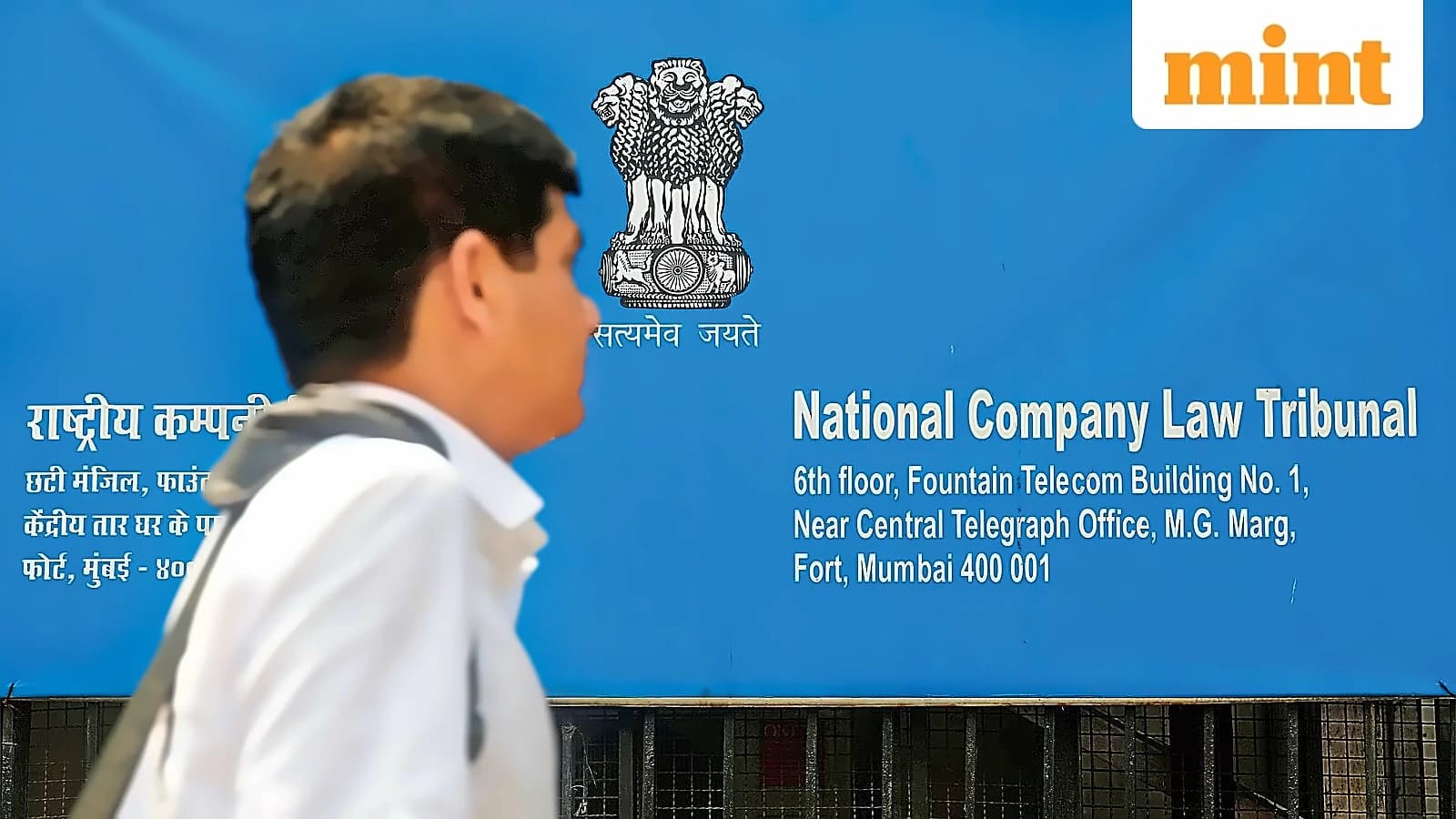
The clean-slate principle became effective on 28 May 2016, making all cases currently pending in the National Company Law Tribunal (NCLT), high courts and Supreme Court related to claims that were not raised during the debt resolution and explicitly included in the resolution plan void. As reported by Mint, the Parliamentary select committee recommended that the amendment should explicitly state the clarification applies from the "date of commencement of the Principal Act" except where judicial pronouncements have said otherwise, which the government incorporated in the final legislation.
The amended IBC introduces several measures to protect new investors beyond the clean-slate principle. As reported by Mint, tribunals cannot outrightly reject defective resolution plans - creditors must be given an opportunity to rectify them first. Tribunals also have to record reasons for delays beyond 30 days in deciding on resolution plans. Additionally, clearance from the Competition Commission of India can be obtained before filing the resolution plan with the tribunals, not before creditors approve it, enhancing the efficiency of debt resolution processes. The framework also mandates that project-specific escrow accounts cannot be frozen by regulatory bodies during the corporate insolvency resolution process, ensuring incoming funds directly support ongoing construction activities.