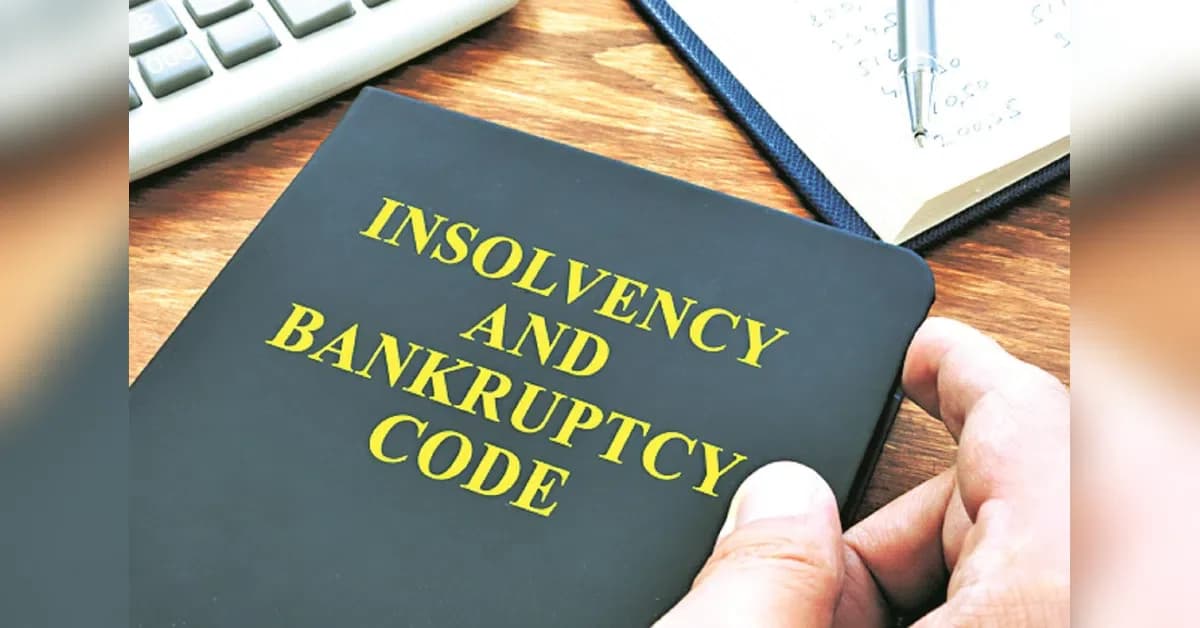
The Insolvency and Bankruptcy Code, which completes 10 years, has fundamentally reshaped India's financial system by restoring credit discipline, reviving distressed businesses, and improving bank balance sheets, according to Business Standard reports. As reported by M S Sahoo and Raghav Pandey, the code has helped companies exit failed ventures while creditors recover significant value. However, liquidation figures and creditor haircuts are often misread because many firms were already beyond rescue before entering insolvency. The threat of insolvency proceedings has strengthened repayment discipline across the system, though persistent judicial delays continue to limit the code's full potential. Former RBI deputy governor N.S. Vishwanathan confirmed that IBC had overtaken traditional recovery channels, including Debt Recovery Tribunals, to become the single largest source of bad loan recoveries for banks. The framework changed borrower behaviour by creating the risk of losing ownership and control of companies after default.

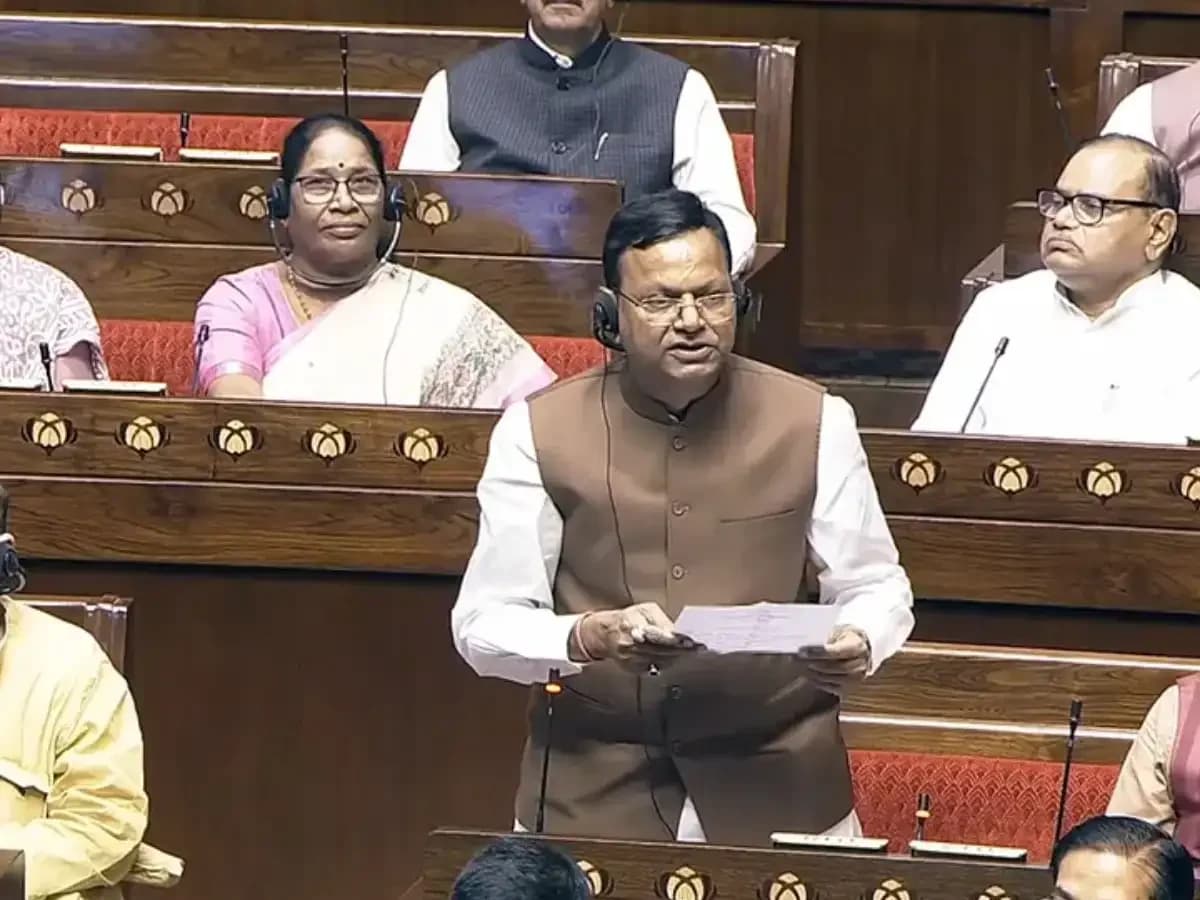
Gross non-performing assets (GNPAs) of Scheduled Commercial Banks have fallen dramatically from over 11.5% in FY18 to about 2.0–2.3% in FY26, with net NPAs dropping to near 0.5%, among the lowest in decades. Public sector banks now have gross NPA ratios that declined from around 10–12% in 2016 to a 2.5% by September 2025. The improvement came through sustained balance-sheet cleaning through IBC-led resolutions, government bank recapitalization, tighter stress recognition norms, and robust credit discipline. IBC accounted for 52.3% of all bank recoveries in FY25, with cumulative recoveries crossing ₹4.11 trillion through December 2025. Scheduled Commercial Banks recovered ₹54,528 crore through insolvency proceedings out of total recoveries of ₹1.04 trillion, according to data presented by finance minister Nirmala Sitharaman in the Lok Sabha. Financial creditors realized an average of 31-36% of admitted claims—more than double the 15–20% recovery under pre-IBC mechanisms. Resolutions delivered recoveries worth about 171% of liquidation value on average, due to the Code's emphasis on keeping businesses alive and preserving value.
The Supreme Court recently noted that nearly 400 resolution plans are pending approval, with some delays extending to four years, highlighting significant institutional bottlenecks that prevent the IBC from realizing its full potential, as reported by Business Standard. These delays represent a critical challenge as the code enters its second decade of operation. The World Bank's Ease of Doing Business indicators captured this shift, with India's ranking in resolving insolvency improving from 136 to 52 within three years of the IBC. However, unless these bottlenecks are addressed, the efficiency gains that distinguish the IBC from its predecessor may be eroded. The credible threat of losing one's empire has fundamentally altered promoter behaviour, with tens of thousands of debtors resolving after insolvency applications are filed, and many more resolving even before applications are filed. This behavioural discipline was entirely absent under the SICA regime, creating a stark contrast between pre-IBC and post-IBC regimes.
A recent study examining 1.2 million ward members across 150,000 gram panchayats across 13 states found that merely increasing the number of elected representatives does not automatically improve governance outcomes, as reported by Business Standard. The study by Veda Narasimhan of New York University Abu Dhabi and Jeffrey Weave of the University of Southern California revealed that ward members lacked the authority, training, fiscal control, and administrative support needed to influence outcomes meaningfully. India's decentralisation project remains incomplete because political representation has outpaced institutional capacity, with panchayats still lacking financial autonomy and skilled staff despite larger fiscal transfers recommended by the Sixteenth Finance Commission.
Rama Bijapurkar argues that companies should understand the nuanced 'value logic' consumers use to manage spending rather than relying on simplistic theories about premiumisation, down-trading, or macro consumption trends, according to Business Standard reports. Indian households continuously rebalance priorities across essentials, aspirations, indulgences, and deferred purchases, often mixing premium and budget choices within and across categories. Economic pressure does not produce uniform purchasing shifts because consumers define 'paisa vasool' differently, with businesses focused on investor expectations risking opportunities shaped by highly adaptive and personalised consumer decision-making.