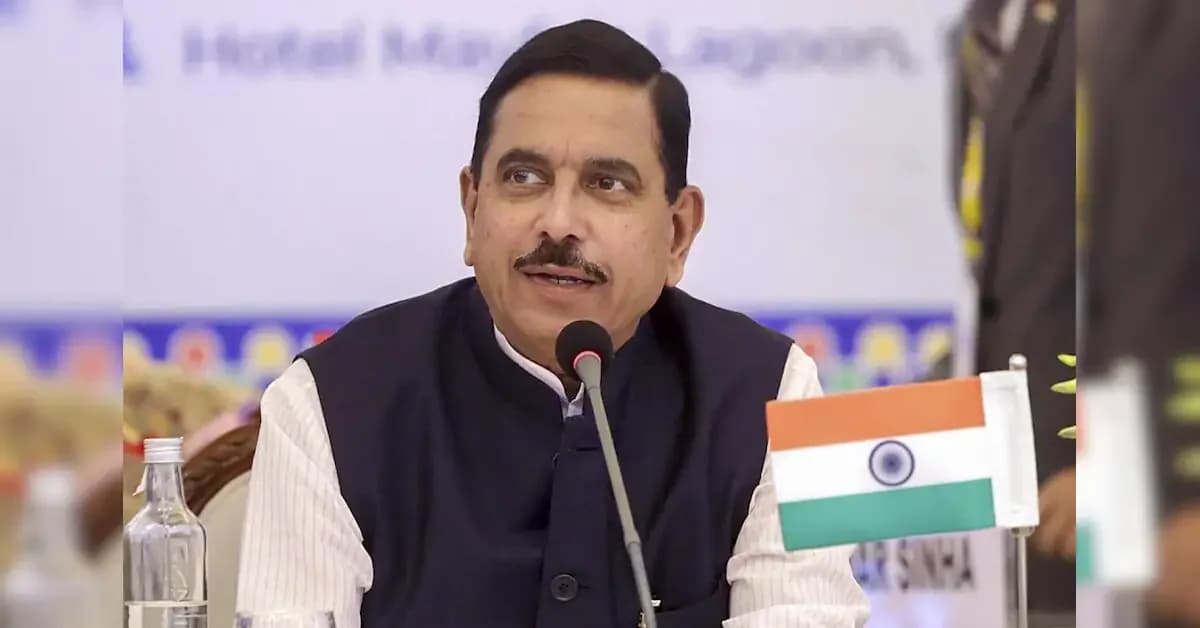
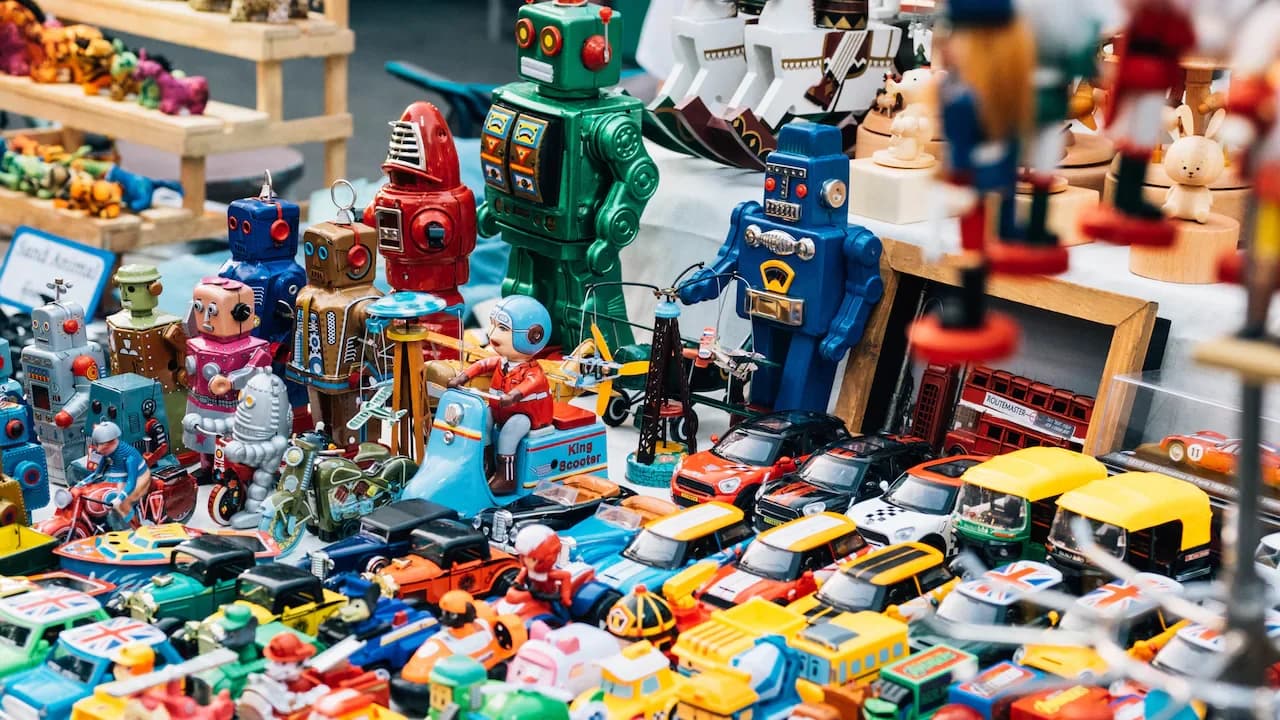
The government has successfully established 38,000+ GPU testing facilities across major toy manufacturing clusters to help domestic producers meet international quality benchmarks and expand their presence in overseas markets. According to Union Commerce and Industry Minister Piyush Goyal, the new infrastructure will be developed through the Bureau of Indian Standards (BIS), the National Test House and other government and semi-government laboratories. Speaking at the 17th Toy Biz International B2B Exhibition 2026 in New Delhi, Goyal urged the industry to identify the testing equipment needed so that Indian-made toys can achieve the highest quality certifications for both domestic and export markets.
Toy exports have surged by 239 per cent over the past four years, while imports have fallen by 32 per cent, reflecting the success of the Make in India initiative and the National Toy Action Plan. As reported by Livemint, domestically manufactured toys once accounted for only around 12 per cent of India's toy market, but imports have now declined to about ₹2,500-3,000 crore in a market valued at nearly ₹18,000 crore, with Indian manufacturers supplying the bulk of domestic demand. The sector has established more than 50 toy manufacturing clusters across the country, with nearly 21,000 MSMEs operating in the toy manufacturing sector.
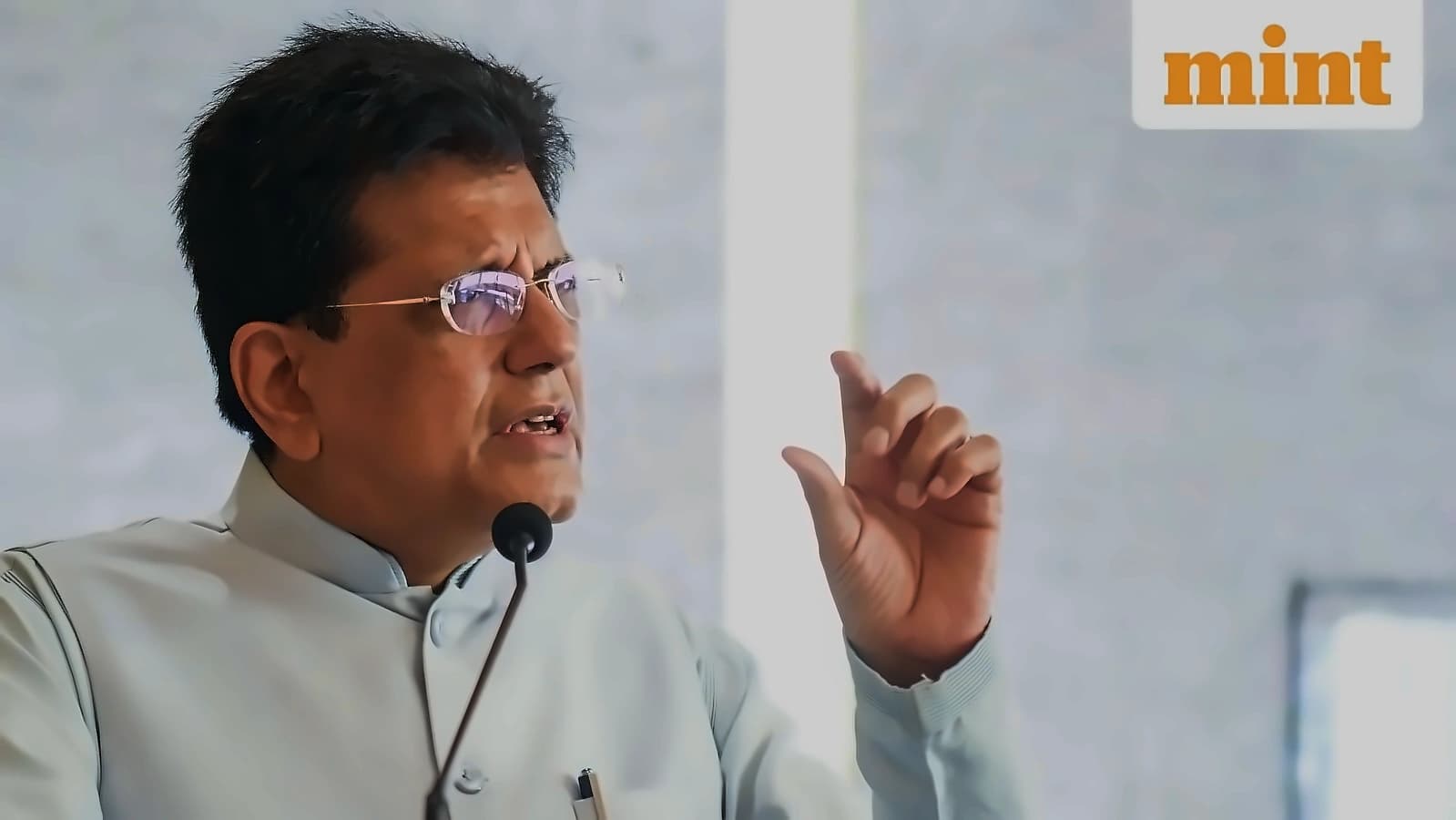
Goyal encouraged the industry to take advantage of India's growing network of Free Trade Agreements (FTAs) to access developed markets and build globally recognised Indian toy brands. According to the minister, duty-free access to European markets and the India-UK Free Trade Agreement, scheduled to come into force on July 15, would open significant opportunities for exporters. He called on manufacturers to embrace modern production technologies such as Computer-Aided Design and Computer-Aided Manufacturing (CAD-CAM) systems and CNC machining, which will enhance product quality, improve precision and increase production efficiency.
To accelerate overseas expansion, the minister assured industry players of support under the Export Promotion Mission. Goyal encouraged companies to participate in global trade fairs, establish warehousing facilities in key export destinations and strengthen engagement with international brands, retailers and e-commerce platforms. Stressing long-term sustainability, Goyal urged greater investment in domestic production of motors, electronics, dies and moulds used in toy manufacturing, stating that building a self-reliant supply chain would enhance competitiveness while lowering production costs.
Looking ahead, Goyal called on manufacturers to target tenfold expansion through stronger branding, better quality, continuous innovation and increased exports. According to the minister, the government's strategy aims to secure a larger share of the USD 120-billion global toy industry. He emphasized that the comprehensive list of testing equipment requirements prepared by manufacturers would help create an ecosystem capable of supporting world-class quality assessment and certification, positioning Indian toy manufacturers for sustained international competitiveness.