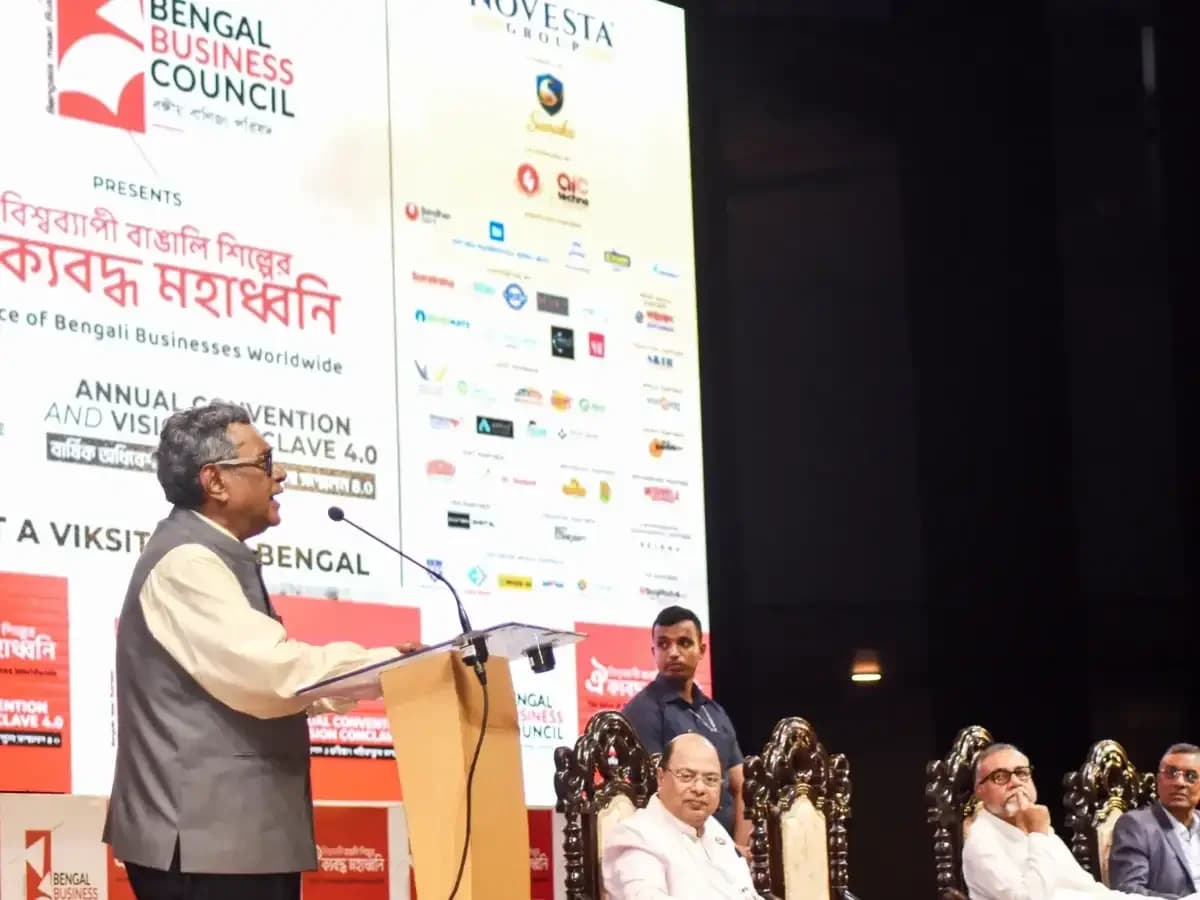
The Union government is preparing to launch a comprehensive capital subsidy scheme for the textiles sector's technological upgradation across the value chain. According to reports from Business Standard, Union Minister of Textiles Giriraj Singh announced that these schemes will be approved by the Cabinet within a month or two. The proposed scheme could offer subsidies of up to 25 per cent of upgrade costs in some cases, as confirmed by Textile Commissioner Vrunda Manohar Desai. Singh added that these interventions would mitigate most concerns raised by stakeholders. Speaking at the Textile Conclave on Thursday, Singh emphasized that these schemes are being developed to support technological advancement in the textile sector amid global market uncertainties.
A separate scheme is being developed to support infrastructure development in 67 legacy textile clusters that have suffered from lack of proper planning. As reported by Business Standard, Textile Commissioner Vrunda Manohar Desai mentioned that these clusters lack essential facilities such as workers' hostels and accommodations. The upcoming scheme will provide capital support for hospitals, skilling centres, and common facilities for testing in these legacy textile clusters. Additionally, the new capital subsidy scheme is likely to provide additional subsidies on purchases made from Indian textile machinery manufacturers. Desai confirmed that these 67 legacy clusters have been identified and forwarded to the Department for Promotion of Industry and Internal Trade for comprehensive development planning.
India's textile exports showed mixed performance during April-August 2026, with overall textile exports rising 6.94 per cent in dollar terms but apparel exports falling 9.1 per cent, resulting in cumulative textile and apparel exports being marginally lower by 0.24 per cent during the period. According to Singh's statement, India exports textiles to around 132 countries with contributions from 548 districts. The ministry has identified 40 countries for product and market diversification amid global market uncertainties and tariff threats from major buyers, including the single largest buyer, America. Singh highlighted that the ministry has submitted proposals to address these challenges through enhanced global access strategies.
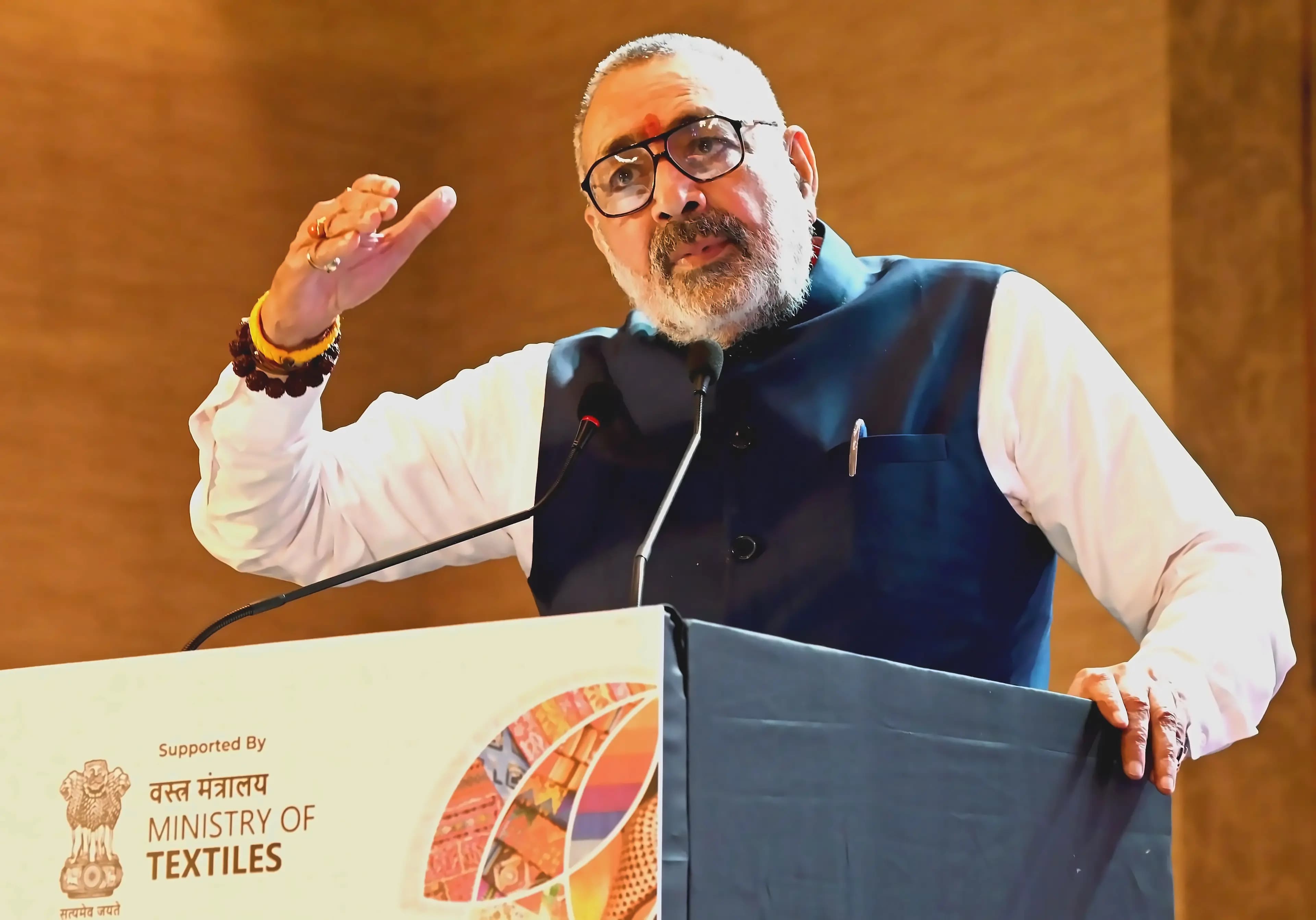
Singh highlighted significant challenges in textile sector lending, stating that lending in the textile sector is very low compared to other sectors and this attitude acts as a barrier to development. As reported by Business Standard, the minister submitted to the Department of Financial Services that the textiles sector is not receiving adequate elevation due to banks' indifference. Singh noted that lending to the sector has improved after the finance ministry's intervention, addressing the sector's financing constraints. The minister's statements were made during the Textile Conclave on Thursday while addressing micro, small and medium enterprise stakeholders.