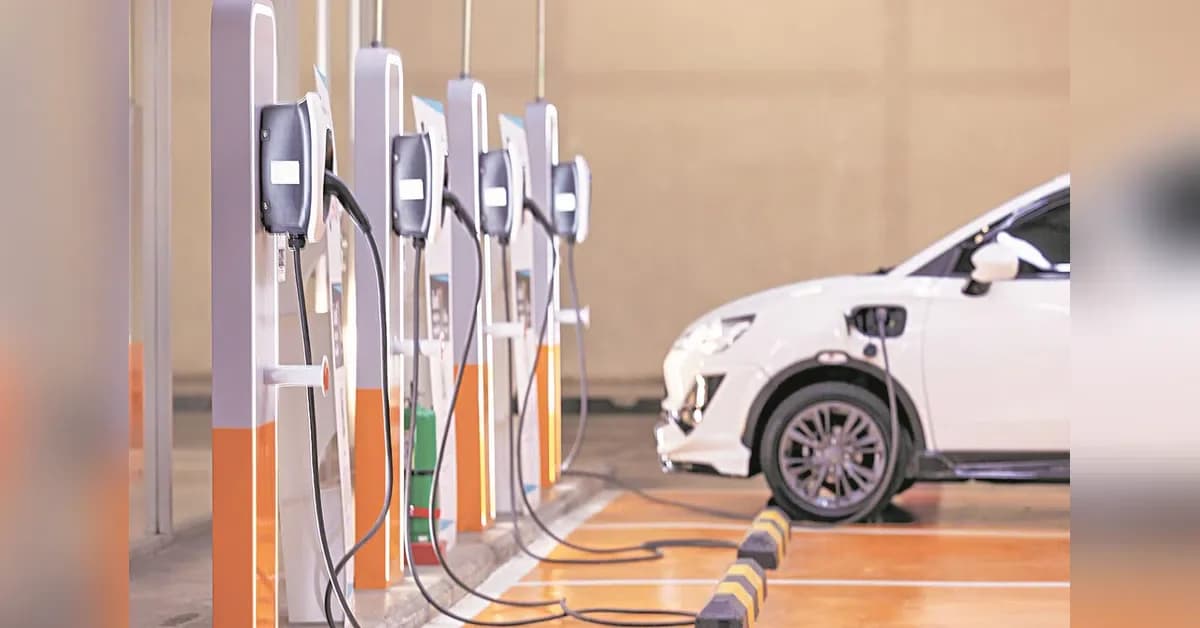
The Ministry of Finance has made electric vehicles (EVs) the default choice for staff cars purchased by central government ministries and departments, while doubling the maximum purchase price ceiling for electric cars to ₹20 lakh. According to a memorandum issued by the Department of Expenditure under the Ministry of Finance, government departments will ordinarily be required to procure EVs when replacing or condemning their existing internal combustion engine (ICE) staff cars. Electric vehicles will now be the preferred option for procurement, while the purchase of petrol, diesel and hybrid vehicles will require special approval. The revised guidelines, which came into immediate effect on November 10, 2026, aim to accelerate electric mobility across government offices and reduce dependence on fossil fuels.
The Finance Ministry's Expenditure Department has issued revised guidelines on November 10, 2026, establishing ₹1.8 lakh as the price ceiling for laptops, tablets, and similar devices for eligible central government officers. According to the latest office memorandum, central government employees of Sections Officer rank and above will be eligible for these devices, with the cost ceiling set at ₹1.50 lakh plus taxes for standard devices. However, for devices with Make-in-India (MII) component of more than 40 per cent, the price ceiling has been set at ₹1.80 lakh plus taxes. The new guidelines replace the July 2023 instructions and significantly increase the previous ceilings of ₹1 lakh and ₹1.3 lakh respectively for such devices. Both price ceilings are inclusive of essential standard software such as operating systems, antiviruses, and MS-Office.
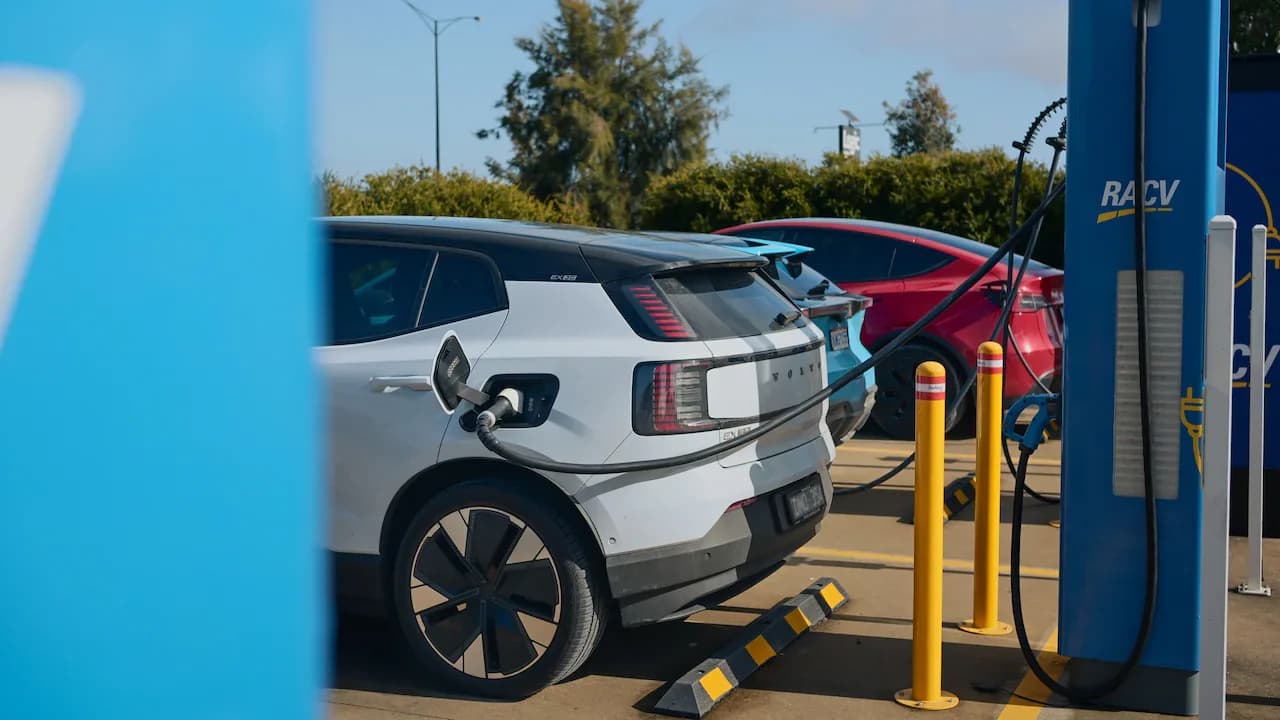
Industry sources indicate that the policy move is unlikely to provide a substantial immediate boost to automobile sales, given the relatively modest volumes involved in government EV procurement. According to industry estimates, annual EV purchases by the Centre, states and public sector undertakings together are around 5,000 units, while the overall figure cited by sources is around 30,000 vehicles. An automobile industry analyst noted that the policy would primarily shift government purchases from conventional vehicles to electric models rather than generate additional demand for passenger vehicles. The immediate benefit would therefore be concentrated among EV manufacturers, including Tata Motors and Mahindra & Mahindra, although the impact on their overall sales volumes is likely to remain limited.
The new policy does not impose a complete ban on conventional vehicles, but ministries and departments seeking to purchase petrol, diesel or hybrid cars must demonstrate why an EV is not practical for their requirements. Such proposals must be supported by proper justification explaining why an EV cannot be procured or deployed, approved by the Secretary of the concerned administrative ministry or department, and cleared by the Financial Adviser of the ministry or department. The proposals will then be referred to the Department of Expenditure for relaxation on a case-by-case basis. A similar approval process will apply when departments consider hiring conventional vehicles instead of electric ones.
The finance ministry has clarified that existing September 1, 2022, instructions mandating the hiring of electric vehicles by government ministries and departments will continue to apply. The latest memorandum also states that other rules governing staff car entitlements, procurement and hiring remain unchanged. Vehicle purchases will continue to be governed by the General Financial Rules (GFR), 2017, and subsequent amendments. The revised instructions came into force with immediate effect from November 10, 2026, following approval from the Secretary of the Department of Expenditure.
Under the new device guidelines, all government officers in Pay Level 12 and above (as per the 7th Central Pay Commission) in a ministry will be eligible for laptops and tablets. For departments with officers in Pay Levels 8 to 11, only 50 per cent of officers will be eligible initially. However, the Secretary of the concerned ministry/department (in consultation with the Financial Advisor) may extend this eligibility to 75 per cent of the sanctioned strength based on their functional requirements. The devices will remain government property for four years from the date of purchase, after which officers can retain them personally, provided they are personally responsible for data/information safety and security. New devices cannot be requisitioned within the four-year cycle unless a device is declared 'Beyond Economical Repair' (BER)—defined as repair costs exceeding 50 per cent of the current book value.